


Neuropsychiatric Genetics of African Populations-Psychosis (NeuroGAP-Psychosis): a case-control study protocol and GWAS in Ethiopia, Kenya, South Africa and Uganda
- PMID: 30782936
- PMCID: PMC6377543
- DOI: 10.1136/bmjopen-2018-025469
Neuropsychiatric Genetics of African Populations-Psychosis (NeuroGAP-Psychosis): a case-control study protocol and GWAS in Ethiopia, Kenya, South Africa and Uganda
Abstract
Introduction: Schizophrenia and bipolar disorder account for a large proportion of the global burden of disease. Despite their enormous impact, little is known about their pathophysiology. Given the high heritability of schizophrenia and bipolar disorder, unbiased genetic studies offer the opportunity to gain insight into their neurobiology. However, advances in understanding the genetic architecture of schizophrenia and bipolar disorder have been based almost exclusively on subjects of Northern European ancestry. The Neuropsychiatric Genetics of African Populations-Psychosis (NeuroGAP-Psychosis) project aims to expand our understanding of the causes of schizophrenia and bipolar disorder through large-scale sample collection and analyses in understudied African populations.
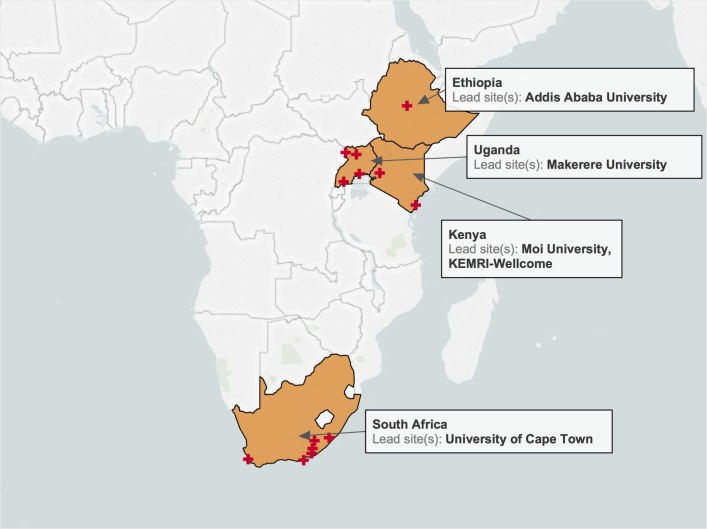
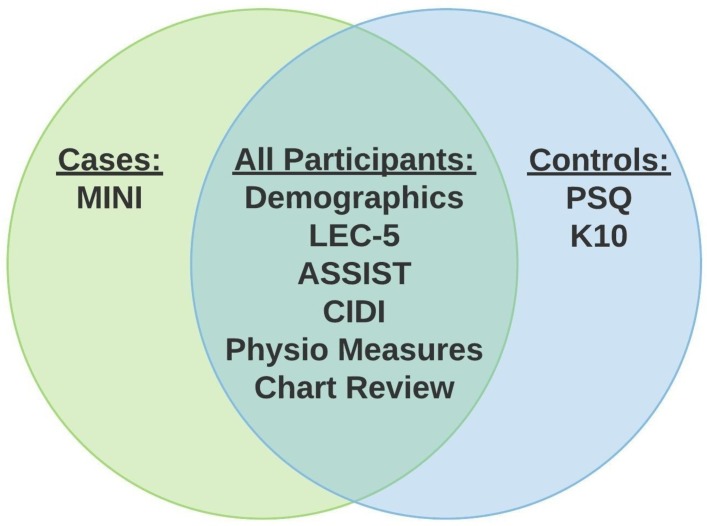
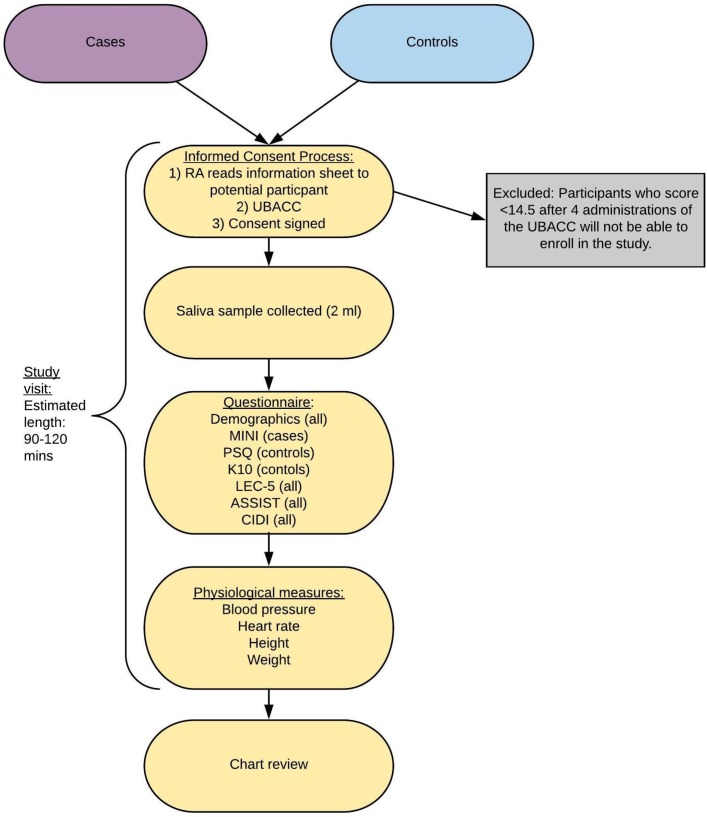
Methods and analysis: NeuroGAP-Psychosis is a case-control study of 34 000 participants recruited across multiple sites within Ethiopia, Kenya, South Africa and Uganda. Participants will include individuals who are at least 18 years old with a clinical diagnosis of schizophrenia or bipolar disorder ('psychosis') or those with no history of psychosis. Research assistants will collect phenotype data and saliva for DNA extraction. Data on mental disorders, history of physical health problems, substance use and history of past traumatic events will be collected from all participants.DNA extraction will take place in-country, with genotyping performed at the Broad Institute. The primary analyses will include identifying major groups of participants with similar ancestry using the computation-efficient programme single nucleotide polymorphisms (SNP) weights. This will be followed by a GWAS within and across ancestry groups.
Ethics and dissemination: All participants will be assessed for capacity to consent using the University of California, San Diego Brief Assessment of Capacity to Consent. Those demonstrating capacity to consent will be required to provide informed consent. Ethical clearances to conduct this study have been obtained from all participating sites. Findings from this study will be disseminated in publications and shared with controlled access public databases, such as the database of Genotypes and Phenotypes, dbGaP.
Keywords: Africa; genetics; mental Health.
© Author(s) (or their employer(s)) 2019. Re-use permitted under CC BY-NC. No commercial re-use. See rights and permissions. Published by BMJ.
Conflict of interest statement
Competing interests: DS has received research grants and/or consultancy honoraria from Biocodex, Lundbeck, Servier and Sun.
Figures
References
-
- Whiteford HA, Ferrari AJ, Degenhardt L, et al. Global Burden of Mental, Neurological, and Substance Use Disorders: An Analysis from the Global Burden of Disease Study 2010 : Patel V, Chisholm D, Dua T, Mental, neurological, and substance use disorders: disease control priorities. 3rd edn Washington (DC): The International Bank for Reconstruction and Development / The World Bank (c) 2016 International Bank for Reconstruction and Development / The World Bank, 2016. - PubMed
Publication types
MeSH terms
Grants and funding
LinkOut - more resources
Full Text Sources
Medical
Miscellaneous
