


Functional analysis finds differences on the muscle transcriptome of pigs fed an n-3 PUFA-enriched diet with or without antioxidant supplementations
- PMID: 30785965
- PMCID: PMC6382273
- DOI: 10.1371/journal.pone.0212449
Functional analysis finds differences on the muscle transcriptome of pigs fed an n-3 PUFA-enriched diet with or without antioxidant supplementations
Abstract
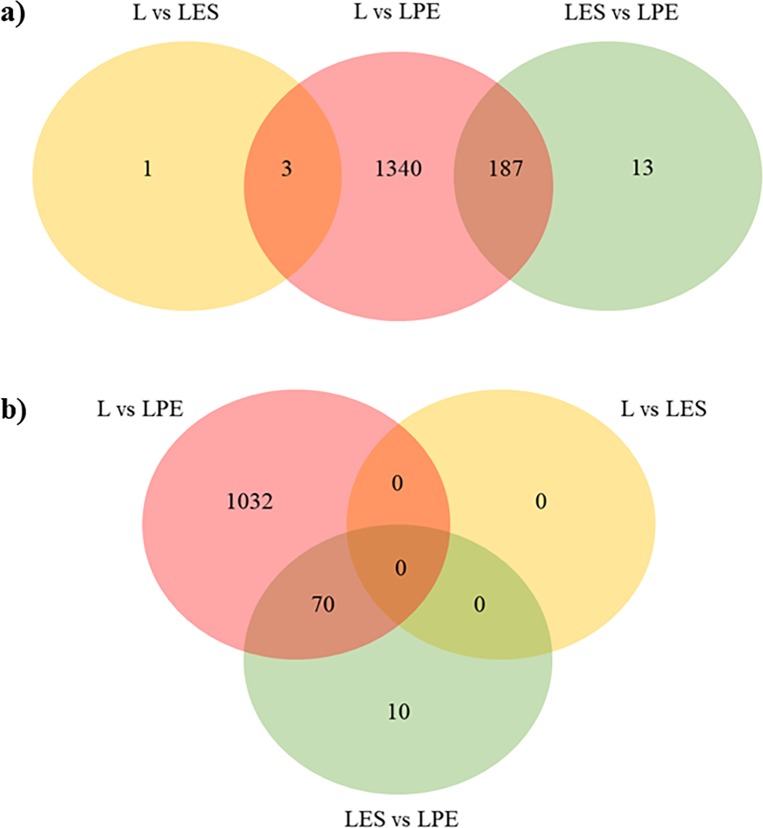
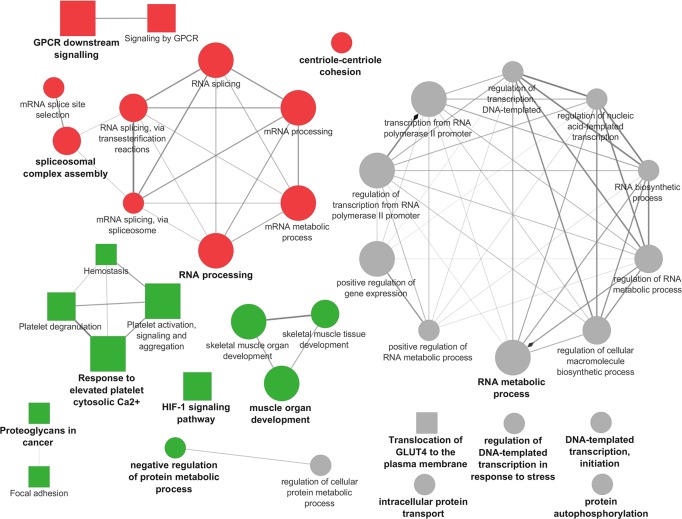
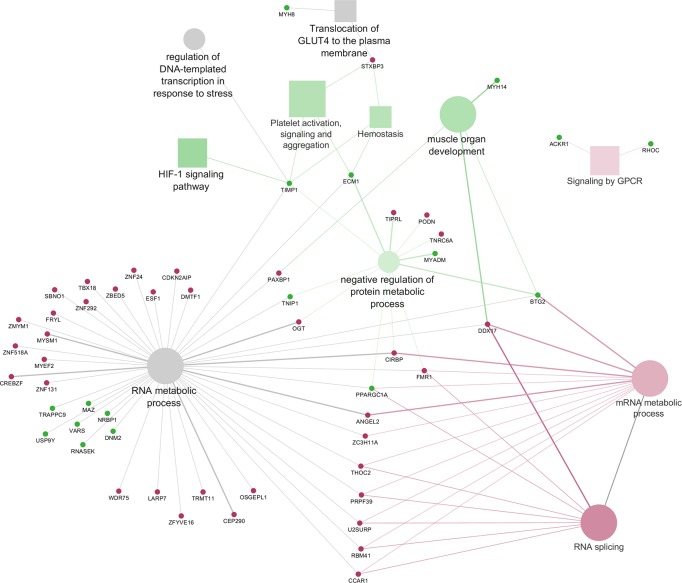
Supplementing pig diets with n-3 polyunsaturated fatty acids (n-3 PUFA) may produce meat products with an increased n-3 fatty acid content, and the combined antioxidants addition could prevent lipid oxidation in the feed. However, to date, the effects of these bioactive compounds at the molecular level in porcine skeletal muscle are mostly unknown. This study aimed to analyse changes in the Longissimus thoracis transcriptome of 35 pigs fed three diets supplemented with: linseed (L); linseed, vitamin E and Selenium (LES) or linseed and plant-derived polyphenols (LPE). Pigs were reared from 80.8 ± 5.6 kg to 151.8 ± 9.9 kg. After slaughter, RNA-Seq was performed and 1182 differentially expressed genes (DEGs) were submitted to functional analysis. The L vs LES comparison did not show differences, while L vs LPE showed 1102 DEGs and LES vs LPE 80 DEGs. LPE compared to the other groups showed the highest number of up-regulated genes involved in preserving muscle metabolism and structure. Results enlighten that the combined supplementation of bioactive lipids (n-3 PUFA from linseed) with plant extracts as a source of polyphenols increases, compared to the only addition of linseed, the expression of genes involved in mRNA metabolic processes and transcriptional regulation, glucose uptake and, finally, in supporting muscle development and physiology. These results improve the knowledge of the biological effect of bioactive compounds in Longissimus thoracis muscle, and sustain the growing interest over their use in pig production.
Conflict of interest statement
In order to disclose any potential competing interest, I declare that I am part of the Editorial Board of PLOS ONE journal. The other authors declare that they have no competing interests. This does not alter our adherence to PLOS ONE policies on sharing data and materials.
Figures
References
-
- WHO 2003. Diet, Nutrition and the Prevention of Report of a Joint WHO / FAO Expert Consultation; 2003; 1–149.
-
- Lahučký R., Bahelka I., Novotná K.& Vašíčková K. Effects of dietary vitamin E and vitamin C supplementation on the level of α-tocopherol and L-ascorbic acid in muscle and on the antioxidative status and meat quality of pigs. Czech J Anim Sci. 2005;50: 175–184.
-
- Niculita P, Popa ME, Ghidurus M, Turtoi M. Effect of vitamin e in swine diet on animal growth performance and meat quality parameters. Polish J Food Nutr Sci. 2007;57: 125–130.
-
- Kawęcka M, Jacyno E, Matysiak B, Kołodziej-Skalska A, Pietruszka A. Effects of selenium and vitamin E supplementation on selenium distribution and meat quality of pigs. Acta Agric Scand 2013;63: 194–200.
Publication types
MeSH terms
Substances
LinkOut - more resources
Full Text Sources
Medical
