


CXCL5 induces tumor angiogenesis via enhancing the expression of FOXD1 mediated by the AKT/NF-κB pathway in colorectal cancer
- PMID: 30792394
- PMCID: PMC6385313
- DOI: 10.1038/s41419-019-1431-6
CXCL5 induces tumor angiogenesis via enhancing the expression of FOXD1 mediated by the AKT/NF-κB pathway in colorectal cancer
Abstract
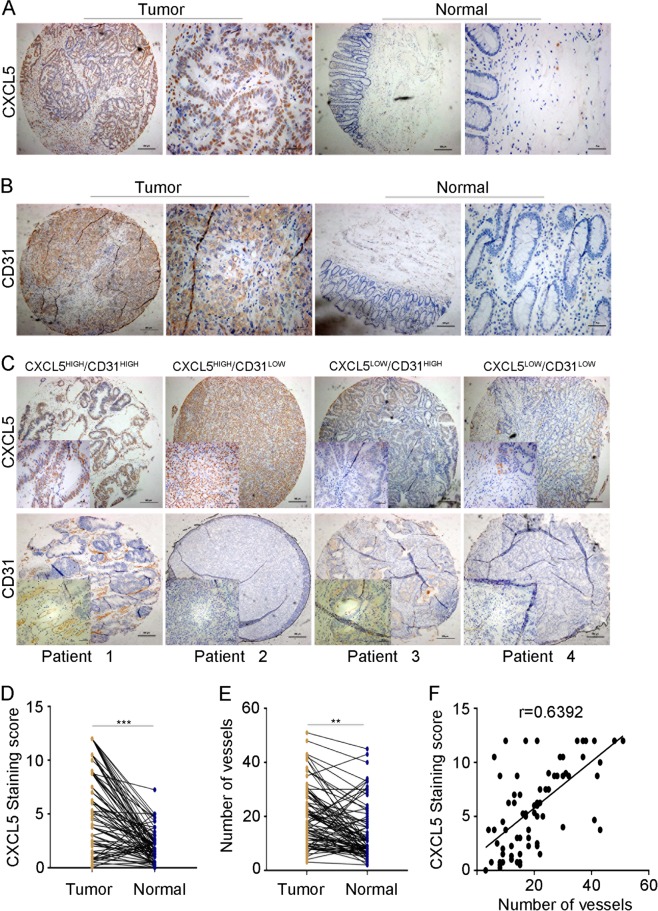
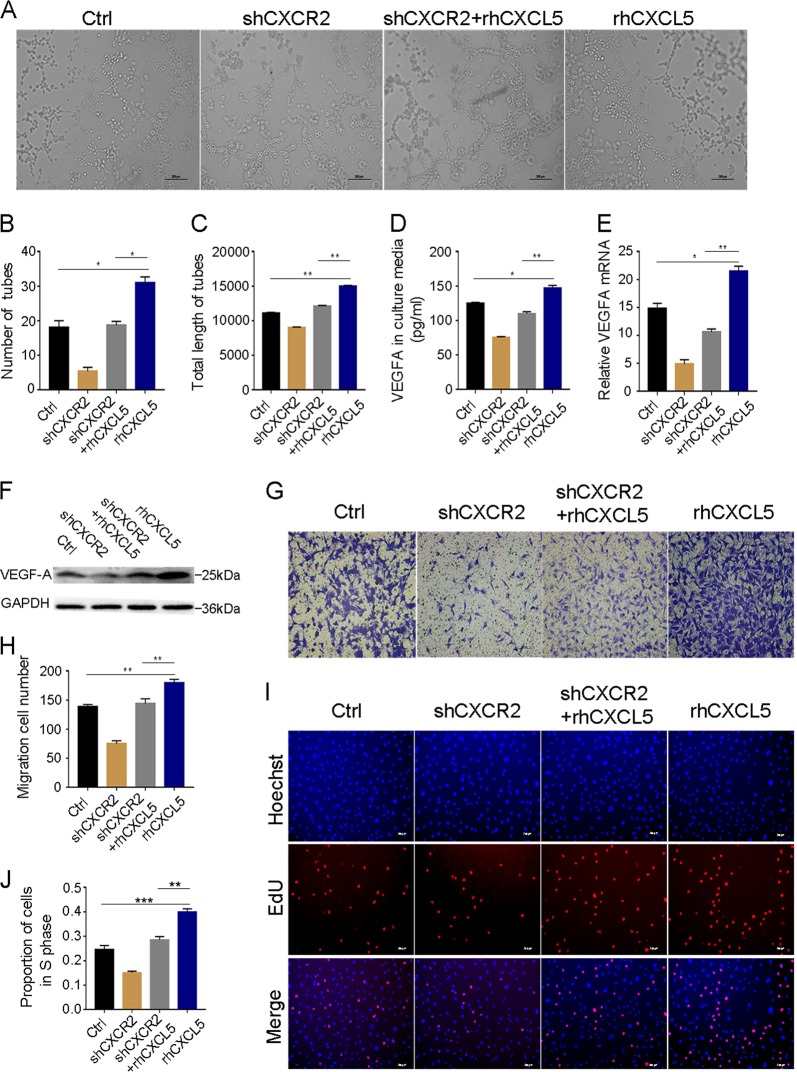
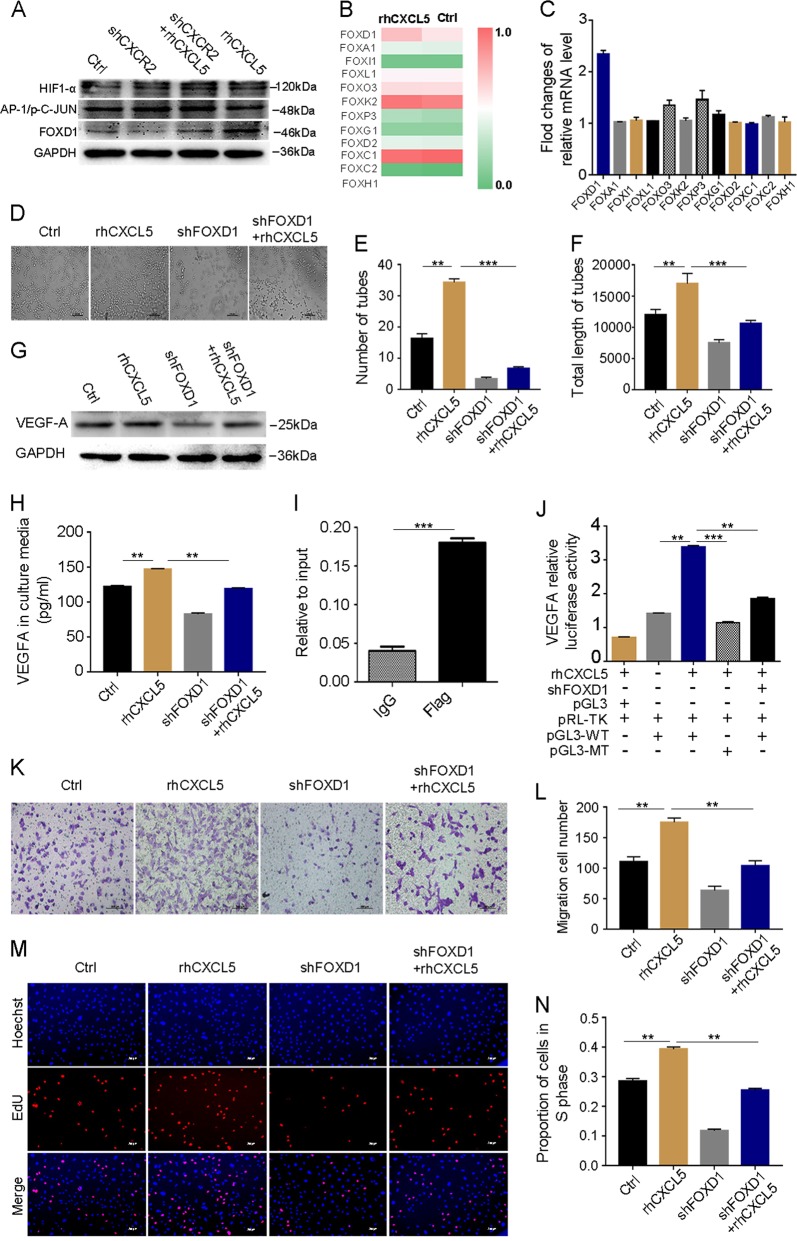
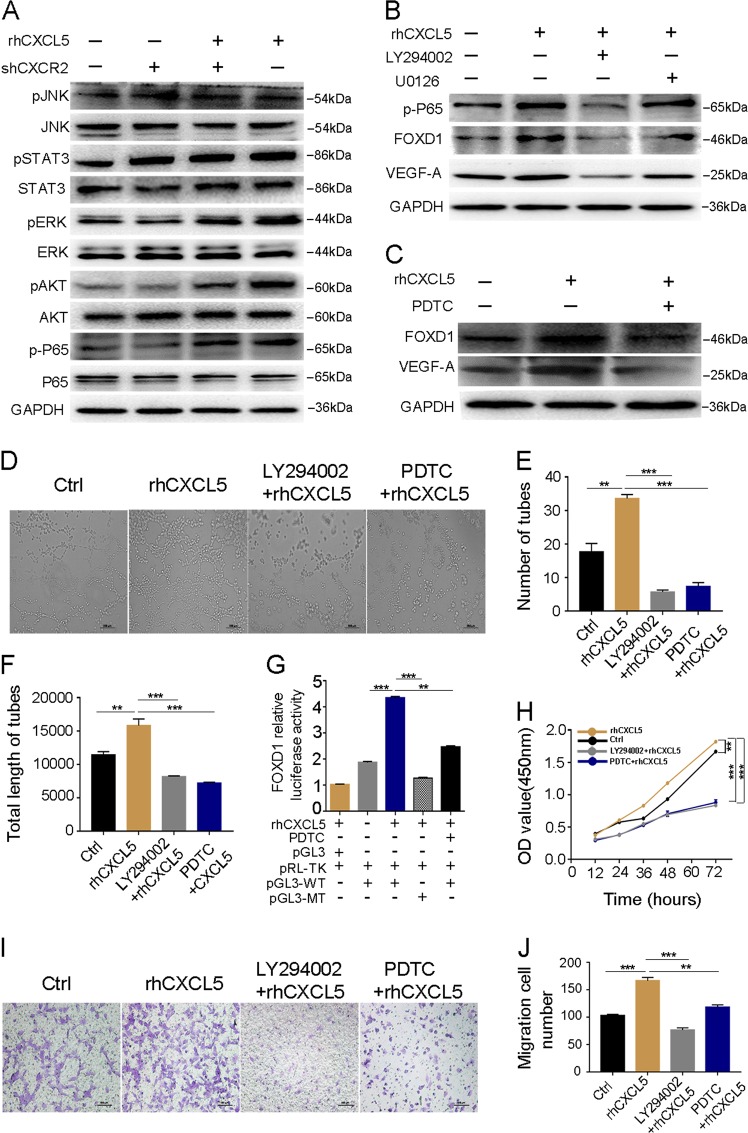
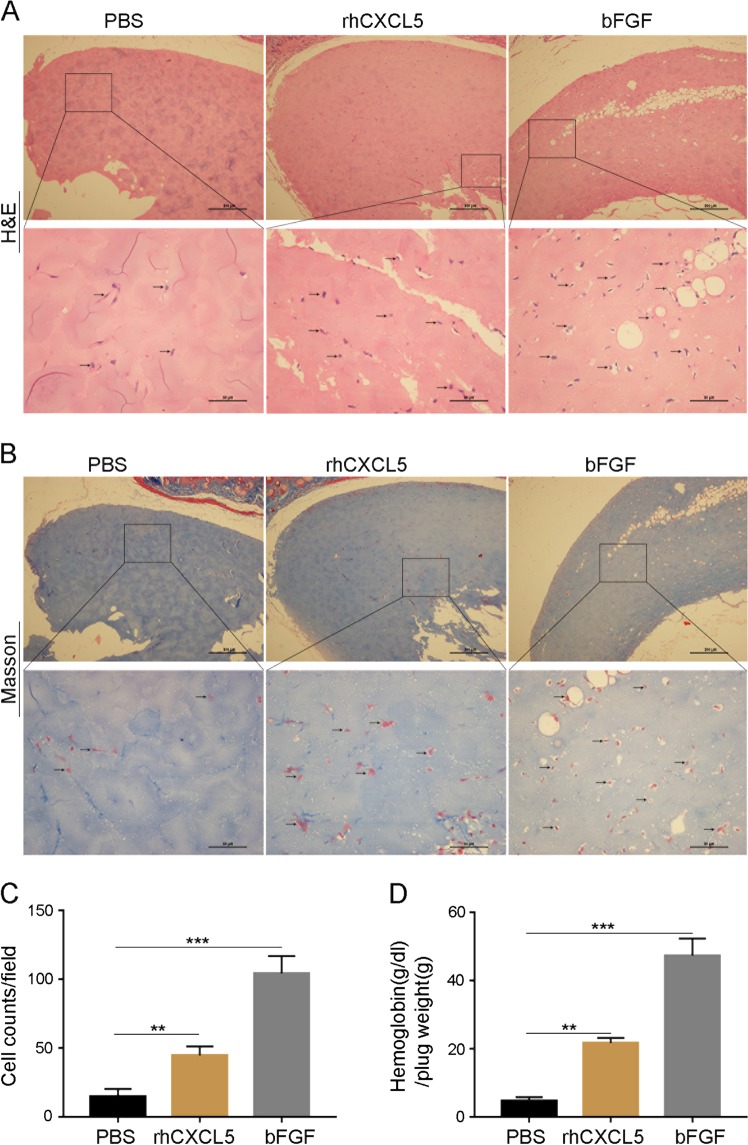
The mechanisms underlying the role of CXCL5 in tumor angiogenesis have not been fully defined. Here, we examined the effect of CXCL5 on tumor angiogenesis in colorectal cancer (CRC). Immunohistochemistry was used to monitor the expression of CXCL5 and CD31 in CRC patients' tissues. HUVEC cell lines stably transfected with shCXCR2 and shFOXD1 lentivirus plasmids were used in an in vitro study. Based on some molecular biological experiments in vitro and in vivo, we found that CXCL5 was upregulated in tumor tissues and that its level positively correlated with the expression of CD31. Next, we used recombinant human CXCL5 (rhCXCL5) to stimulate HUVECs and found that their tube formation ability, proliferation, and migration were enhanced by the activation of the AKT/NF-κB/FOXD1/VEGF-A pathway in a CXCR2-dependent manner. However, silencing of CXCR2 and FOXD1 or inhibition of the AKT and NF-κB pathways could attenuate the tube formation ability, proliferation, and migration of rhCXCL5-stimulated HUVECs in vitro. rhCXCL5 can promote angiogenesis in vivo in Matrigel plugs, and the overexpression of CXCL5 can also increase microvessel density in vivo in a subcutaneous xenotransplanted tumor model in nude mice. Taken together, our findings support CXCL5 as an angiogenic factor that can promote cell metastasis through tumor angiogenesis in CRC. Furthermore, we propose that FOXD1 is a novel regulator of VEGF-A. These observations open new avenues for therapeutic application of CXCL5 in tumor anti-angiogenesis.
Conflict of interest statement
Conflict of interest
The authors declare that they have no conflict of interest.
All the experiments involving in human specimens and animals were in accordance with the ethical code and recommendation issued by Ethics Committee of Human Experimentation and Chinese Animal Community and with the Helsinki Declaration of 1975, as revised in 2008.
Figures


References
-
- Global Burden of Disease Cancer Collaboration. et al. Global, Regional, and National Cancer Incidence, Mortality, Years ofLife Lost, Years Lived with Disability, and Disability-Adjusted Life-Years for 29 Cancer Groups, 1990 to 2016: A Systematic Analysis for the Global Burden of Disease Study. JAMA Oncol. 2018;4:1553–1568. doi: 10.1001/jamaoncol.2018.2706. - DOI - PMC - PubMed
Publication types
MeSH terms
Substances
LinkOut - more resources
Full Text Sources
Medical
