


Drug-induced sleep endoscopy-directed adenotonsillectomy in pediatric obstructive sleep apnea with small tonsils
- PMID: 30794596
- PMCID: PMC6386441
- DOI: 10.1371/journal.pone.0212317
Drug-induced sleep endoscopy-directed adenotonsillectomy in pediatric obstructive sleep apnea with small tonsils
Abstract
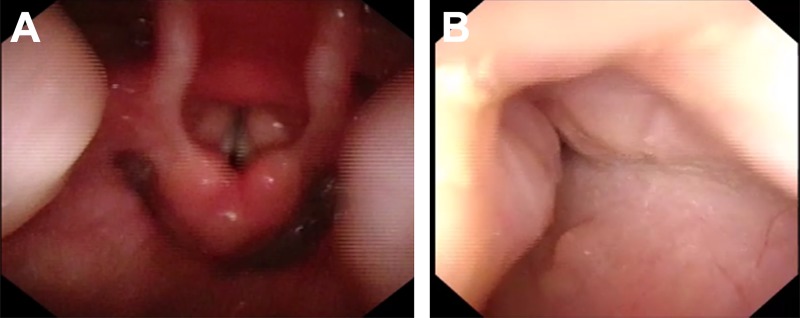
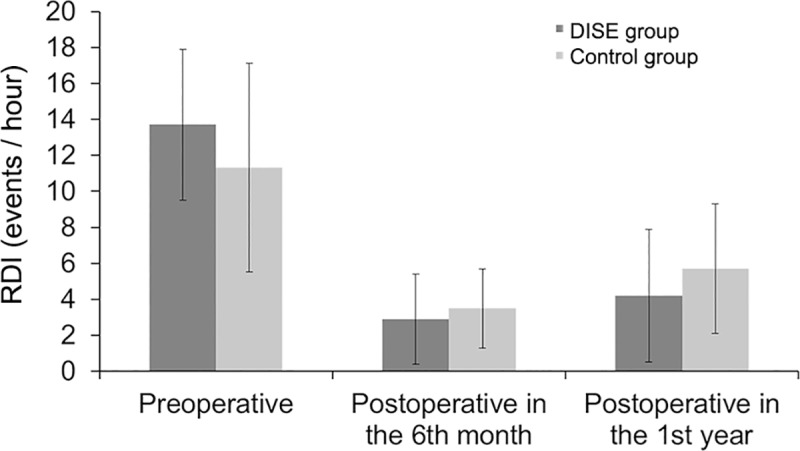
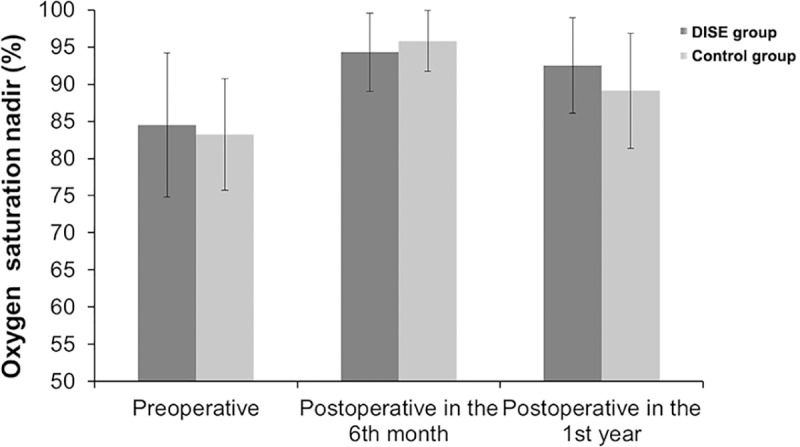
The study aims to examine drug-induced sleep endoscopy (DISE) in the decision-making process of pediatric obstructive sleep apnea (OSA) patients with small tonsils. This was a retrospective study of children who underwent awake flexible endoscopy, DISE, and adenoidectomy with/without tonsillectomy at the Shanghai Children's Medical Center between 03/2015 and 12/2016. Tonsillectomy was performed for tonsillar obstruction found by DISE. Adenoidectomy was performed for all children. Cardio-pulmonary coupling (CPC) and oximetry were observed before/after surgery. The study included 126 children: 56 (44.4%) with grade 2 tonsils and 70 (55.6%) with grade 1. Mean age was 5.7±3.2 (range, 2.8-10.4) years and mean BMI of 15.7±5.5 kg/m2. Unexpectedly, DISE showed tonsillar obstruction in 57 (45.2%) children, including 44 (78.6%) with grade 2 tonsils and 13 (18.6%) with grade 1. Therefore, DISE-directed tonsillectomy was performed for 57 patients. There was an improvement in respiratory disturbance index (RDI) and oxygen saturation nadir in the DISE (P = 0.0007, P = 0.037) and control (P = 0.001, P = 0.023) groups 6 months after surgery, but RDI improvement was better in the DISE group compared with controls 1 year after surgery (P = 0.042). DISE is a good way to determine the necessity of tonsillectomy in pediatric OSA patients with small tonsils.
Conflict of interest statement
The authors have declared that no competing interests exist.
Figures
References
-
- Randel A. AAO-HNS Guidelines for Tonsillectomy in Children and Adolescents. American Family Physician. 2011;84(5):566–73. - PubMed
-
- Brodsky L. Modern Assessment of Tonsils and Adenoids. Pediatric Clinics of North America. 1989;36(6):1551–69. - PubMed
-
- Archer S. Clinical Practice Guideline: Tonsillectomy in Children. Otolaryngology—head and neck surgery: official journal of American Academy of Otolaryngology-Head and Neck Surgery. 2011;144(1 Suppl):1–30. - PubMed
Publication types
MeSH terms
Substances
LinkOut - more resources
Full Text Sources
Medical
