


Hypermobility of joints in dancers
- PMID: 30794600
- PMCID: PMC6386248
- DOI: 10.1371/journal.pone.0212188
Hypermobility of joints in dancers
Abstract
Objectives: The current understanding of hypermobility and its diagnostic criteria is still insufficient to create a complete and systematic clinical presentation of the disorder. The objective of this study was to assess the prevalence of joint hypermobility syndrome (JHS) amongst a cohort of jazz dancers, by analyzing its presence in accordance with a number of diagnostic criteria, and to verify potential risk factors for joint hypermobility in jazz dancers.
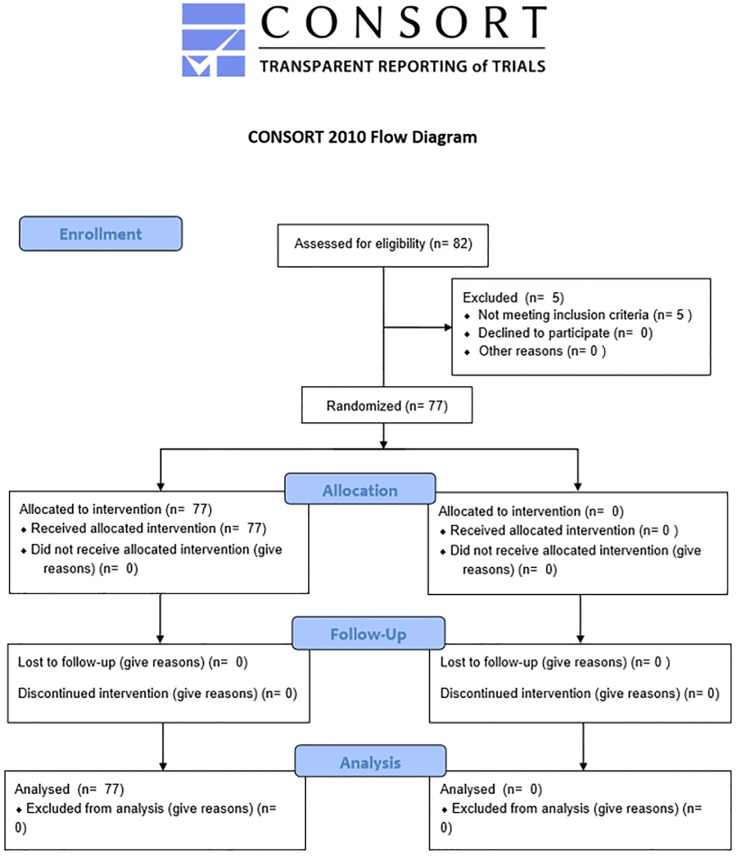
Methods: 77 jazz dancers from the Polish Dance Theater were examined (58 female and 19 male). The prevalence of JHS was assessed using the following diagnostic tools: a structured interview, Beighton score, Grahame & Hakim questionnaire, and Sachse's criteria, in the modified version proposed by Kapandji.
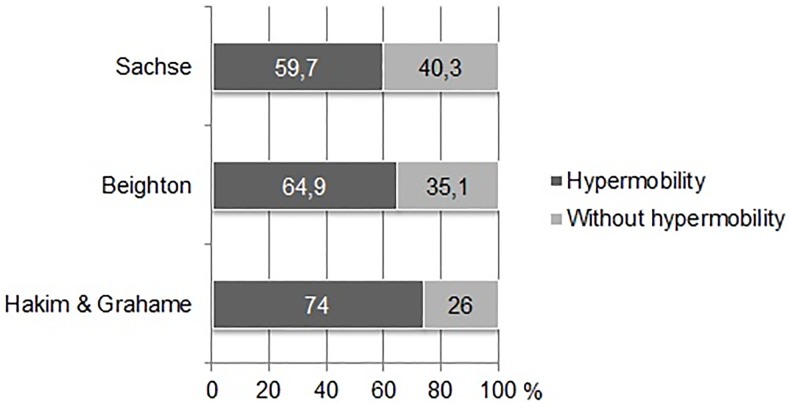
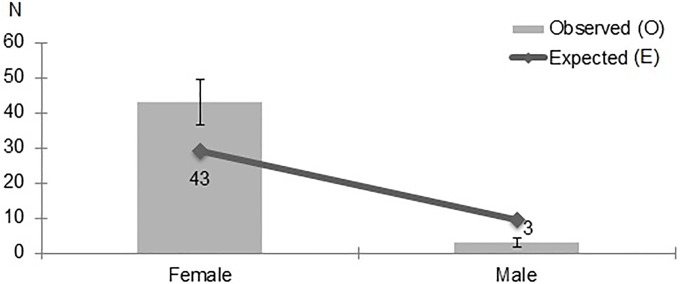
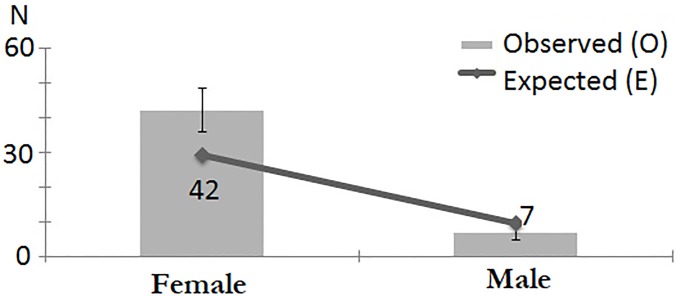
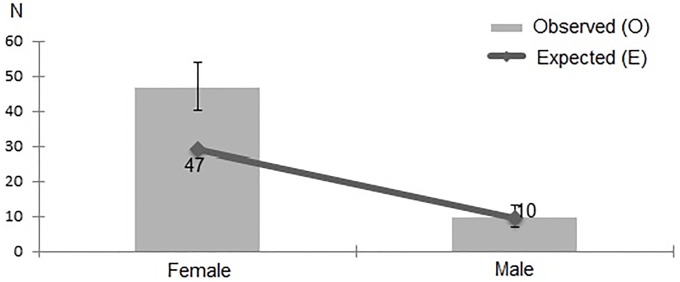
Results: The prevalence of JHS in this cohort of jazz dancers differed significantly, depending on which criteria were adopted (p = 0.001) with Beighton score, Grahame & Hakim questionnaire, and Sachse's criteria identifying 64.9%, 74% and 59.7% of the sample as JHS respectively. Hypermobility was significantly more prevalent in women than men (p < 0.05).
Conclusions: This study demonstrated a significant prevalence of joint hypermobility in jazz dancers and corroborates the findings of other researchers, indicating the need for unified diagnostic criteria for JHS in dancers.
Conflict of interest statement
The authors have declared that no competing interests exist.
Figures
References
-
- Drężewska M, Gałuszka R, Śliwiński Z. Hip joints mobility in dancers. Prelimary report. Ortop Traumatol Rehab 2012; 14(5):443–452. - PubMed
Publication types
MeSH terms
LinkOut - more resources
Full Text Sources
Miscellaneous
