Review
. 2019 Nov 22;431(23):4670-4683.
doi: 10.1016/j.jmb.2019.02.011. Epub 2019 Feb 21.

Impact of Xenogeneic Silencing on Phage-Host Interactions

Affiliations
Review

Impact of Xenogeneic Silencing on Phage-Host Interactions

Eugen Pfeifer et al. J Mol Biol. .

Abstract

Phages, viruses that prey on bacteria, are the most abundant and diverse inhabitants of the Earth. Temperate bacteriophages can integrate into the host genome and, as so-called prophages, maintain a long-term association with their host. The close relationship between host and virus has significantly shaped microbial evolution and phage elements may benefit their host by providing new functions. Nevertheless, the strong activity of phage promoters and potentially toxic gene products may impose a severe fitness burden and must be tightly controlled. In this context, xenogeneic silencing (XS) proteins, which can recognize foreign DNA elements, play an important role in the acquisition of novel genetic information and facilitate the evolution of regulatory networks. Currently known XS proteins fall into four classes (H-NS, MvaT, Rok and Lsr2) and have been shown to follow a similar mode of action by binding to AT-rich DNA and forming an oligomeric nucleoprotein complex that silences gene expression. In this review, we focus on the role of XS proteins in phage-host interactions by highlighting the important function of XS proteins in maintaining the lysogenic state and by providing examples of how phages fight back by encoding inhibitory proteins that disrupt XS functions in the host. Sequence analysis of available phage genomes revealed the presence of genes encoding Lsr2-type proteins in the genomes of phages infecting Actinobacteria. These data provide an interesting perspective for future studies to elucidate the impact of phage-encoded XS homologs on the phage life cycle and phage-host interactions.

Keywords: Actinobacteria; H-NS; Lsr2; phage–host interaction; xenogeneic silencer.


Figures

Figure 1
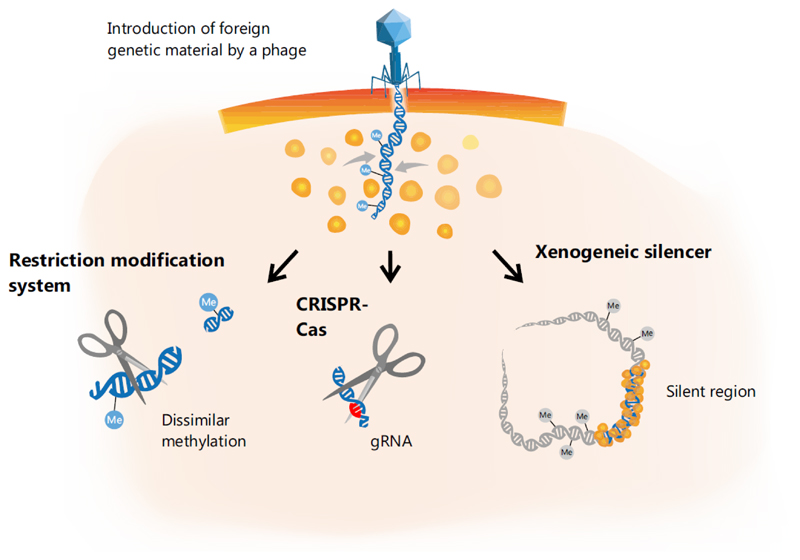
Figure 1. Xenogeneic silencing of foreign DNA.
Microbial cells have evolved a variety of different defense mechanisms to deal with viral DNA and to counteract potential detrimental effects. Schematically included examples are the restriction modification (RM) systems and CRISPR-Cas. In contrast, xenogeneic silencing proteins are able to recognize foreign, AT-rich DNA and form an oligomeric nucleoprotein complex that silences gene expression at the particular target regions [19].
Figure 2
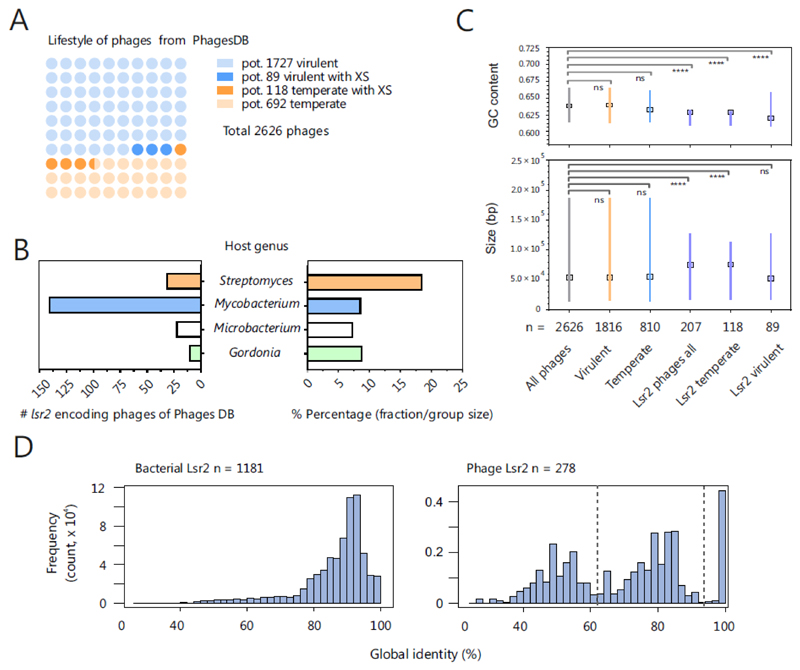
Figure 2. Lsr2-like proteins are encoded on actinobacteriophage genomes.
A. Distribution of Lsr2-encoding phages is shown among temperate and virulent actinophages. Based on the genomes downloaded from the actinobacteriophage database PhagesDB [83], coding sequences were predicted by prodigal [101] and the lifestyles of phages were predicted using PHACTS [85]. The temperate lifestyle was assigned if the mean minus the standard deviation of the calculated probability was >0.5. Otherwise, a virulent lifestyle was assumed. By this approach, 1816 (1727 corresponding to light blue and 89 corresponding to blue balls) were predicted to be virulent and 810 (692 light orange and 118 corresponding to orange balls), to be temperate (out of 2626 phages, downloaded 19.10.2018). A blastp search (default parameters, e-value < 0.005) revealed 207 phages encoding Lsr2-like proteins, of which 89 (blue balls) are virulent and 118 temperate phages (orange balls). Phages containing more than one gene encoding an Lsr2-like protein were counted only once; hits found in draft genomes were excluded. B. Overview of the host genus of Lsr2-encoding phages. On the left side, the absolute numbers are indicated. The right side of plot shows the proportion of Lsr2-encoding phages among all phages for the respective host genus. C GC contents and sizes of temperate, virulent and silencer encoding phages were compared with reference group (all phages) by the Kruskal-Wallis test. The medians are indicated with boxes. In the GC-content plot, the lines represent the interquartile ranges, whereas in the size plot, the lines indicate the range of the minimal and maximal values. D. Global pairwise secondary structure identity between Lsr2 sequences encoded in bacterial (left side) and phage genomes (right side). The identity of Lsr2 structure within bacterial genomes is relative high (mean ~87%) compared to the phage encoded Lsr2 sequences (mean ~70%). Furthermore, the distribution of the phage encoded Lsr2 structure identity evinces a higher diversity by pointing to the existence of particular pairs with high identity to each other and low to the rest of the data set.
Figure 3
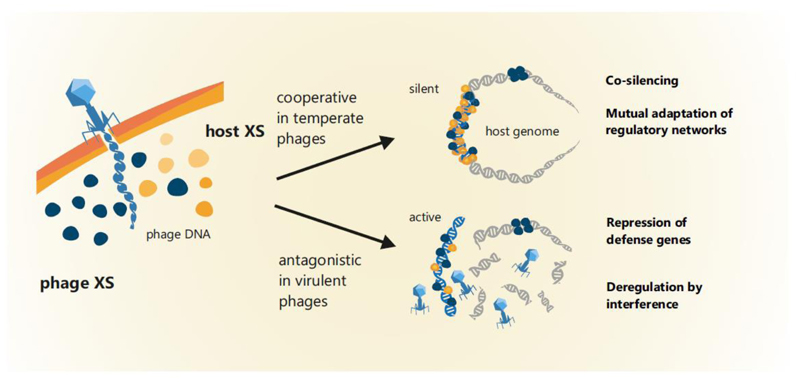
Figure 3. Model for the functions of phage-encoded silencers depending on the phage lifestyle.
Examples like the Lsr2-like silencer CgpS demonstrated that XS proteins may play an important role in maintaining the lysogenic state. Depending on the XS repertoire or the particular host strain, (pro-)phage-encoded XS proteins may also cooperate with the host-encoded protein to form heteromeric complexes. The function of phage-encoded silencers has not been studied experimentally and therefore remains subject to speculation. Nevertheless, it can be postulated that virulent phages might employ XS-like proteins as a weapon to interfere with host XS proteins or to repress other host defense mechanisms.
Figure 4
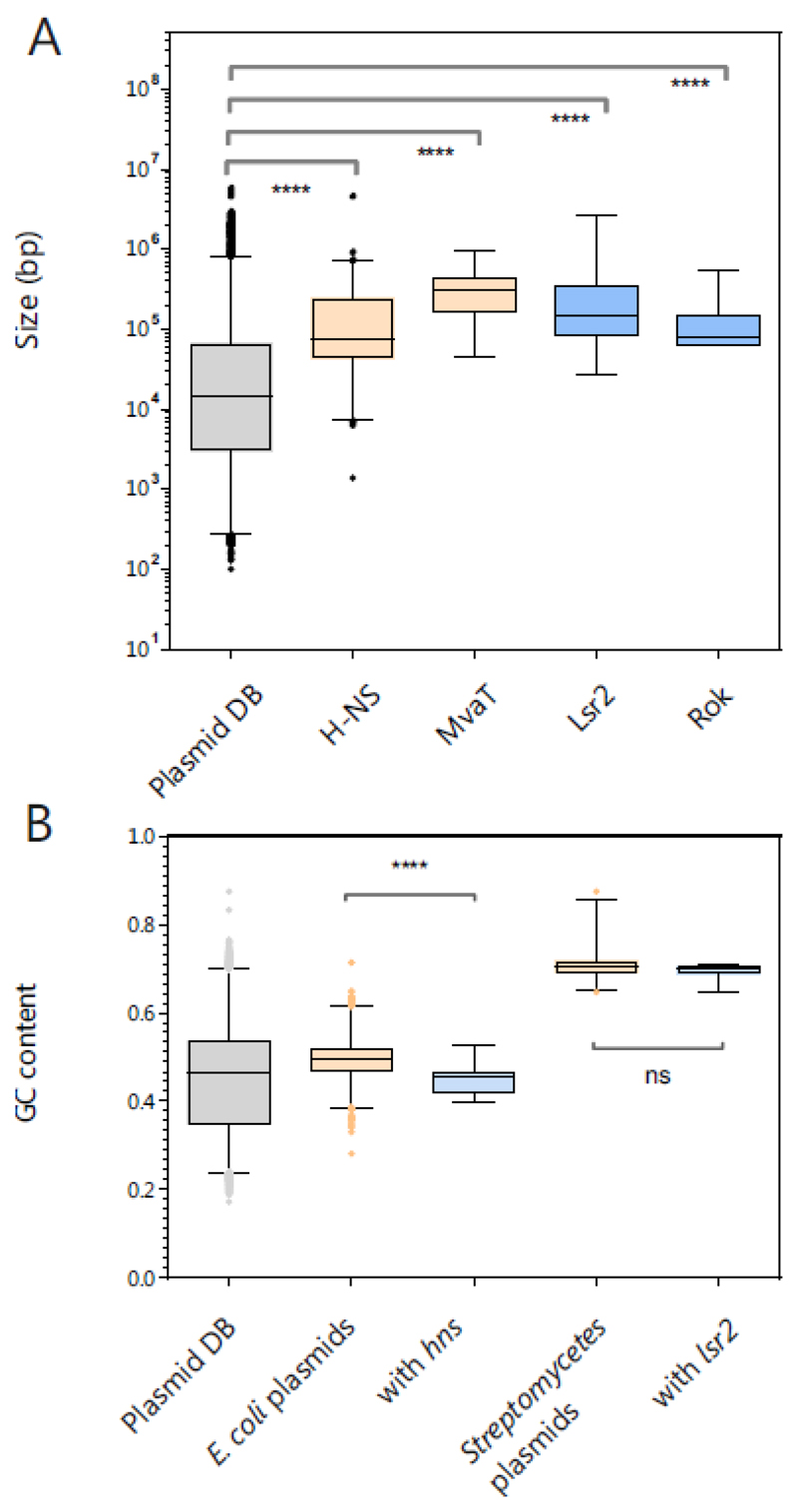
Figure 4. Distribution of silencer-encoding genes on plasmids.
A. Overall, 24197 sequences for plasmids were retrieved from the NCBI nucleotide database using RefSeq as the source data base (Filter criteria: Bacteria, genomic DNA, Plasmid, RefSeq on 29.10.2018). Via a local blastp search (e-value < 0.005) with the amino acid sequences of H-NS (WP_001287378.1), MvaT (WP_003093888.1), Lsr2 (WP_003419513.1) and Rok (WP_003232378.1), approximately 408, 35, 63 and 18 hits, respectively, were found. The sizes were compared in a boxplot with ranges from 1-99% and evaluated by Kruskal-Wallis tests. B. GC content of the plasmids, including all sequences, E. coli plasmids (n = 2600), with hns (n=95) and Streptomycetes plasmids (n=147) with lsr2 (13) were compared in a boxplot (range 1-99%, evaluated by Kruskal-Wallis tests).

References

    1. Casjens S. Prophages and bacterial genomics: what have we learned so far? Molecular microbiology. 2003;49:277–300. - PubMed
    1. Canchaya C, Fournous G, Brüssow H. The impact of prophages on bacterial chromosomes. Molecular microbiology. 2004;53:9–18. - PubMed
    1. Hatfull GF, Hendrix RW. Bacteriophages and their genomes. Current opinion in virology. 2011;1:298–303. - PMC - PubMed
    1. Bondy-Denomy J, Davidson AR. When a virus is not a parasite: the beneficial effects of prophages on bacterial fitness. Journal of microbiology. 2014;52:235–42. - PubMed
    1. Pennington JM, Rosenberg SM. Spontaneous DNA breakage in single living Escherichia coli cells. Nature genetics. 2007;39:797–802. - PMC - PubMed

Publication types

Substances

LinkOut - more resources