


α-Difluoromethylornithine reduces gastric carcinogenesis by causing mutations in Helicobacter pylori cagY
- PMID: 30804204
- PMCID: PMC6421409
- DOI: 10.1073/pnas.1814497116
α-Difluoromethylornithine reduces gastric carcinogenesis by causing mutations in Helicobacter pylori cagY
Abstract
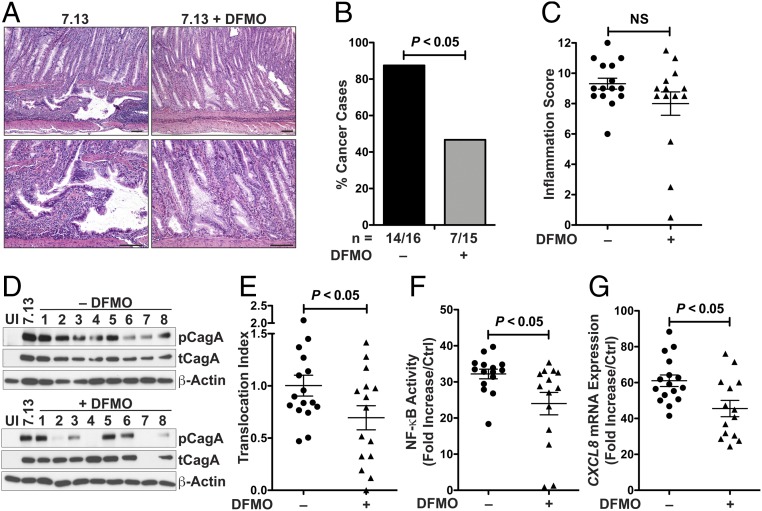
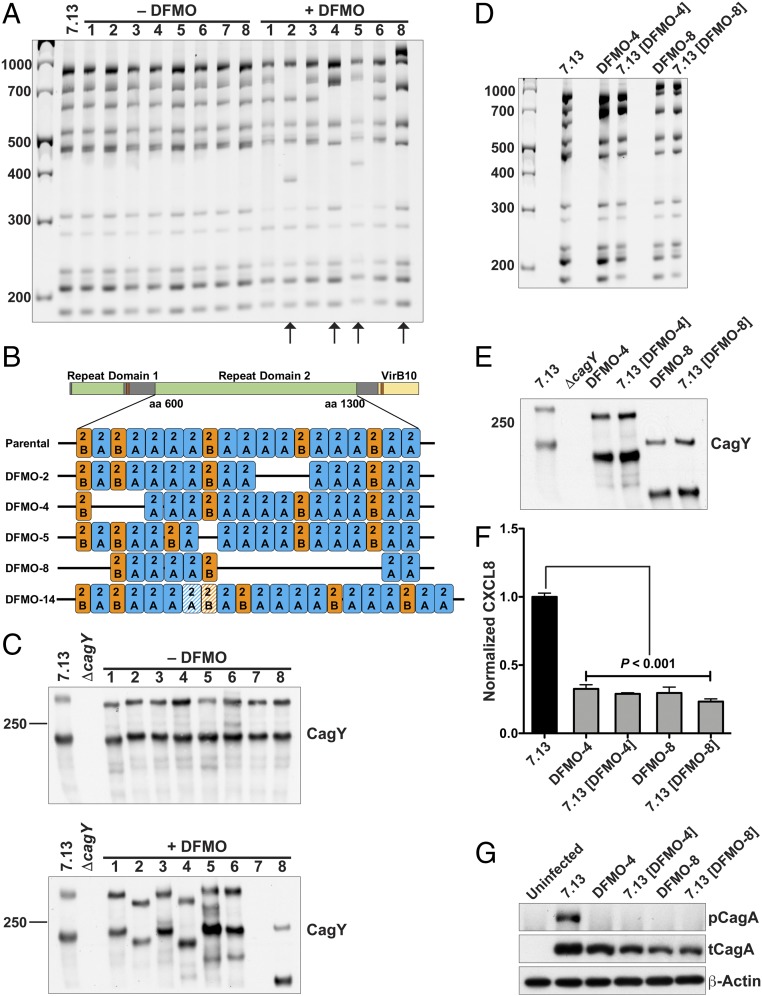
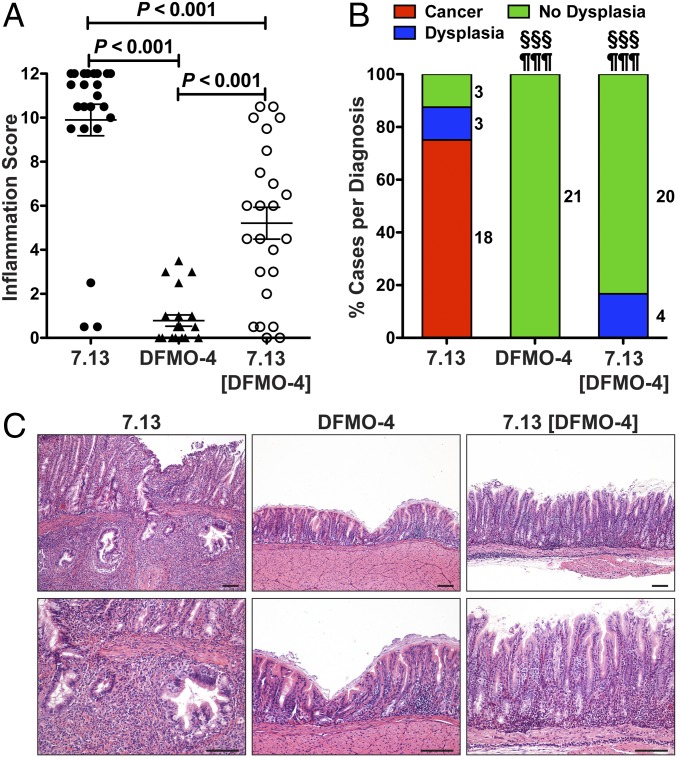
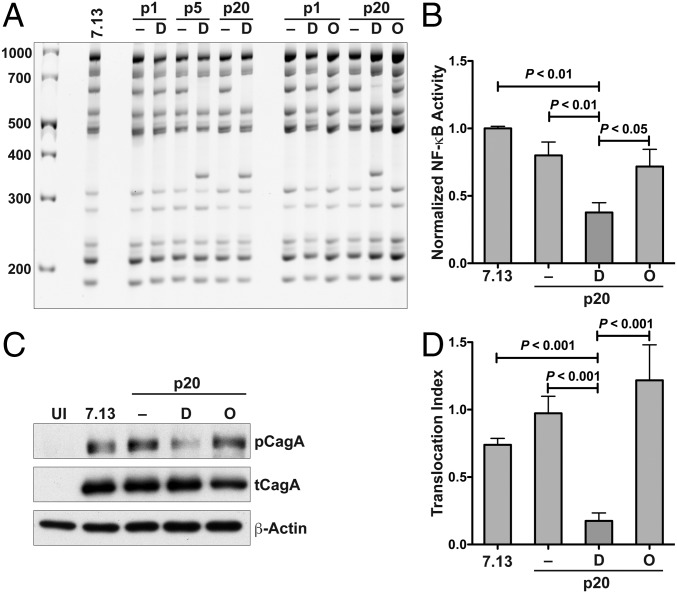
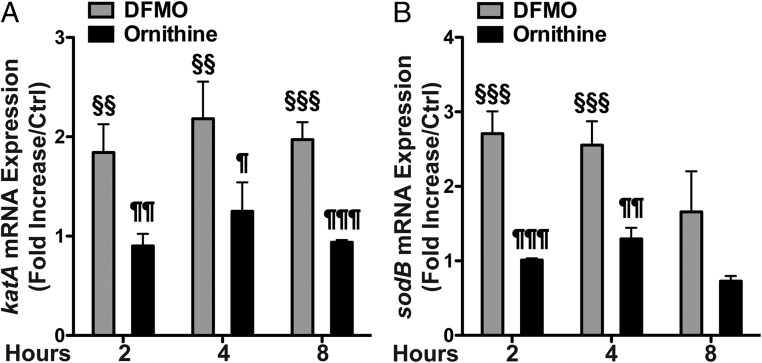
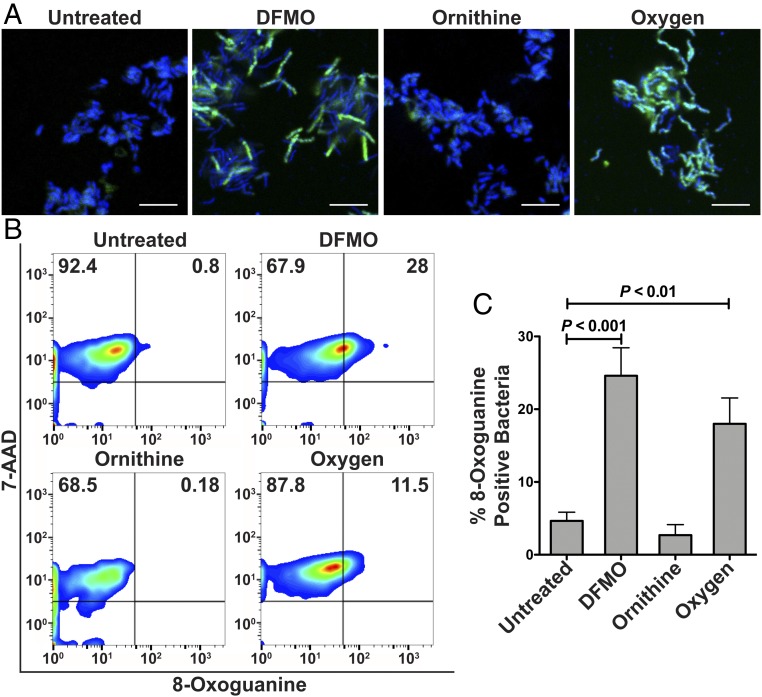
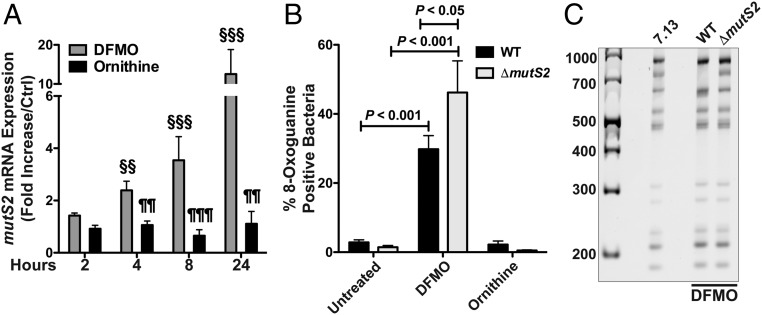
Infection by Helicobacter pylori is the primary cause of gastric adenocarcinoma. The most potent H. pylori virulence factor is cytotoxin-associated gene A (CagA), which is translocated by a type 4 secretion system (T4SS) into gastric epithelial cells and activates oncogenic signaling pathways. The gene cagY encodes for a key component of the T4SS and can undergo gene rearrangements. We have shown that the cancer chemopreventive agent α-difluoromethylornithine (DFMO), known to inhibit the enzyme ornithine decarboxylase, reduces H. pylori-mediated gastric cancer incidence in Mongolian gerbils. In the present study, we questioned whether DFMO might directly affect H. pylori pathogenicity. We show that H. pylori output strains isolated from gerbils treated with DFMO exhibit reduced ability to translocate CagA in gastric epithelial cells. Further, we frequently detected genomic modifications in the middle repeat region of the cagY gene of output strains from DFMO-treated animals, which were associated with alterations in the CagY protein. Gerbils did not develop carcinoma when infected with a DFMO output strain containing rearranged cagY or the parental strain in which the wild-type cagY was replaced by cagY with DFMO-induced rearrangements. Lastly, we demonstrate that in vitro treatment of H. pylori by DFMO induces oxidative DNA damage, expression of the DNA repair enzyme MutS2, and mutations in cagY, demonstrating that DFMO directly affects genomic stability. Deletion of mutS2 abrogated the ability of DFMO to induce cagY rearrangements directly. In conclusion, DFMO-induced oxidative stress in H. pylori leads to genomic alterations and attenuates virulence.
Keywords: Helicobacter pylori; chemoprevention; difluoromethylornithine; gastric cancer; polyamines.
Conflict of interest statement
The authors declare no conflict of interest.
Figures
References
-
- Hooi JKY, et al. Global prevalence of Helicobacter pylori infection: Systematic review and meta-analysis. Gastroenterology. 2017;153:420–429. - PubMed
-
- Parsonnet J, et al. Helicobacter pylori infection and the risk of gastric carcinoma. N Engl J Med. 1991;325:1127–1131. - PubMed
-
- Uemura N, et al. Helicobacter pylori infection and the development of gastric cancer. N Engl J Med. 2001;345:784–789. - PubMed
Publication types
MeSH terms
Substances
Grants and funding
LinkOut - more resources
Full Text Sources
Medical
Molecular Biology Databases
Research Materials
