


Molecular profiling and targeted therapy in pediatric gliomas: review and consensus recommendations
- PMID: 30805642
- PMCID: PMC6682212
- DOI: 10.1093/neuonc/noz022
Molecular profiling and targeted therapy in pediatric gliomas: review and consensus recommendations
Abstract
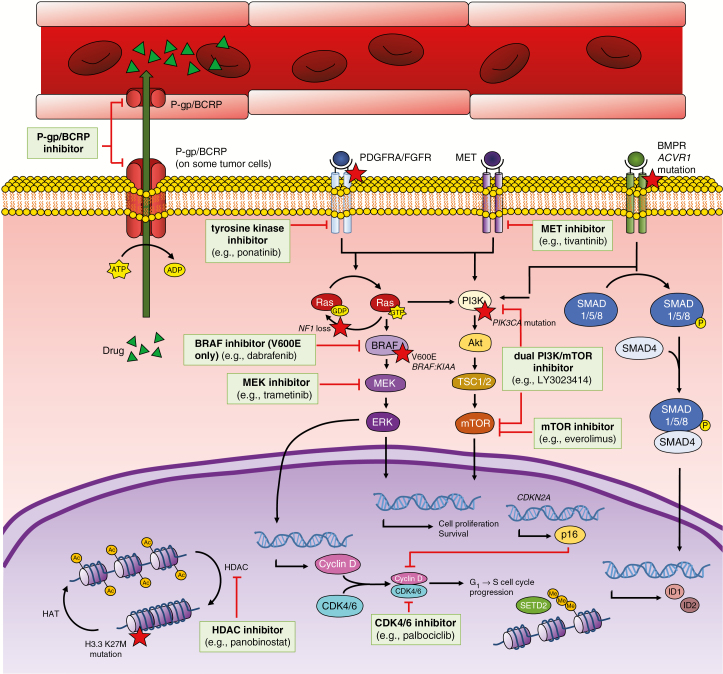
As the field of neuro-oncology makes headway in uncovering the key oncogenic drivers in pediatric glioma, the role of precision diagnostics and therapies continues to rapidly evolve with important implications for the standard of care for clinical management of these patients. Four studies at major academic centers were published in the last year outlining the clinically integrated molecular profiling and targeting of pediatric brain tumors; all 4 demonstrated the feasibility and utility of incorporating sequencing into the care of children with brain tumors, in particular for children and young adults with glioma. Based on synthesis of the data from these studies and others, we provide consensus recommendations for the integration of precision diagnostics and therapeutics into the practice of pediatric neuro-oncology. Our primary consensus recommendation is that next-generation sequencing should be routinely included in the workup of most pediatric gliomas.
Keywords: high-grade glioma; low-grade glioma; next-generation sequencing; pediatric; precision medicine.
© The Author(s) 2019. Published by Oxford University Press on behalf of the Society for Neuro-Oncology. All rights reserved. For permissions, please e-mail: journals.permissions@oup.com.
Figures
References
-
- Schwartzentruber J, Korshunov A, Liu XY, et al. Driver mutations in histone H3.3 and chromatin remodelling genes in paediatric glioblastoma. Nature. 2012;482(7384):226–231. - PubMed
Publication types
MeSH terms
Grants and funding
LinkOut - more resources
Full Text Sources
Medical
