


The emerging role of epigenetics in human autoimmune disorders
- PMID: 30808407
- PMCID: PMC6390373
- DOI: 10.1186/s13148-019-0632-2
The emerging role of epigenetics in human autoimmune disorders
Abstract
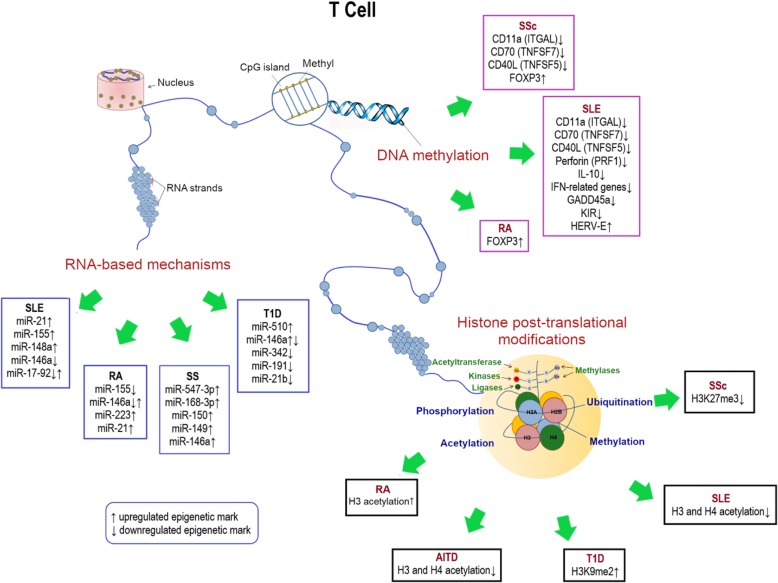
Epigenetic pathways play a pivotal role in the development and function of the immune system. Over the last decade, a growing body of studies has been published out seeking to explain a correlation between epigenetic modifications and the development of autoimmune disorders. Epigenetic changes, such as DNA methylation, histone modifications, and noncoding RNAs, are involved in the pathogenesis of autoimmune diseases mainly by regulating gene expression. This paper reviews the importance of epigenetic alterations during the development of the most prevalent human autoimmune diseases, such as systemic lupus erythematosus (SLE), rheumatoid arthritis (RA), systemic sclerosis (SSc), Sjogren's syndrome (SS), autoimmune thyroid diseases (AITD), and type 1 diabetes (T1D), aiming to provide new insights in the pathogenesis of autoimmune diseases and the possibility to develop novel therapeutic approaches targeting the epigenome.
Keywords: Autoimmune diseases; Epigenetic pathways; Epigenetics; Gene expression.
Conflict of interest statement
Ethics approval and consent to participate
Not applicable.
Consent for publication
Not applicable.
Competing interests
The authors declare that they have no competing interests.
Publisher’s Note
Springer Nature remains neutral with regard to jurisdictional claims in published maps and institutional affiliations.
Figures
References
Publication types
MeSH terms
Substances
Grants and funding
LinkOut - more resources
Full Text Sources
Other Literature Sources
Medical
