


Platelet-rich plasma for androgenetic alopecia: A review of the literature and proposed treatment protocol
- PMID: 30809579
- PMCID: PMC6374694
- DOI: 10.1016/j.ijwd.2018.08.004
Platelet-rich plasma for androgenetic alopecia: A review of the literature and proposed treatment protocol
Abstract
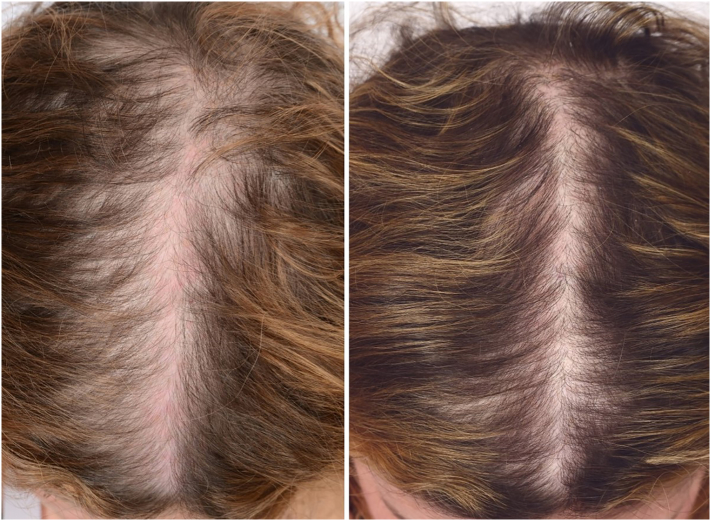
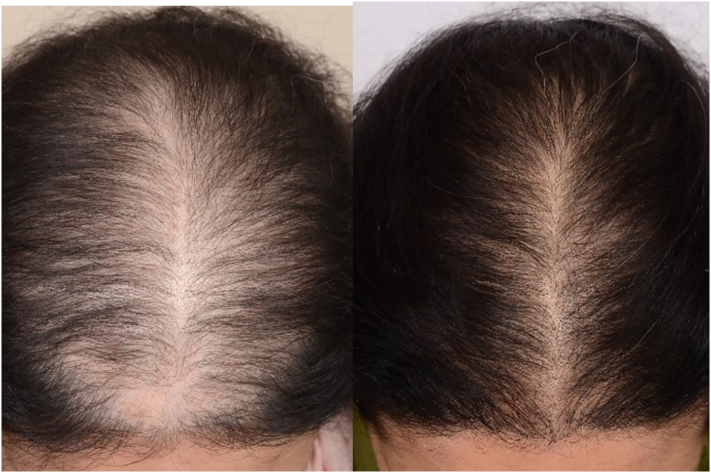
Androgenetic alopecia (AGA) is a common hair loss disorder caused by genetic and hormonal factors that are characterized by androgen-related progressive thinning of scalp hair in a defined pattern. By the age of 60 years, 45% of men and 35% of women develop AGA. Currently, U.S. Food and Drug Administration-approved treatments for AGA include oral finasteride and topical minoxidil. Due to the limited number of effective therapies for AGA, platelet-rich plasma (PRP) has become an effective alternative treatment. PRP is an autologous concentration of platelets in plasma with numerous growth factors that contribute to hair regeneration. The growth factors contained within the alpha granules of platelets act on stem cells in the bulge area of the hair follicles and stimulate the development of new follicles along with neovascularization. PRP has become a promising treatment modality for AGA. Although there have been several studies previously reported, a standard practice for PRP preparation and administration as well as a method to evaluate results have not been established. This literature review was conducted to evaluate the effectiveness of PRP for AGA and discuss the various treatment protocols that have been proposed.
Keywords: alopecia; androgenetic; plasma; platelet; rich.
Figures
References
-
- Alves R., Grimalt R. Randomized placebo-controlled, double-blind, half-head study to assess the efficacy of platelet-rich plasma on the treatment of androgenetic alopecia. Dermatol Surg. 2016;42(4):491–497. - PubMed
Publication types
LinkOut - more resources
Full Text Sources
Medical
Research Materials
Miscellaneous
