


Acute Hyponasality (Closed Rhinolalia) and Craniomaxillofacial Fracture Suggest the Coexistence of Retropharyngeal Emphysema and Pneumomediastinum
- PMID: 30815219
- PMCID: PMC6391258
- DOI: 10.1055/s-0038-1667017
Acute Hyponasality (Closed Rhinolalia) and Craniomaxillofacial Fracture Suggest the Coexistence of Retropharyngeal Emphysema and Pneumomediastinum
Abstract
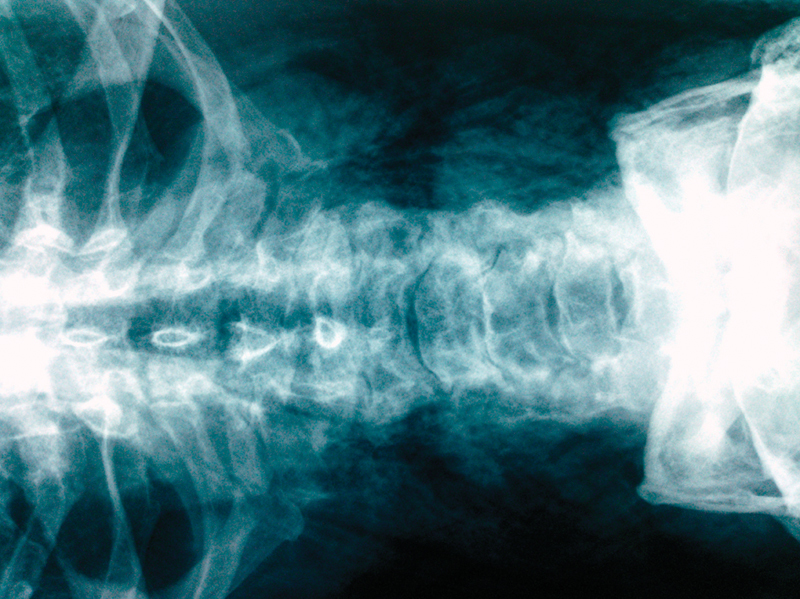
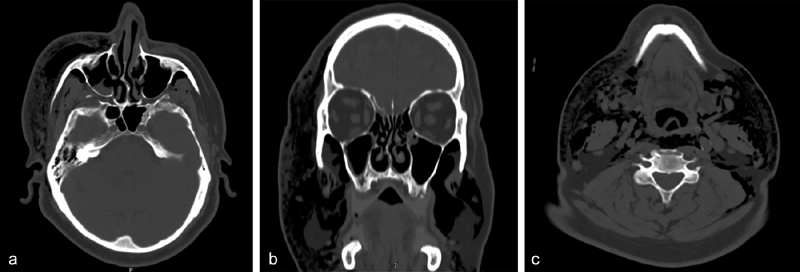
Pneumomediastinum (PM) implies an abnormal condition where a collection of free air or gas is entrapped within the fascial planes of mediastinal cavity. It is considered as benign entity, but an uncommonly seen complication of craniofacial injuries. We report a case of a 63-year-old male patient with the presenting sign of closed rhinolalia who was diagnosed with retropharyngeal emphysema and PM due to a linear and nondisplaced fracture of midface. The patient cited multiple efforts of intense nasal blowing shortly after a facial injury by virtue of a motorcycle accident. He was admitted in our clinic for closer observation and further treatment. The use of a face mask for continuous positive airway pressure was temporarily interrupted, and high concentrations of oxygen were delivered via non-rebreather mask. Patient's course was uncomplicated and he was discharged few days later, with almost complete resolution of cervicofacial emphysema and absence of residual PM in follow-up imaging tests. Closed rhinolalia (or any acute alteration of voice) in maxillofacial trauma patients should be recognized, assessed, and considered within the algorithm for PM and retropharyngeal emphysema diagnosis and management. For every single case of cervicofacial emphysema secondary to facial injury, clinicians should maintain suspicion for retropharyngeal emphysema or PM development.
Keywords: cervicofacial emphysema; facial trauma; pneumomediastinum; retropharyngeal emphysema; rhinolalia; voice.
Conflict of interest statement
Figures


References
-
- Minton G, Tu H K. Pneumomediastinum, pneumothorax, and cervical emphysema following mandibular fractures. Oral Surg Oral Med Oral Pathol. 1984;57(05):490–493. - PubMed
-
- Demers G, Camp J L, Bennett D. Pneumomediastinum caused by isolated oral-facial trauma. Am J Emerg Med. 2011;29(07):841000–8.41E10. - PubMed
-
- Procacci P, Zanette G, Nocini P F. Blunt maxillary fracture and cheek bite: two rare causes of traumatic pneumomediastinum. Oral Maxillofac Surg. 2016;20(01):91–96. - PubMed
-
- Baumann M H, Sahn S A. Hamman's sign revisited. Pneumothorax or pneumomediastinum? Chest. 1992;102(04):1281–1282. - PubMed
-
- Bickley J. Hamman syndrome. Br J Hosp Med (Lond) 2016;77(03):191. - PubMed
Publication types
LinkOut - more resources
Full Text Sources