


A parallel randomized controlled trial examining the effects of rhythmic sensory stimulation on fibromyalgia symptoms
- PMID: 30822311
- PMCID: PMC6396935
- DOI: 10.1371/journal.pone.0212021
A parallel randomized controlled trial examining the effects of rhythmic sensory stimulation on fibromyalgia symptoms
Retraction in
-
Retraction: A parallel randomized controlled trial examining the effects of rhythmic sensory stimulation on fibromyalgia symptoms.PLoS One. 2020 Mar 6;15(3):e0230395. doi: 10.1371/journal.pone.0230395. eCollection 2020. PLoS One. 2020. PMID: 32142556 Free PMC article. No abstract available.
Abstract
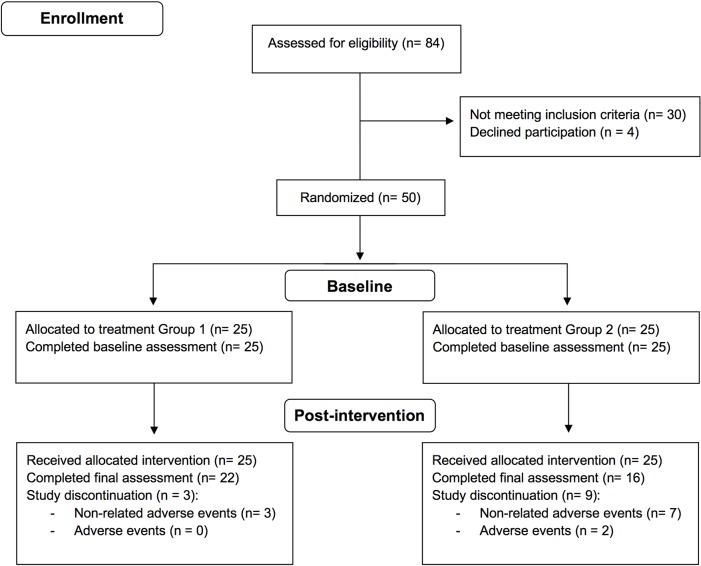
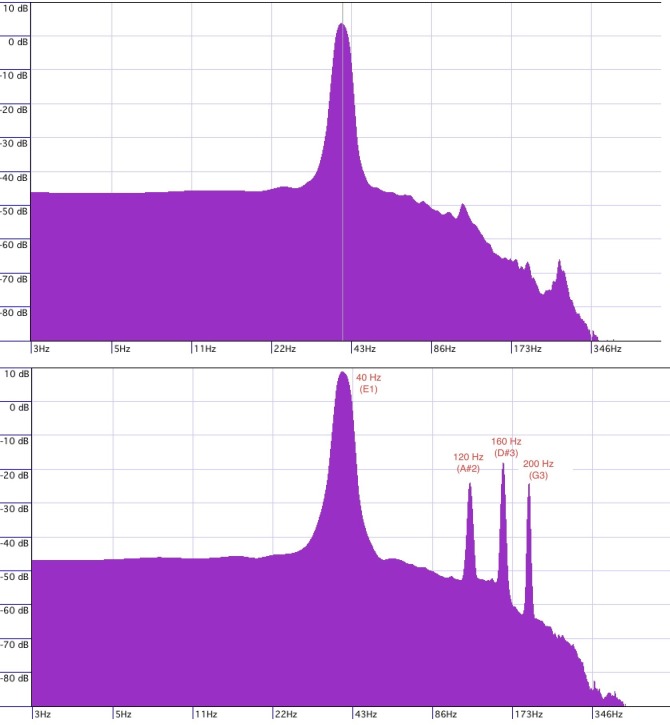
This double-blind, two-arm parallel randomized controlled trial investigated the effects of gamma-frequency rhythmic sensory stimulation on fibromyalgia. We were interested in whether rhythmic sensory stimulation would promote significant changes in fibromyalgia and associated symptoms, and whether treatment effects would differ between two distinct treatment parameters. Fifty patients with a formal diagnosis of fibromyalgia were randomly assigned to two test groups. One group received vibrotactile stimulation from a continuous sine wave single-frequency stimulation (40 Hz) for 30 minutes, five days per week, over five weeks, concomitant with usual care. The second group completed the same treatment protocol but received a different stimulation, consisting of random and intermittent complex wave gamma-range vibrotactile stimulation. Fibromyalgia symptoms, pain severity and interference, depression symptoms, quality of life and sleep quality were assessed at baseline and post-intervention. Results indicated that there were statistically significant changes from baseline to post-treatment in measures of fibromyalgia symptom severity, pain interference, depression, and sleep quality. However, treatment outcomes did not differ significantly between groups. These findings provide preliminary evidence that gamma-frequency rhythmic vibroacoustic stimulation may decrease fibromyalgia symptoms and ease associated comorbidities, opening new avenues for further investigation of the effects of rhythmic sensory stimulation on chronic pain conditions.
Conflict of interest statement
Authors T.B.J., D.P., L.P., and A.G. declare that no competing interests exist. L.B. declares a potential conflict of interest as he has served as a paid scientific consultant to Somerset Group and Sound Oasis, and receives limited royalties from the Somerset Group for the Sonic Aid series and from Sound Oasis on the sales of the Vibroacoustic Therapy System VTS-1000 device. To manage this potential conflict of interest, L.B. was not involved in patient recruitment, consenting, or data collection process, and had no direct role in the data analysis process. This does not alter our adherence to PLOS ONE policies on sharing data and materials.
Figures
References
Publication types
MeSH terms
LinkOut - more resources
Full Text Sources
Medical
