


Modeling of inflicted head injury by shaking trauma in children: what can we learn? : Part I: A systematic review of animal models
- PMID: 30828765
- PMCID: PMC6687679
- DOI: 10.1007/s12024-019-0082-3
Modeling of inflicted head injury by shaking trauma in children: what can we learn? : Part I: A systematic review of animal models
Abstract
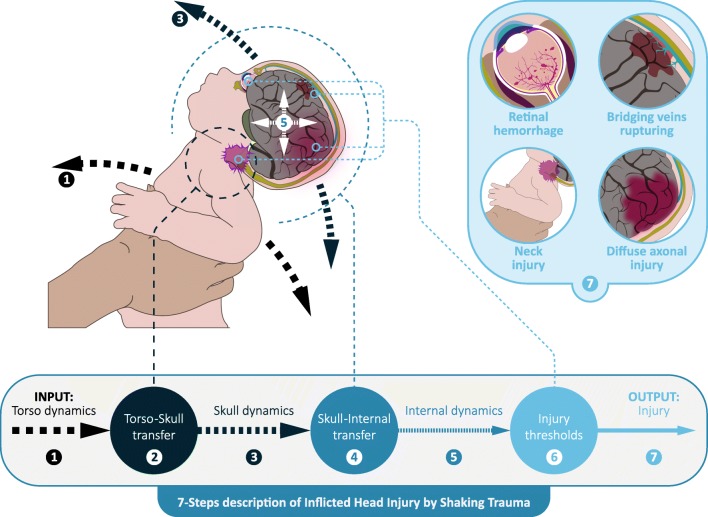
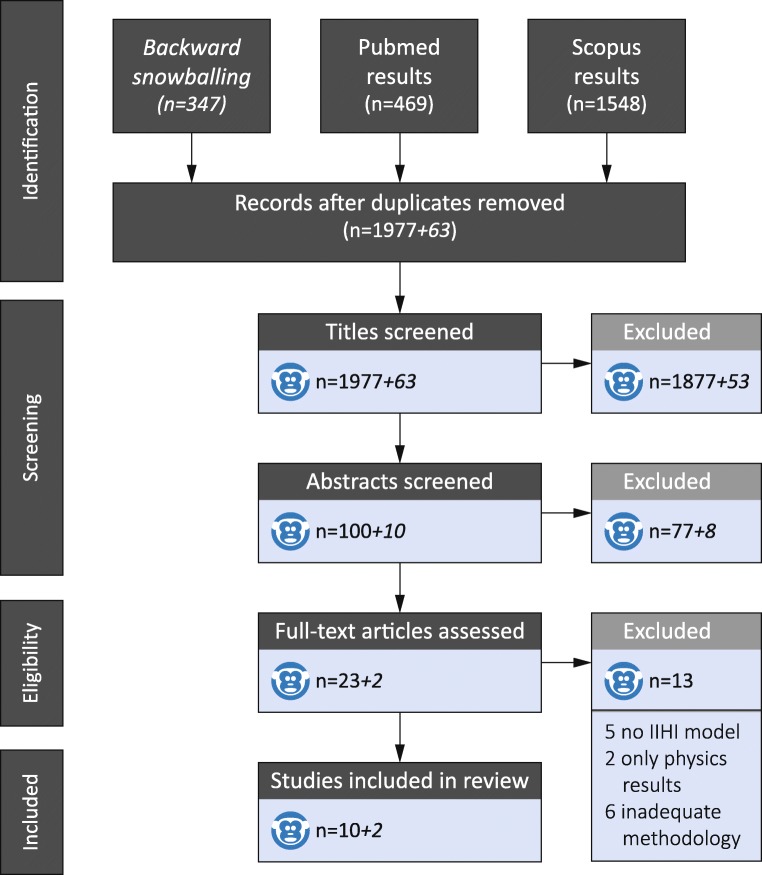
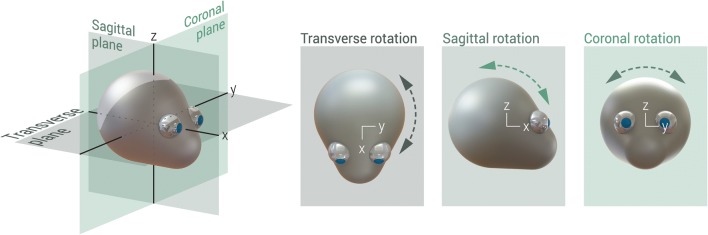
Inflicted blunt force trauma and/or repetitive acceleration-deceleration trauma in infants can cause brain injury. Yet, the exact pathophysiologic mechanism with its associated thresholds remains unclear. In this systematic review an overview of animal models for shaking trauma and their findings on tissue damage will be provided. A systematic review was performed in MEDLINE and Scopus for articles on the simulation of inflicted head injury in animals. After collection, the studies were independently screened by two researchers for title, abstract, and finally full text and on methodological quality. A total of 12 articles were included after full-text screening. Three articles were based on a single study population of 13 lambs, by one research group. The other 9 articles were separate studies in piglets, all by a single second research group. The lamb articles give some information on tissue damage after inflicted head injury. The piglet studies only provide information on consequences of a single plane rotational movement. Generally, with increasing age and weight, there was a decrease of axonal injury and death. Future studies should focus on every single step in the process of a free movement in all directions, resembling human infant shaking. In part II of this systematic review biomechanical models will be evaluated.
Keywords: Animal models; Child abuse; Closed head injuries; Forensic pathology.
Conflict of interest statement
The authors declare that they have no conflict of interest.
Figures
References
Publication types
MeSH terms
LinkOut - more resources
Full Text Sources
Other Literature Sources
