


A systematic review of selected human rights programs to improve HIV-related outcomes from 2003 to 2015: what do we know?
- PMID: 30832599
- PMCID: PMC6399958
- DOI: 10.1186/s12879-019-3692-1
A systematic review of selected human rights programs to improve HIV-related outcomes from 2003 to 2015: what do we know?
Abstract
Background: Repressive legal environments and widespread human rights violations act as structural impediments to efforts to engage key populations at risk of HIV infection in HIV prevention, care, and treatment efforts. The identification and scale-up of human rights programs and rights-based interventions that enable coverage of and retention in evidence-based HIV prevention and treatment approaches is crucial for halting the epidemic.
Methods: We conducted a systematic review of studies that assessed the effectiveness of human rights interventions on improving HIV-related outcomes between 1/1/2003-28/3/2015 per PRISMA guidelines. Studies of any design that sought to evaluate an intervention falling into one of the following UNAIDS' key human rights program areas were included: HIV-related legal services; monitoring and reforming laws, policies, and regulations; legal literacy programs; sensitization of lawmakers and law enforcement agents; and training for health care providers on human rights and medical ethics related to HIV.
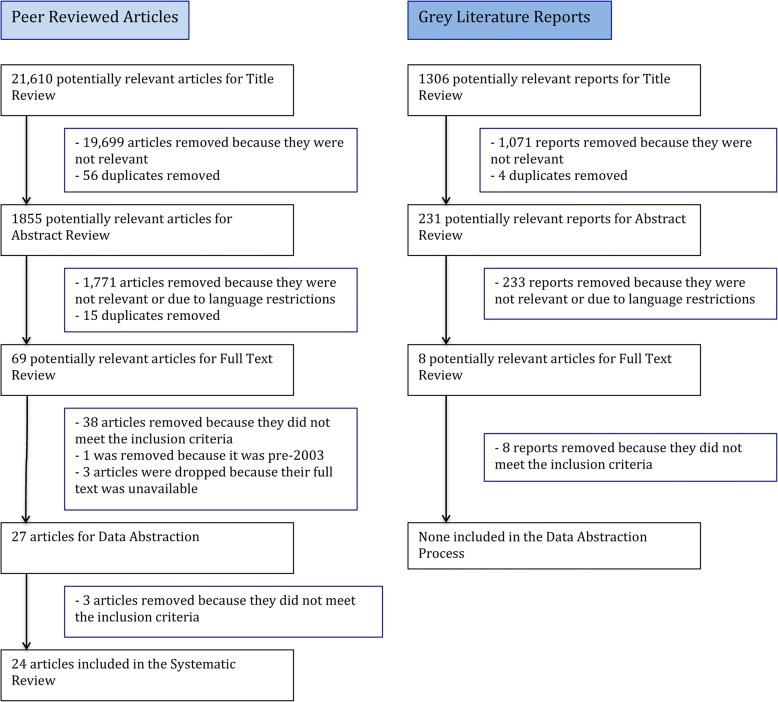
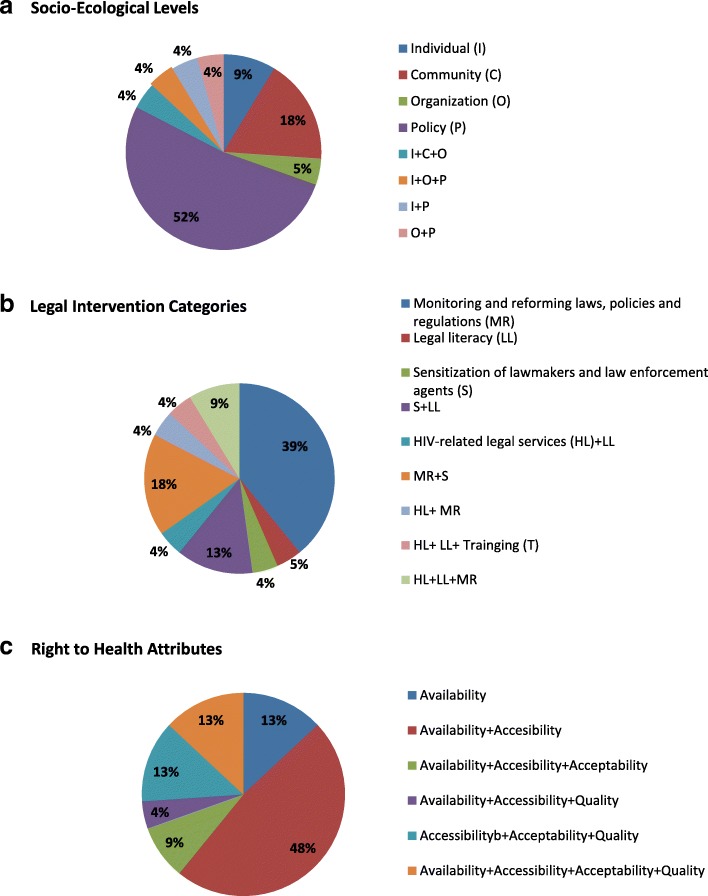
Results: Of 31,861 peer-reviewed articles and reports identified, 23 were included in our review representing 15 different populations across 11 countries. Most studies (83%) reported a positive influence of human rights interventions on HIV-related outcomes. The majority incorporated two or more principles of the human rights-based approach, typically non-discrimination and accountability, and sought to influence two or more elements of the right to health, namely availability and acceptability. Outcome measures varied considerably, making comparisons between studies difficult.
Conclusion: Our review revealed encouraging evidence of human rights interventions enabling a comprehensive HIV response, yet critical gaps remain. The development of a research framework with standardized indicators is needed to advance the field. Promising interventions should be implemented on a larger scale and rigorously evaluated. Funding for methodologically sound evaluations of human rights interventions should match the demand for human rights-based and structural approaches to protect those most vulnerable from HIV infection.
Keywords: HIV; Human rights; Interventions; Legal; Structural; Systematic review.
Conflict of interest statement
Ethics approval and consent to participate
As a systematic review that did not collect information from human subjects, this review was deemed to not fall under the purview of the Institutional Review Boards at the International Center for Research on Women and the Johns Hopkins Bloomberg School of Public Health.
Consent for publication
Not applicable.
Competing interests
The authors declare that they have no competing interests.
Publisher’s Note
Springer Nature remains neutral with regard to jurisdictional claims in published maps and institutional affiliations.
Figures
References
-
- UNAIDS. Fast-track: ending the AIDS epidemic by 2030. Geneva: UN Joint Programme on HIV/AIDS (UNAIDS); 2014.
-
- Treves-Kagan S, Steward WT, Ntswane L, Haller R, Gilvydis JM, Gulati H, et al. Why increasing availability of ART is not enough: a rapid, community-based study on how HIV-related stigma impacts engagement to care in rural South Africa. BMC Public Health. 2016;16:87. doi: 10.1186/s12889-016-2753-2. - DOI - PMC - PubMed
-
- UNAIDS. UNAIDS terminology guidelines. Geneva: UN Joint Programme on HIV/AIDS (UNAIDS); 2015.
-
- World Health Organization. AIDS and sexually transmitted diseases. 2017. 9-22-2017.
Publication types
MeSH terms
LinkOut - more resources
Full Text Sources
Medical
