. 2019 Mar 4;10(3):216.
doi: 10.1038/s41419-019-1459-7.

Cryo-thermal therapy induces macrophage polarization for durable anti-tumor immunity

Affiliations

Cryo-thermal therapy induces macrophage polarization for durable anti-tumor immunity

Kun He et al. Cell Death Dis. .

Abstract

Many cancer therapies are being developed for the induction of durable anti-tumor immunity, especially for malignant tumors. The activation of antigen-presenting cells (APCs), including macrophages and dendritic cells (DCs), can bridge innate and adaptive immune responses against tumors. However, APCs have an immunosuppressive phenotype and reversing it for effective tumor-specific antigen presenting is critical in developing new cancer treatment strategies. We previously developed a novel cryo-thermal therapy to treat malignant melanoma in a mouse model; long-term survival and durable anti-tumor immunity were achieved, but the mechanism involved was unclear. This study revealed cryo-thermal therapy-induced macrophage polarization to the M1 phenotype and modulated the phenotypic and functional maturation of DCs with high expression of co-stimulatory molecules, increased pro-inflammatory cytokine production, and downregulated immuno-inhibitory molecule expression. Further, we observed CD4+ T-cell differentiation into Th1 and cytotoxic T-cell sub-lineages and generation of cytotoxic CD8+ T cells, in which M1 macrophage polarization had a direct, important role. The results indicated that cryo-thermal-induced macrophage polarization to the M1 phenotype was essential to mediate durable anti-tumor immunity, leading to long-term survival. Thus, cryo-thermal therapy is a promising strategy to reshape host immunosuppression, trigger persistent memory immunity for tumor eradication, and inhibit metastasis in the long term.


Conflict of interest statement

The authors declare that they have no conflict of interest.

Figures
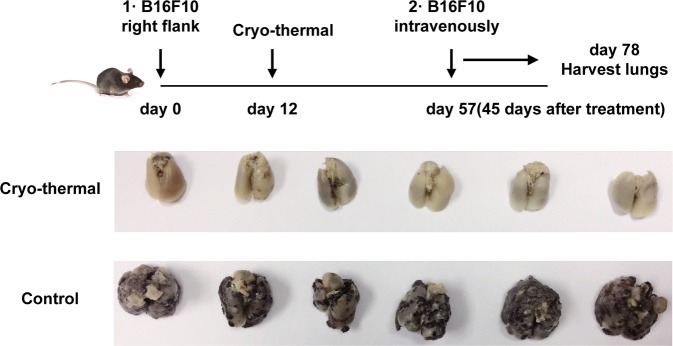
Fig. 1
Fig. 1. Cryo-thermal therapy protected mice from pulmonary metastatic B16F10 tumors.
Photographic images of lungs from cryo-thermal-treated and B16F10 tumor-bearing mice, respectively. Upper: schematic of experimental design. Lower: photographic images of lungs
Fig. 2
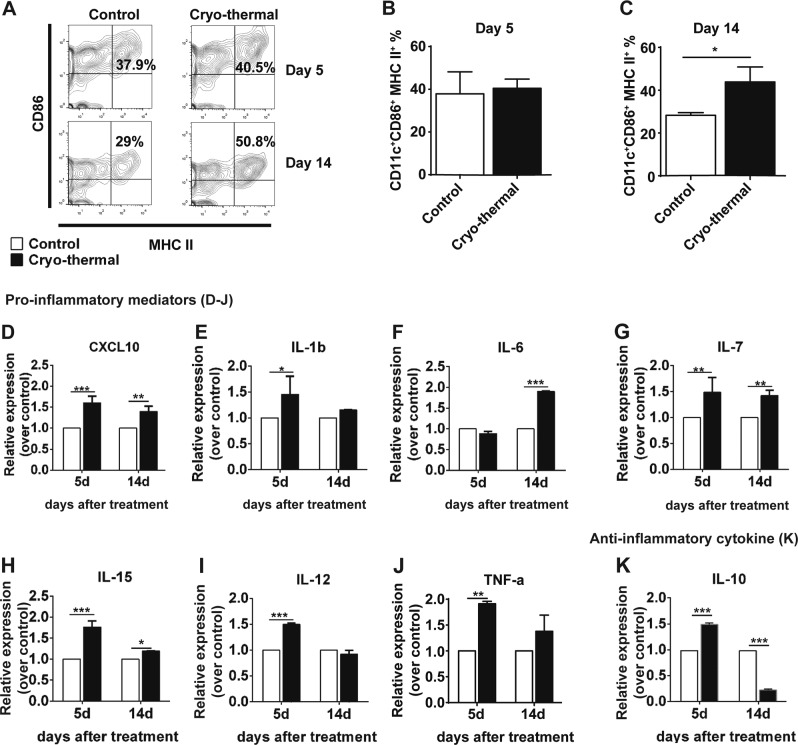
Fig. 2. Cryo-thermal therapy induced phenotypically maturation of splenic DCs.
The phenotype of immune cells collected from the spleen in the treated mice by cryo-thermal therapy and untreated tumor-bearing mice on day 5 and 14 were analyzed by flow cytometry. ac Percentage of CD11c+CD86+MHC II+ DCs on day 5 and 14 were analyzed by flow cytometry; all data was shown as mean ± SD. n = 6 per group. Data for bar graphs were calculated using Student’s t-test. *p < 0.05. Total RNA was isolated from splenic CD11c+ DCs (purified from splenocytes using micro-bead kit) in cryo-thermal-treated mice on day 5 and 14. The mRNA in splenic CD11c+ DCs from tumor-bearing mice on day 17 and 26 after tumor inoculation was used as control. The expression level of CXCL10 (d), IL-1β (e), IL-6 (f), IL-7(g), IL-15(h), IL-12p40(i), TNF-α (j), and IL-10 (k). Data were shown as mean ± SD. Data for bar graphs were calculated using two-way ANOVA. *p < 0.05; **p < 0.01; ***p < 0.001. IL-12 refer to IL-12p40 in the figure
Fig. 3
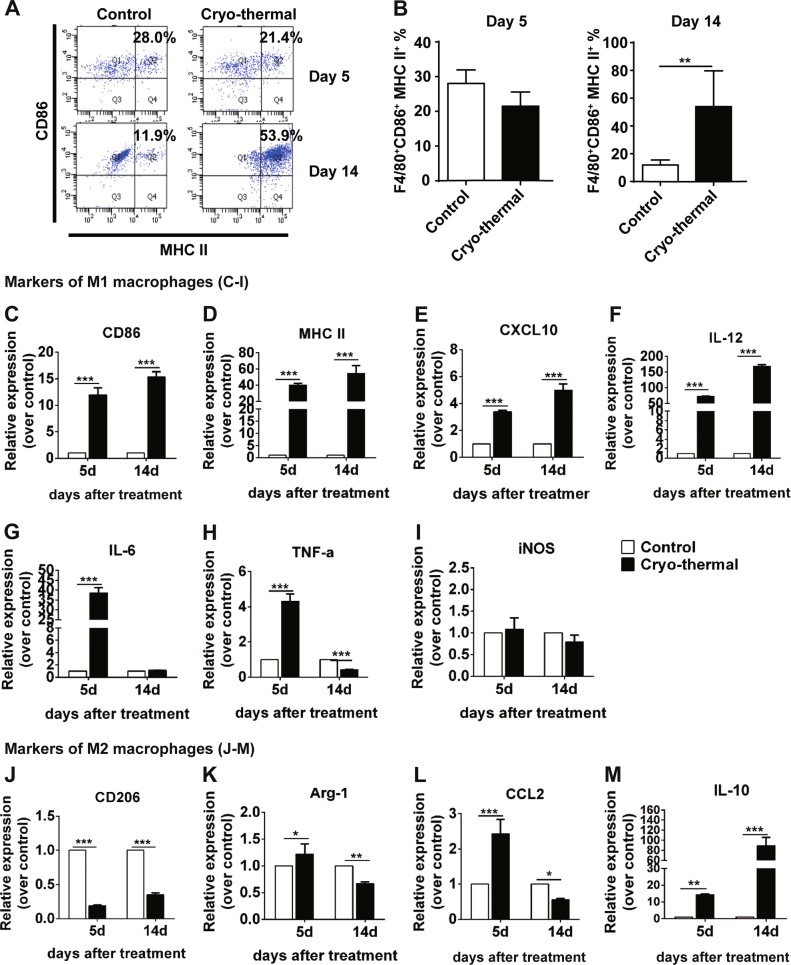
Fig. 3. Cryo-thermal therapy re-educated immunosuppressive macrophages phenotypically.
The phenotype of immune cells collected from the spleen in cryo-thermal-treated mice and untreated tumor-bearing mice on day 5 and 14 were analyzed by flow cytometry. ab Percentage of CD11b+F4/80+CD86+MHC II+ macrophages on day 5 and 14 were analyzed by flow cytometry. All data was shown as mean ± SD. n = 6 per group. Data for bar graphs were calculated using Student’s t-test. **p < 0.01. Total RNA was isolated from splenic CD68+ macrophages (purified from splenocytes using micro-bead kit) in cryo-thermal-treated mice on day 5 and 14. The mRNA in splenic CD68+ macrophages from tumor-bearing mice on day 17 and 26 after tumor inoculation was used as control. The mRNA level of CD86 (c), MHC II (d), CXCL10 (e), IL-12p40 (F), IL-6 (g), TNF-α (h), iNOS (i), CD206 (j), Arg-1 (k), CCL2 (l), and IL-10 (m). Data were shown as mean ± SD. Data for bar graphs was calculated using two-way ANOVA. *p < 0.05; **p < 0.01; ***p < 0.001. IL-12 refer to IL-12p40 in the figure
Fig. 4
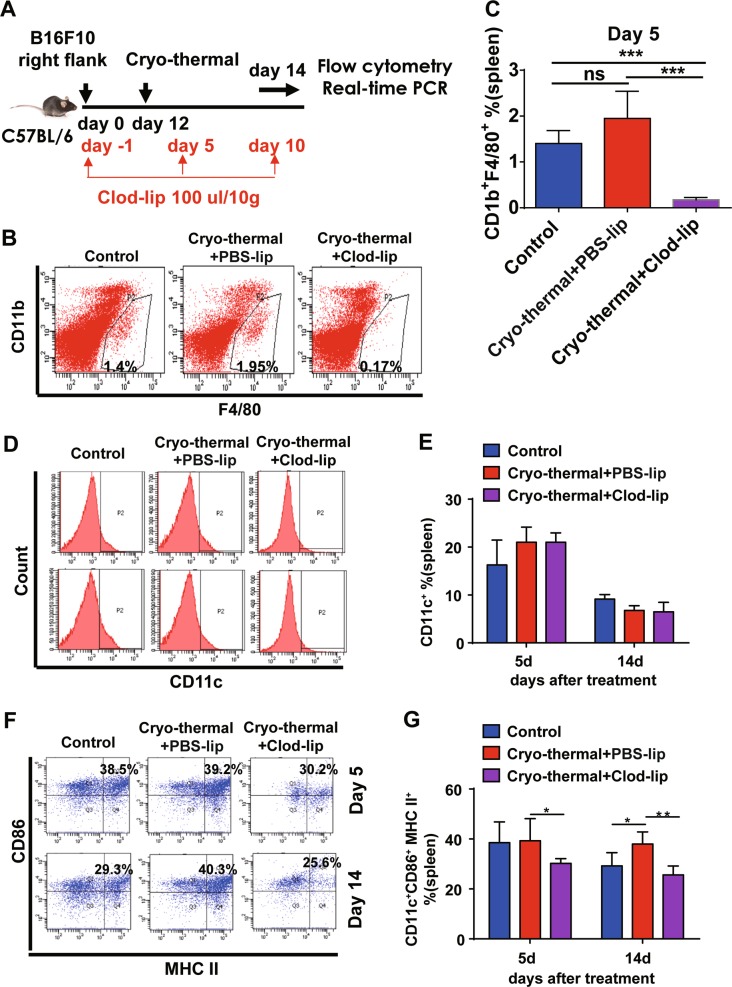
Fig. 4. Cryo-thermal-re-educated macrophages remodeled host immune environment.
a Schematic of experimental design. b, c The efficiency of macrophage depletion was assessed by flow cytometry assay. Data were shown as mean ± SD. n = 6 per group. ***p < 0.001. Data for bar graphs were calculated using one-way ANOVA. dg The splenocytes were collected from the mice in cryo-thermal + PBS-lip, cryo-thermal + Clod-lip, and control groups, then the population of CD11c+ cells and percentage of CD86+MHC II+ DCs (gated on CD11c+ cells shown in d) on day 5 and 14 were analyzed by flow cytometry. All data were shown as mean ± SD. n = 6 per group. *p < 0.05 or **p < 0.01. Data for bar graphs were calculated using two-way ANOVA
Fig. 5
Fig. 5. Cryo-thermal-re-educated macrophages remodeled host immune environment (continued).
a, b The splenocytes were collected from the mice in cryo-thermal + PBS-lip, cryo-thermal + Clod-lip, and control groups, then the percentage of CD3+CD4+ T cells on day 5 and 14 were analyzed by flow cytometry. All data were shown as mean ± SD. n = 6 per group. **p < 0.01 or ***p < 0.001. Data for bar graphs were calculated using two-way ANOVA. c The level of thPOK (for CD4-CTL cells), IFN-γ (for Th1 cells), IL-4 (for Th2 cells), IL-17 (for Th17 cells), Bcl-6 (for Tfh cells), and FoxP3 (for Treg cells) in splenic CD4+ T cells were examined by flow cytometry. Data were shown as mean ± SD. Data for bar graphs were calculated using two-way ANOVA. *p < 0.05 or **p < 0.01, or ***p < 0.001
Fig. 6
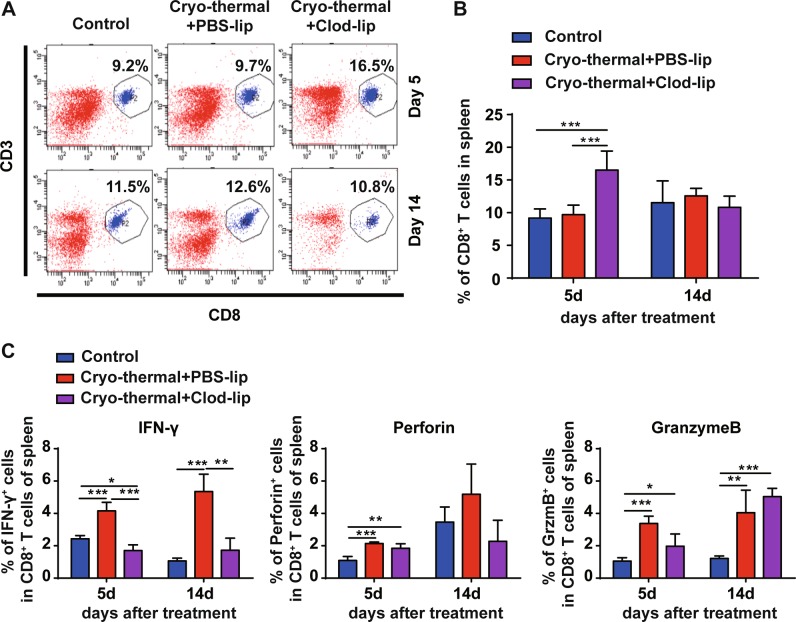
Fig. 6. Cryo-thermal-re-educated macrophages remodeled host immune environment (continued).
a, b The splenocytes were collected from the mice in cryo-thermal + PBS-lip, cryo-thermal + Clod-lip, and control groups, then the percentage of CD3+CD8+ T cells on day 5 and 14 were analyzed by flow cytometry. All data were shown as mean ± SD. n = 6 per group. ***p < 0.001, cryo-thermal + Clod-lip group compared with other groups. Data for bar graphs were calculated using two-way ANOVA. c The level of IFN-γ, perforin, granzyme-B in splenic CD8+ T cells were examined by flow cytometry. Data were shown as mean ± SD. Data for bar graphs were calculated using two-way ANOVA. *p < 0.05 or **p < 0.01, or ***p < 0.001
Fig. 7
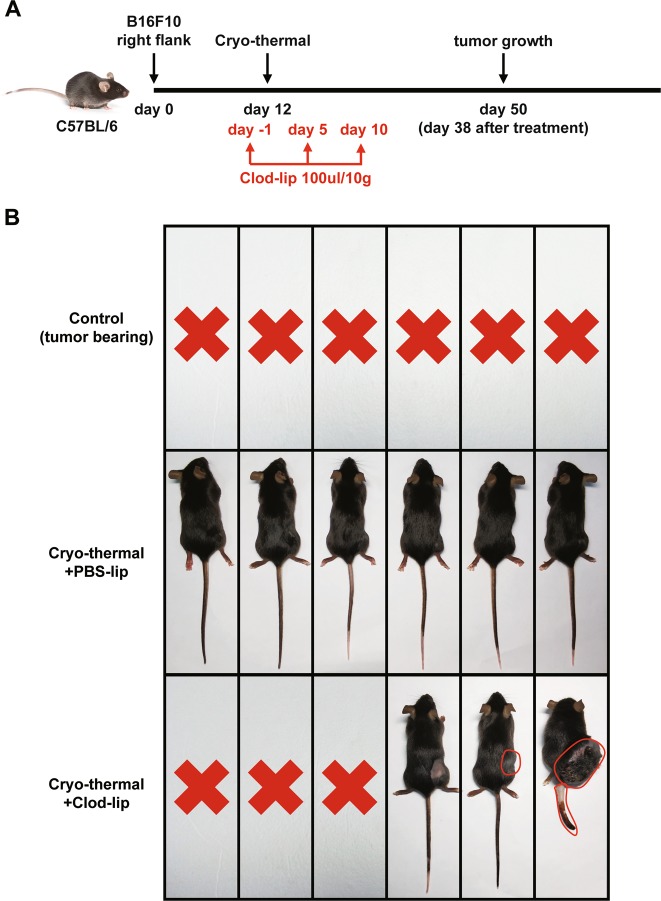
Fig. 7. Cryo-thermal-induced macrophage polarization to the M1 phenotype was crucial for triggering anti-tumor memory immunity.
a Schematic of experimental design. Macrophage depletion was achieved by intraperitoneal injection of Clod-lip (red arrows indicated Clod-lip injection) on day 1 before cryo-thermal therapy and on day 5, 10 after cryo-thermal therapy, respectively. The tumor growth was tracked on day 50 after tumor inoculation (38 days after the cryo-thermal therapy). b Photographic images of tumor growth in cryo-thermal + PBS-lip, cryo-thermal + Clod-lip, and control groups
Fig. 8
Fig. 8
Schematic representation of cryo-thermal therapy drove macrophages polarization toward M1 phenotype that remodeled host immune environment triggering the durable anti-tumor memory immunity. Cryo-thermal therapy triggered the macrophage polarization towards M1 phenotype. Cryo-thermal therapy also induced the phenotype and functional maturation of DCs. Moreover, cryo-thermal-induced M1 polarization macrophage could trigger DC maturation, CD4+ T cell differentiation into Th1 and CTL sublineages, and the generation of cytotoxic CD8+ T cells, which lead to long-lasting adaptive immune-mediated inhibition of distant lung metastases

References

    1. Michelle Xu M, Pu Y, Weichselbaum RR, Fu YX. Integrating conventional and antibody-based targeted anticancer treatment into immunotherapy. Oncogene. 2017;36:585–592. doi: 10.1038/onc.2016.231. - DOI - PMC - PubMed
    1. Schreiber RD, Old LJ, Smyth MJ. Cancer immunoediting: integrating immunity’s roles in cancer suppression and promotion. Science (New York, NY) 2011;331:1565–1570. doi: 10.1126/science.1203486. - DOI - PubMed
    1. Gajewski TF, et al. Immune resistance orchestrated by the tumor microenvironment. Immunol. Rev. 2006;213:131–145. doi: 10.1111/j.1600-065X.2006.00442.x. - DOI - PubMed
    1. Wang RF. A special issue on cancer immunotherapy. Cell Res. 2017;27:1–2. doi: 10.1038/cr.2017.1. - DOI - PMC - PubMed
    1. Wang RF, Wang HY. Immune targets and neoantigens for cancer immunotherapy and precision medicine. Cell Res. 2017;27:11–37. doi: 10.1038/cr.2016.155. - DOI - PMC - PubMed

Publication types