


Lifelong Football Training: Effects on Autophagy and Healthy Longevity Promotion
- PMID: 30837897
- PMCID: PMC6390296
- DOI: 10.3389/fphys.2019.00132
Lifelong Football Training: Effects on Autophagy and Healthy Longevity Promotion
Abstract
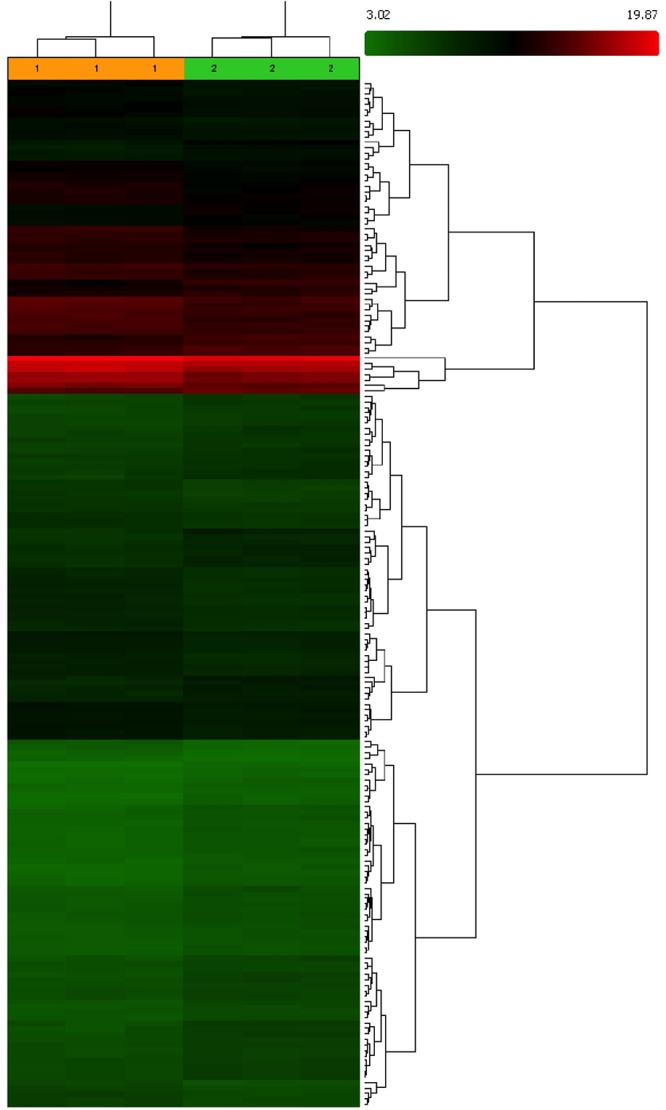
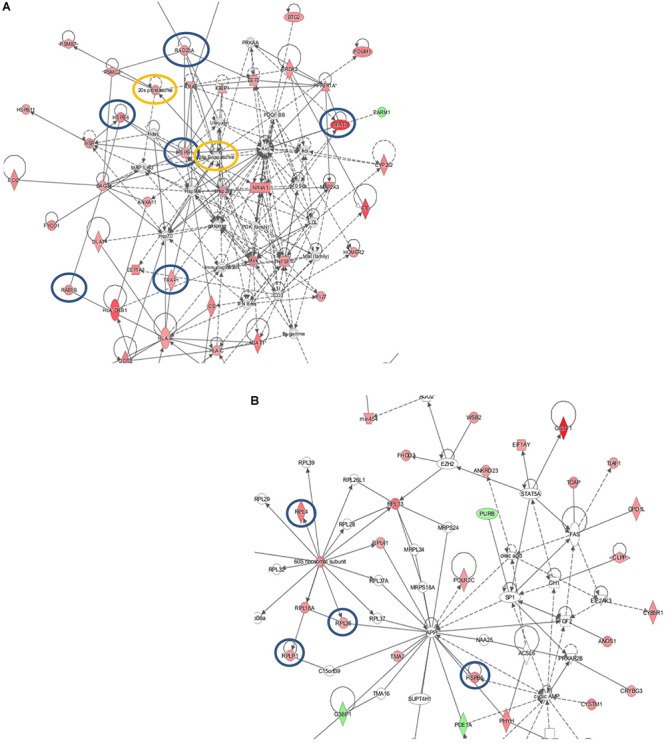
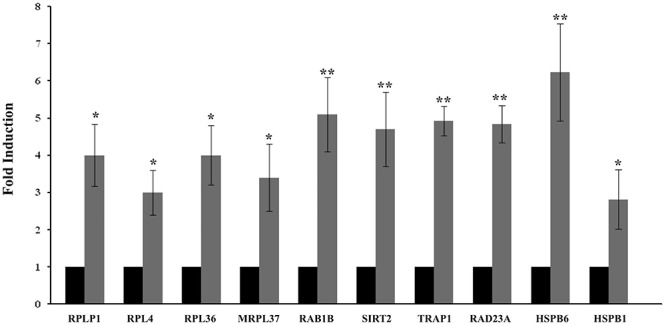
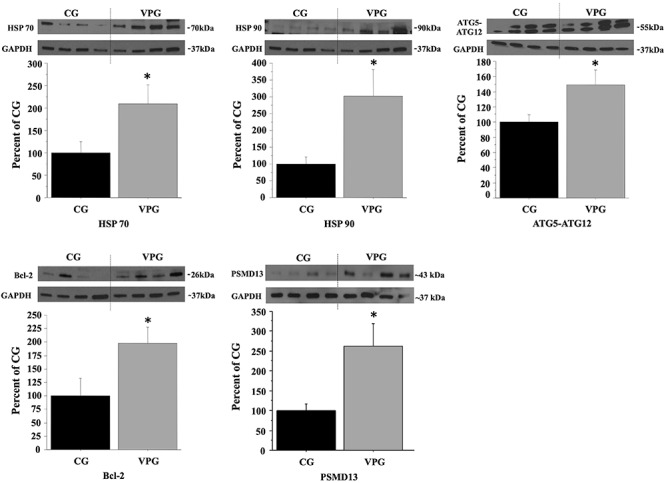
Aging is a physiological process characterized by a progressive decline of biological functions and an increase in destructive processes in cells and organs. Physical activity and exercise positively affects the expression of skeletal muscle markers involved in longevity pathways. Recently, a new mechanism, autophagy, was introduced to the adaptations induced by acute and chronic exercise as responsible of positive metabolic modification and health-longevity promotion. However, the molecular mechanisms regulating autophagy in response to physical activity and exercise are sparsely described. We investigated the long-term adaptations resulting from lifelong recreational football training on the expression of skeletal muscle markers involved in autophagy signaling. We demonstrated that lifelong football training increased the expression of messengers: RAD23A, HSPB6, RAB1B, TRAP1, SIRT2, and HSBPB1, involved in the auto-lysosomal and proteasome-mediated protein degradation machinery; of RPL1, RPL4, RPL36, MRLP37, involved in cellular growth and differentiation processes; of the Bcl-2, HSP70, HSP90, PSMD13, and of the ATG5-ATG12 protein complex, involved in proteasome promotion and autophagy processes in muscle samples from lifelong trained subjects compared to age-matched untrained controls. In conclusion, our results indicated that lifelong football training positively influence exercise-induced autophagy processes and protein quality control in skeletal muscle, thus promoting healthy aging.
Keywords: autophagy; cardiovascular capacity; football; lifelong training; longevity.
Figures
References
-
- Andersen T. R., Schmidt J. F., Pedersen M. T., Krustrup P., Bangsbo J. (2016). The effects of 52 weeks of soccer or resistance training on body composition and muscle function in +65-year-old healthy males–a randomized controlled trial. PLoS One 11:e0148236. 10.1371/journal.pone.0148236 - DOI - PMC - PubMed
-
- Andersen T. R., Schmidt J. F., Thomassen M., Hornstrup T., Frandsen U., Randers M. B., et al. (2014). A preliminary study: effects of football training on glucose control, body composition, and performance in men with type 2 diabetes. Scand. J. Med. Sci. Sports 24 43–56. 10.1111/sms.12259 - DOI - PubMed
-
- Bangsbo J., Hansen P. R., Dvorak J., Krustrup P. (2015). Recreational football for disease prevention and treatment in untrained men: a narrative review examining cardiovascular health, lipid profile, body composition, muscle strength and functional capacity. Br. J. Sports Med. 49 568–576. 10.1136/bjsports-2015-094781 - DOI - PMC - PubMed
LinkOut - more resources
Full Text Sources
Molecular Biology Databases
Miscellaneous
