. 2019 May;597(9):2421-2444.
doi: 10.1113/JP277657. Epub 2019 Mar 28.

Cycling with blood flow restriction improves performance and muscle K+ regulation and alters the effect of anti-oxidant infusion in humans

Affiliations

Cycling with blood flow restriction improves performance and muscle K+ regulation and alters the effect of anti-oxidant infusion in humans

Danny Christiansen et al. J Physiol. 2019 May.

Abstract

Key points: Training with blood flow restriction (BFR) is a well-recognized strategy for promoting muscle hypertrophy and strength. However, its potential to enhance muscle function during sustained, intense exercise remains largely unexplored. In the present study, we report that interval training with BFR augments improvements in performance and reduces net K+ release from contracting muscles during high-intensity exercise in active men. A better K+ regulation after BFR-training is associated with an elevated blood flow to exercising muscles and altered muscle anti-oxidant function, as indicated by a higher reduced to oxidized glutathione (GSH:GSSG) ratio, compared to control, as well as an increased thigh net K+ release during intense exercise with concomitant anti-oxidant infusion. Training with BFR also invoked fibre type-specific adaptations in the abundance of Na+ ,K+ -ATPase isoforms (α1 , β1 , phospholemman/FXYD1). Thus, BFR-training enhances performance and K+ regulation during intense exercise, which may be a result of adaptations in anti-oxidant function, blood flow and Na+ ,K+ -ATPase-isoform abundance at the fibre-type level.

Abstract: We examined whether blood flow restriction (BFR) augments training-induced improvements in K+ regulation and performance during intense exercise in men, and also whether these adaptations are associated with an altered muscle anti-oxidant function, blood flow and/or with fibre type-dependent changes in Na+ ,K+ -ATPase-isoform abundance. Ten recreationally-active men (25 ± 4 years, 49.7 ± 5.3 mL kg-1 min-1 ) performed 6 weeks of interval cycling, where one leg trained without BFR (control; CON-leg) and the other trained with BFR (BFR-leg, pressure: ∼180 mmHg). Before and after training, femoral arterial and venous K+ concentrations and artery blood flow were measured during single-leg knee-extensor exercise at 25% (Ex1) and 90% of thigh incremental peak power (Ex2) with i.v. infusion of N-acetylcysteine (NAC) or placebo (saline) and a resting muscle biopsy was collected. After training, performance increased more in BFR-leg (23%) than in CON-leg (12%, P < 0.05), whereas K+ release during Ex2 was attenuated only from BFR-leg (P < 0.05). The muscle GSH:GSSG ratio at rest and blood flow during exercise was higher in BFR-leg than in CON-leg after training (P < 0.05). After training, NAC increased resting muscle GSH concentration and thigh net K+ release during Ex2 only in BFR-leg (P < 0.05), whereas the abundance of Na+ ,K+ -ATPase-isoform α1 in type II (51%), β1 in type I (33%), and FXYD1 in type I (108%) and type II (60%) fibres was higher in BFR-leg than in CON-leg (P < 0.05). Thus, training with BFR elicited greater improvements in performance and reduced thigh K+ release during intense exercise, which were associated with adaptations in muscle anti-oxidant function, blood flow and Na+ ,K+ -ATPase-isoform abundance at the fibre-type level.

Keywords: Blood flow restriction training; N-acetylcysteine; Na+,K+-ATPase; antioxidant; fibre type; human muscle; ion transport; reactive oxygen species; single fibre.


Figures

Figure 1
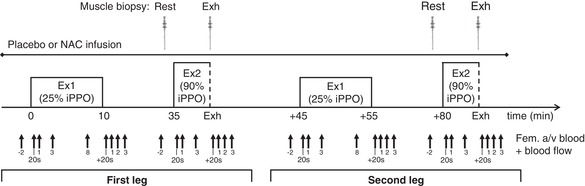
Figure 1. Illustration of the experimental day
Participants performed two exercise sets with each leg in the knee‐extensor exercise model in a randomized order. Each set consisted of a 10 min exercise bout at 25% iPPO (Ex1), followed by an exhaustive bout at 90% of pre‐training iPPO (Ex2). During the first set, saline (placebo) was i.v. infused, whereas the anti‐oxidant NAC was infused during the second set after 45 min of rest. Blood was sampled from the femoral artery and vein (Fem. a/v blood) of the active leg and femoral arterial blood flow was measured over the same leg at the time points indicated. A muscle biopsy was obtained at rest (Rest) and at exhaustion from Ex2 (Exh) from each leg before and after the intervention. Only resting samples were used for analysis in the present study.
Figure 2
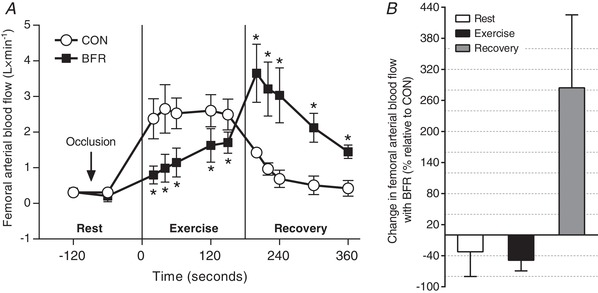
Figure 2. Acute effects of BFR on thigh blood flow
A, femoral arterial blood flow at rest, as well as during exercise and in recovery, without (CON, white symbols) or with (BFR, red symbols) a cuff inflated to ∼178 mmHg around the most proximal part of the leg (n = 5). * P < 0.001, different from CON. B, percentage change in flow induced by BFR compared to CON. Data are expressed as the mean ± 95% CI.
Figure 3
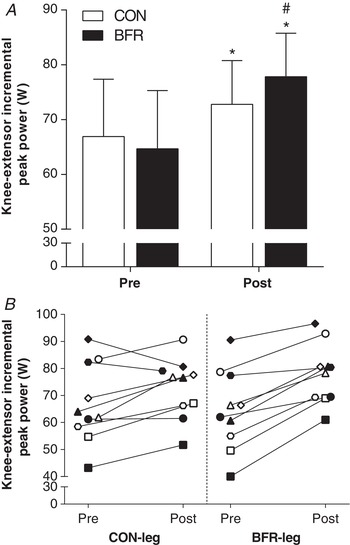
Figure 3. Effect of training with BFR on performance during single‐leg exercise
A, knee‐extensor incremental peak aerobic power output (iPPO) for the control (CON; n = 10) and BFR‐trained leg (BFR; n = 10) before (Pre, white bars) and after (Post, black bars) training. B, individual changes in iPPO for CON and BFR, with each symbol representing the same individual. * P < 0.05, different from Pre. # P < 0.05, different from CON for the change from Pre to Post. Data are expressed as the mean ± 95% CI (A) or absolute values (B).
Figure 4
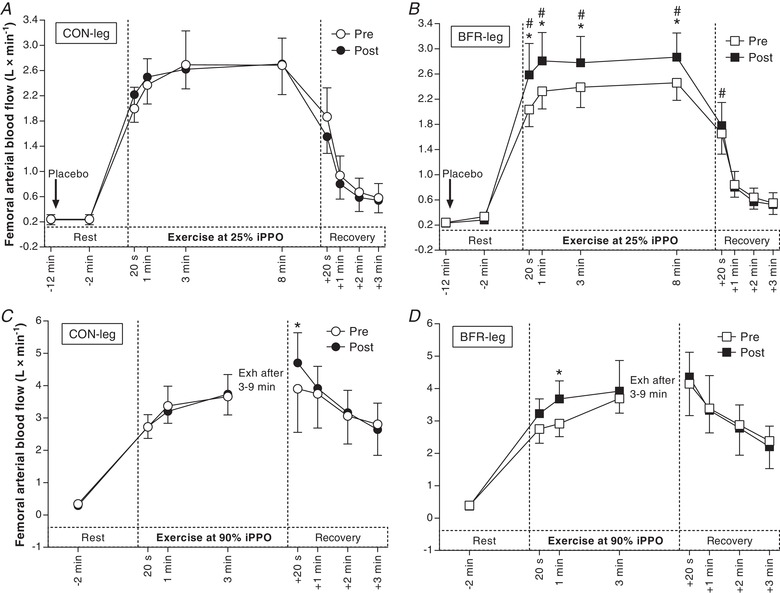
Figure 4. Effect of training with BFR on thigh blood flow during exercise
A, blood flow in the leg that trained without BFR (CON‐leg, circles) during exercise at 25% iPPO before (Pre, white symbols) and after (Post, black symbols) training. B, blood flow in the leg that trained with BFR (BFR‐leg, squares) during exercise at the same intensity. C, blood flow in CON‐leg during exercise at 90% iPPO to exhaustion (Exh). D, blood flow in BFR‐leg during exercise at the same intensity (n = 10). The arrow indicates the start of infusion. * P < 0.05, different from Pre. #P < 0.05, greater increase from Pre to Post compared to CON‐leg. Data are expressed as the mean ± 95% CI.
Figure 5
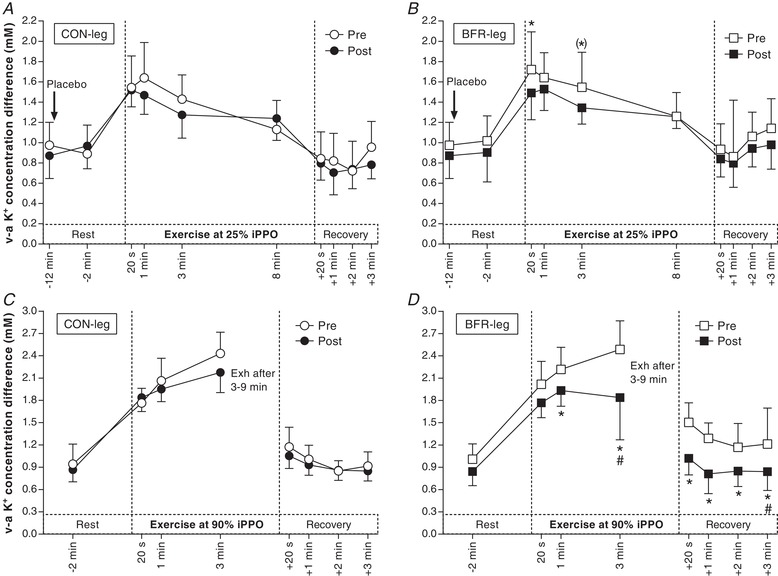
Figure 5. Effect of training with BFR on venous–arterial (v–a) K+ difference during exercise
A, v–a K+ difference in the leg that trained without BFR (CON‐leg, circles) during exercise at 25% iPPO before (Pre, white symbols) and after (Post, black symbols) training. B, v–a K+ difference in the leg that trained with BFR (BFR‐leg, squares) during exercise at the same intensity. C, v–a K+ difference in CON‐leg during exercise at 90% iPPO to exhaustion (Exh). D, v–a K+ difference in BFR‐leg during exercise at the same intensity (n = 8). The arrow indicates the start of the infusion. * P < 0.05, different from Pre. (*)P = 0.065, different from Pre. #P < 0.05, greater decrease from Pre to Post compared to CON‐leg. Data are expressed as the mean ± 95% CI.
Figure 6
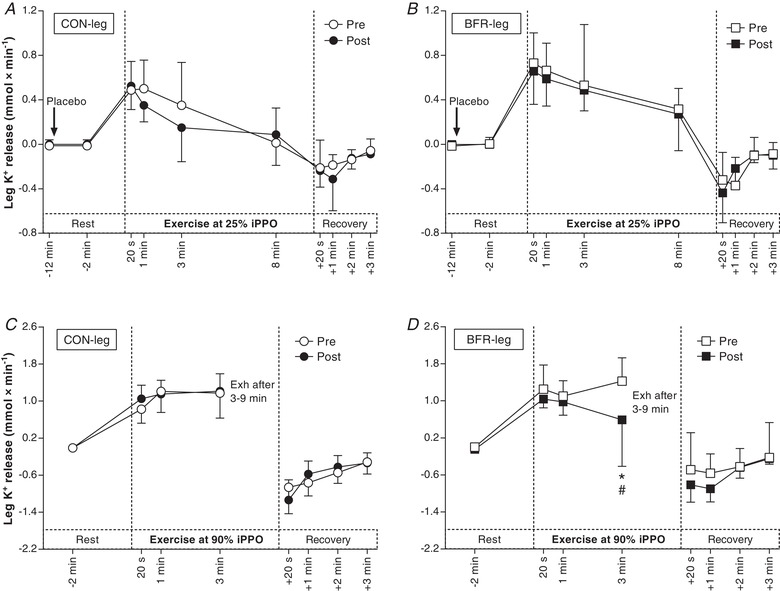
Figure 6. Effect of training with BFR on thigh net K+ release during exercise
A, K+ release from the leg that trained without BFR (CON‐leg, circles) during exercise at 25% iPPO before (Pre, white symbols) and after (Post, black symbols) training. B, K+ release from the leg that trained with BFR (BFR‐leg, squares) during exercise at the same intensity. C, K+ release from the CON‐leg during exercise at 90% iPPO to exhaustion (Exh). D, K+ release from BFR‐leg during exercise at the same intensity (n = 8). The arrow indicates the start of the infusion of saline. * P < 0.05, different from Pre. # P < 0.05, greater decrease from Pre to Post compared to CON‐leg. Data are expressed as the mean ± 95% CI.
Figure 7
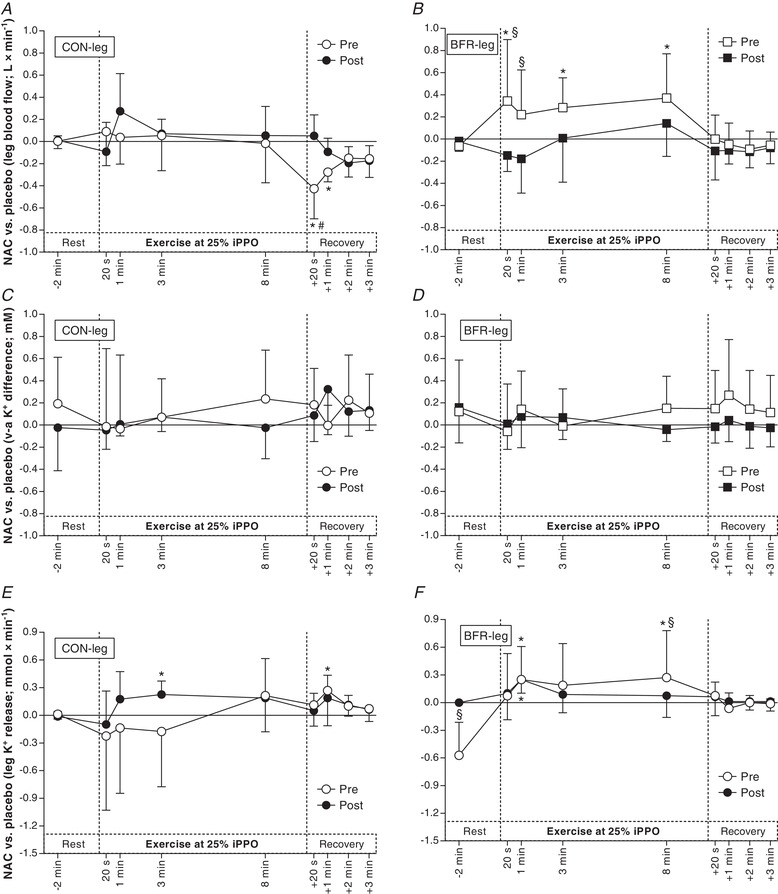
Figure 7. Effect of anti‐oxidant infusion on thigh blood flow, venous–arterial (v–a) K+ difference and net K+ release during exercise at 25% iPPO before and after training with BFR
Difference between NAC and saline (placebo) infusion in femoral arterial blood flow (A + B; n = 10), v–a K+ difference (C + D; n = 8) and thigh K+ release (E + F; n = 8) before (Pre, white) and after (Post, black) cycling without (CON‐leg, circles) or with BFR (BFR‐leg, squares). * P < 0.05, different from placebo. # P < 0.05, different from CON‐leg. § P < 0.05, different from Pre. Data are expressed as the mean ± 95% CI.
Figure 8
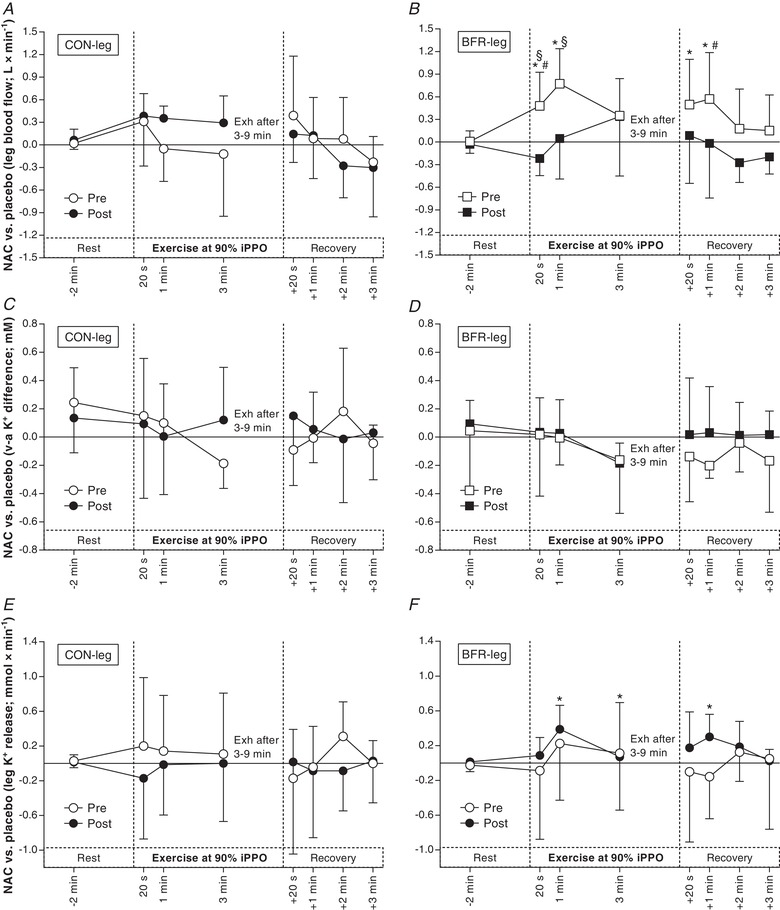
Figure 8. Effect of anti‐oxidant infusion on thigh blood flow, venous–arterial (v–a) K+ difference and net K+ release during exercise at 90% iPPO to exhaustion (Exh) before and after training with BFR
Difference between NAC and saline (placebo) infusion in femoral arterial blood flow (A + B; n = 10), v–a K+ difference (C + D; n = 8) and K+ release (E + F; n = 8) before (Pre, white) and after (Post, black) cycling without (CON‐leg, circles) or with BFR (BFR‐leg, squares). * P < 0.05, different from placebo. # P < 0.05, different from CON‐leg. § P < 0.05, different from Pre. Data are expressed as the mean ± 95% CI.
Figure 9
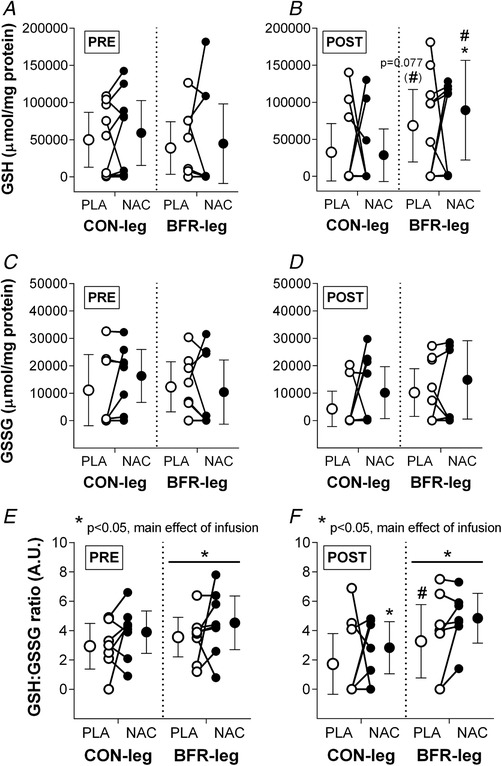
Figure 9. Effect of training with and without BFR and anti‐oxidant infusion on resting skeletal muscle glutathione status in men
Concentrations of reduced (GSH; A + B; n = 9 Pre and n = 10 Post) and oxidized glutathione (GSSG; C + D; n = 8 Pre and n = 9 Post) and GSH:GSSG ratio (E + F; n = 7 Pre and Post) before (Pre; open circles) and after (Post; solid circles) 6 weeks of cycling without (CON‐leg) or with BFR (BFR‐leg) either without (PLA) or with i.v. infusion of anti‐oxidant (NAC). Data are expressed as the mean ± 95% CI. Individual changes with training are shown. * P < 0.05, NAC different from PLA. # P < 0.05, different from CON‐leg at Post.
Figure 10
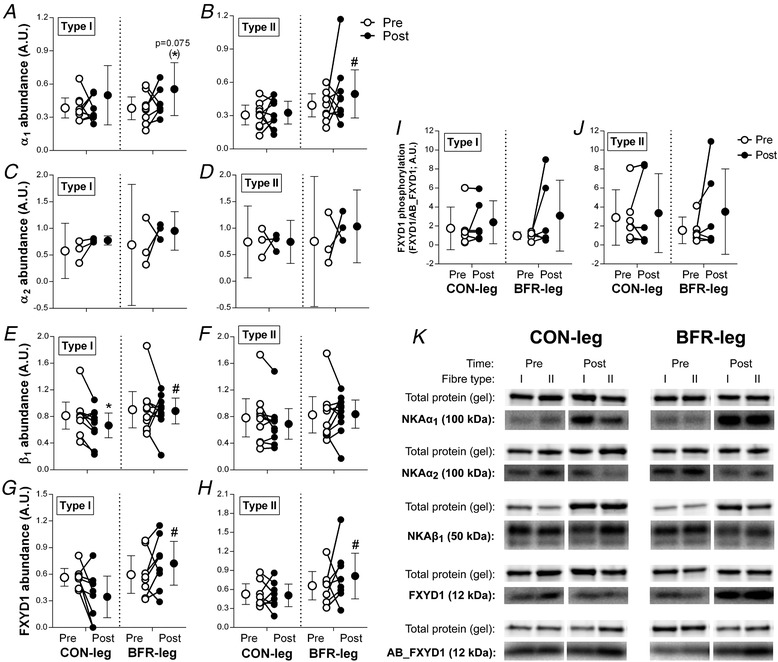
Figure 10. Effect of training with BFR on Na+,K+‐ATPase‐isoform abundance in type I and II muscle fibres of men
α1 (A + B; n = 9), α2 (C + D; n = 3), β1 (E + F; n = 10) and FXYD1 abundance (G + H; n = 9) and FXYD1 phosphorylation (FXYD1/AB_FXYD1; I + J; n = 6) was determined in type I and II muscle fibres from a leg cycling without (CON‐leg) or with BFR for 6 weeks both before (Pre, white bars) and after (Post, black bars) training. * P ≤ 0.05, different from Pre. # P ≤ 0.05, different from CON‐leg at Post. Data are expressed as the mean ± 95% CI. Individual changes with training are also indicated. Representative western blots for measured proteins are shown in (K). Total protein was determined as total protein content in each lane on the stain‐free gel image, represented here as the actin band.
Figure 11
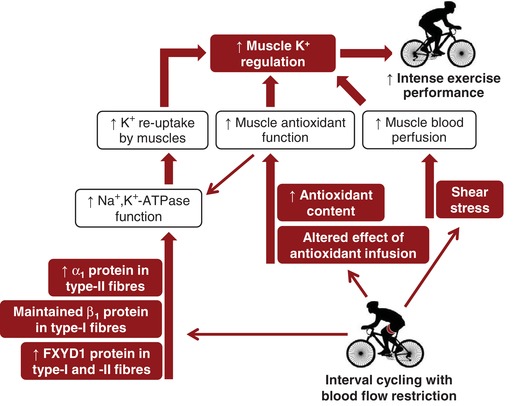
Figure 11. Proposed factors underlying improvements in muscle K+ regulation after training with BFR
Based on the present outcomes, several factors probably contribute to improve skeletal muscle K+ regulation after training with BFR, including fibre type‐specific adaptations in abundance of Na+,K+‐ATPase isoforms, and changes in muscle anti‐oxidant function and blood flow. [Color figure can be viewed at wileyonlinelibrary.com]

References

    1. Abe T, Fujita S, Nakajima T, Sakamaki M, Ozaki H, Ogasawara R, Sugaya M, Kudo M, Kurano M, Yasuda T, Sato Y, Ohshima H, Mukai C & Ishii N (2010). Effects of low‐intensity cycle training with restricted leg blood flow on thigh muscle volume and VO2MAX in young men. J Sports Sci Med 9, 452–458. - PMC - PubMed
    1. Andersen P & Saltin B (1985). Maximal perfusion of skeletal muscle in man. J Physiol 366, 233–249. - PMC - PubMed
    1. Aquilano K, Baldelli S & Ciriolo MR (2014). Glutathione: new roles in redox signaling for an old antioxidant. Front Pharmacol 5, 196‐196. - PMC - PubMed
    1. Bangsbo J, Krustrup P, Gonzalez‐Alonso J, Boushel R & Saltin B (2000). Muscle oxygen kinetics at onset of intense dynamic exercise in humans. Am J Physiol Regul Integr Comp Physiol 279, R899–R906. - PubMed
    1. Bibert S, Liu CC, Figtree GA, Garcia A, Hamilton EJ, Marassi FM, Sweadner KJ, Cornelius F, Geering K & Rasmussen HH (2011). FXYD proteins reverse inhibition of the Na+‐K+ pump mediated by glutathionylation of its beta1 subunit. J Biol Chem 286, 18562–18572. - PMC - PubMed

Publication types

MeSH terms