


Evaluation of a novel West Nile virus transmission control strategy that targets Culex tarsalis with endectocide-containing blood meals
- PMID: 30845250
- PMCID: PMC6424467
- DOI: 10.1371/journal.pntd.0007210
Evaluation of a novel West Nile virus transmission control strategy that targets Culex tarsalis with endectocide-containing blood meals
Abstract
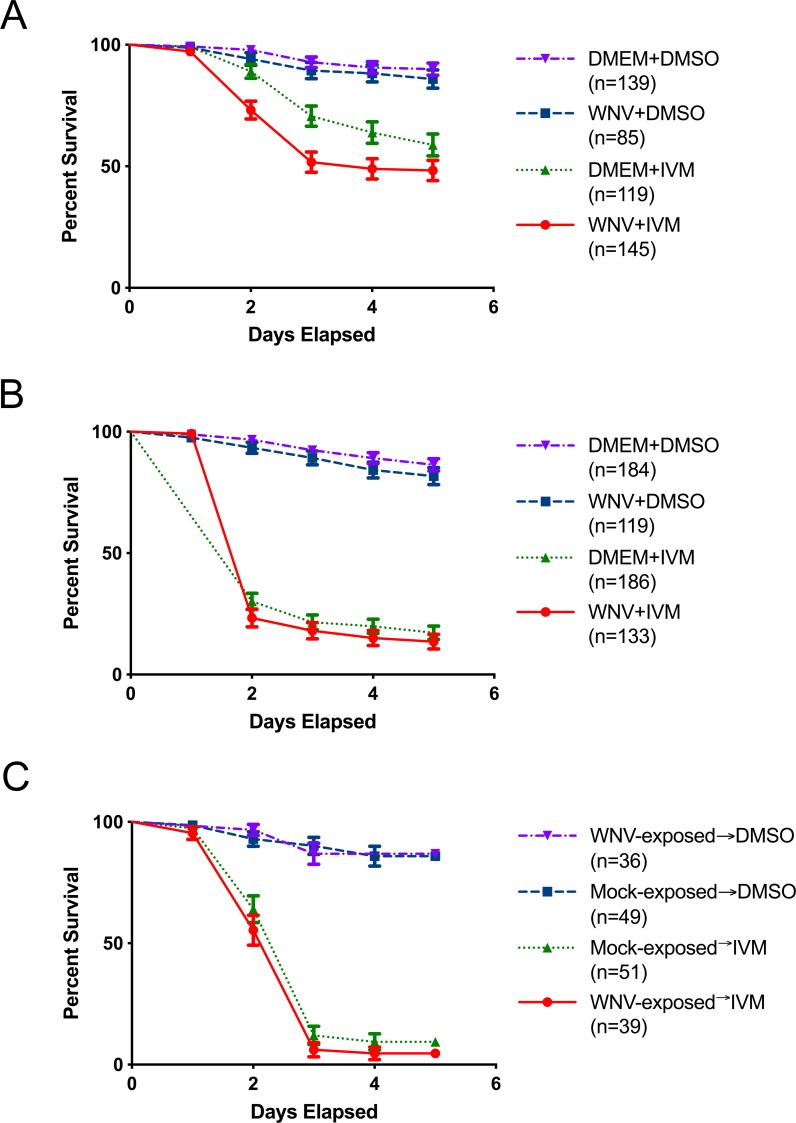
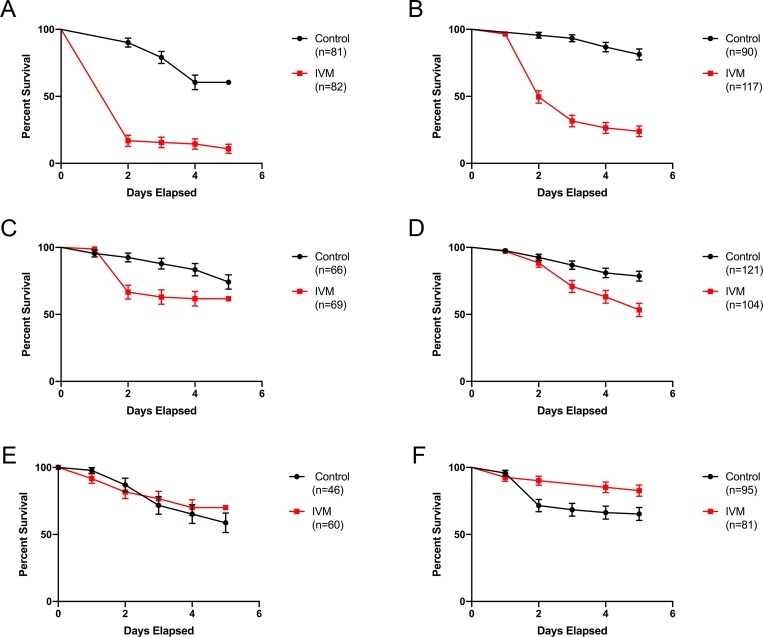
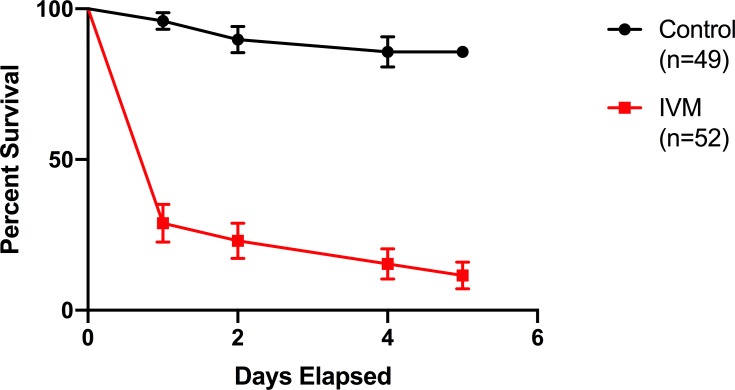
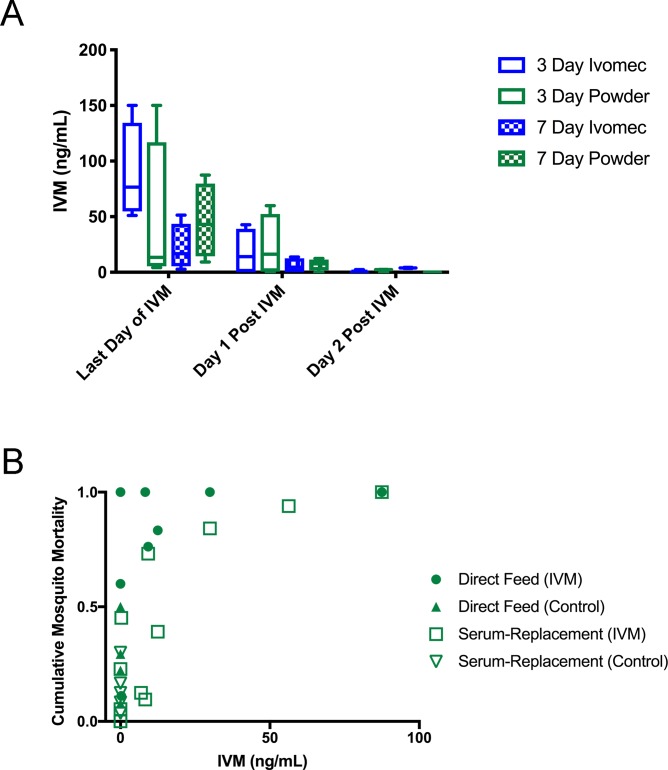
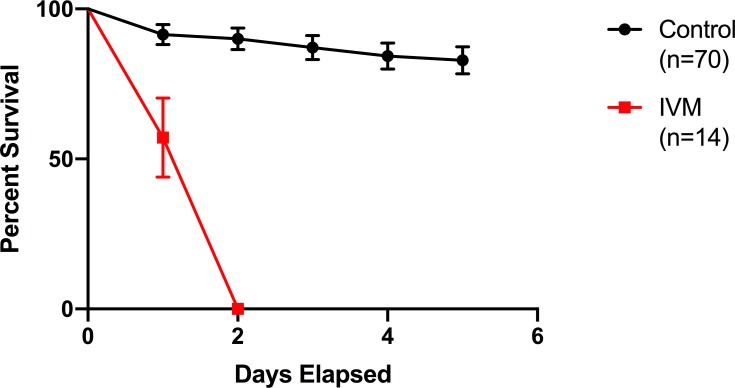
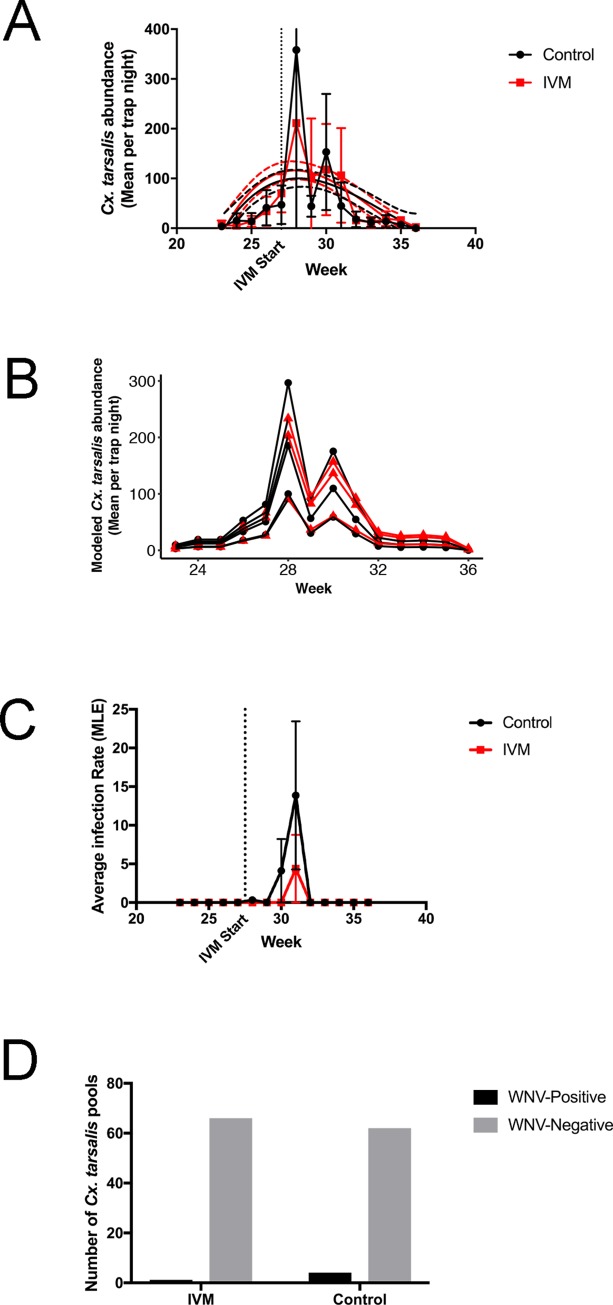
Control of arbovirus transmission remains focused on vector control through application of insecticides directly to the environment. However, these insecticide applications are often reactive interventions that can be poorly-targeted, inadequate for localized control during outbreaks, and opposed due to environmental and toxicity concerns. In this study, we developed endectocide-treated feed as a systemic endectocide for birds to target blood feeding Culex tarsalis, the primary West Nile virus (WNV) bridge vector in the western United States, and conducted preliminary tests on the effects of deploying this feed in the field. In lab tests, ivermectin (IVM) was the most effective endectocide tested against Cx. tarsalis and WNV-infection did not influence mosquito mortality from IVM. Chickens and wild Eurasian collared doves exhibited no signs of toxicity when fed solely on bird feed treated with concentrations up to 200 mg IVM/kg of diet, and significantly more Cx. tarsalis that blood fed on these birds died (greater than 80% mortality) compared to controls (less than 25% mortality). Mosquito mortality following blood feeding correlated with IVM serum concentrations at the time of blood feeding, which dropped rapidly after the withdrawal of treated feed. Preliminary field testing over one WNV season in Fort Collins, Colorado demonstrated that nearly all birds captured around treated bird feeders had detectable levels of IVM in their blood. However, entomological data showed that WNV transmission was non-significantly reduced around treated bird feeders. With further development, deployment of ivermectin-treated bird feed might be an effective, localized WNV transmission control tool.
Conflict of interest statement
I have read the journal's policy and the authors of this manuscript have the following competing interests: BDF through the Colorado State University Research Foundation, declares a pending patent application on ideas presented within this manuscript. BC and TDA Research, Inc. have no competing interests. All other authors have no competing interests to declare.
Figures
References
-
- Reimann CA, Hayes EB, Diguiseppi C, Hoffman R, Lehman JA, Lindsey NP, et al. Epidemiology of Neuroinvasive Arboviral Disease in the United States. Am J Trop Med Hyg. 2008;76(6):974–9. - PubMed
-
- Lindsey NP, Staples JE, Lehman JA, Fischer M, Centers for Disease Control and Prevention (CDC). Surveillance for human West Nile virus disease—United States, 1999–2008. MMWR Surveill Summ. 2010. April 2;59(2):1–17. - PubMed
-
- CDC. West Nile virus disease cases and deaths reported to CDC by year and clinical presentation, 1999–2015. 2016.
-
- Fox JL. Uncertainties in Tracking West Nile Virus Undermine Vaccine Development. Microbe Mag. 2015. March 1;10(3):98–9.
Publication types
MeSH terms
Substances
Grants and funding
LinkOut - more resources
Full Text Sources
Medical
Miscellaneous
