


Diabetic and cardiovascular patients' willingness to pay for upcoming national health insurance scheme in Côte d'Ivoire
- PMID: 30848393
- PMCID: PMC6734508
- DOI: 10.1186/s13561-019-0225-y
Diabetic and cardiovascular patients' willingness to pay for upcoming national health insurance scheme in Côte d'Ivoire
Abstract
Background: Côte d'Ivoire's current health care financing system results from successive reforms undertaken with government funding and international support. The country is moving towards a national compulsory health insurance scheme. This context offered an opportunity to study additional features of health insurance's potential market in Sub-Sahara Africa developing economy. This study examined patients' willingness to pay in order to get access to health care when it is needed.
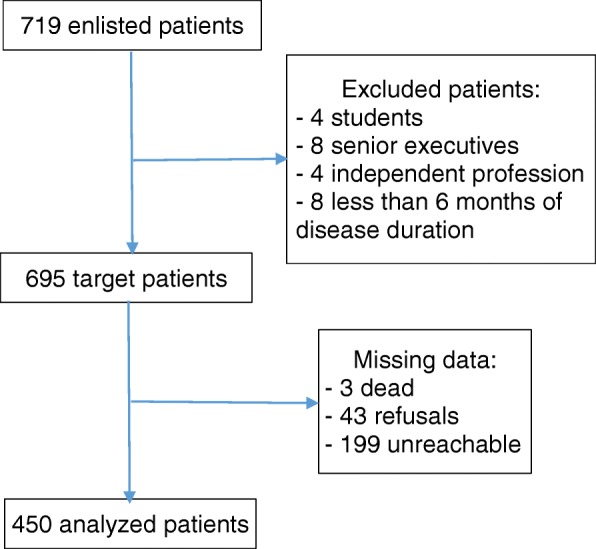
Methods: A cross-sectional study was carried out in four tertiary level teaching hospitals from October to December 2017. These hospitals are located in Bouake (service of cardiology) and in Abidjan (two services of Endocrinology-Diabetology and Institute of Cardiology). Monthly willingness to pay was elicited using the contingent valuation method through a bidding game pre-tested interviewer-administered questionnaire. Multinomial logistic regression analysis was performed to predict participants' willingness to pay.
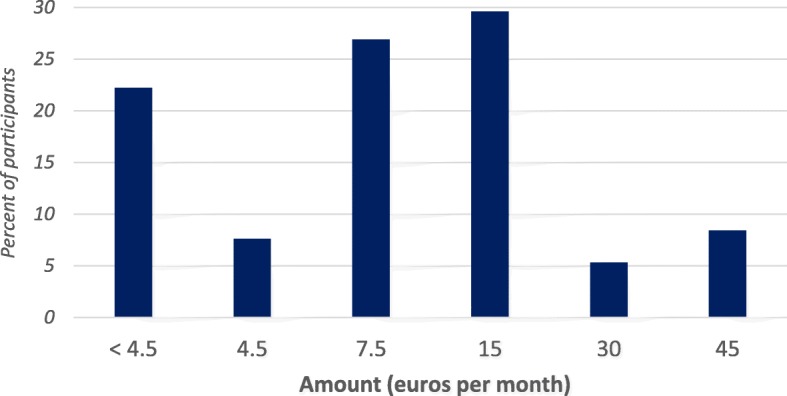
Results: Out of 450 participants included in the analysis, 22.2% were not willing to pay at least 4.5 euros per month while 7.6%, 26.9%, 29.6%, 5.3% and 8.4% stated to be willing to pay 4.5, 7.5, 15, 30, and 45 euros per month, respectively. Males were 2.3 and 2.5 times more likely to be willing to pay 4.5 or 7.5 and 30 or 45 euros, respectively. However, there was no statistically significant difference between males and females who stated being willing to pay a premium of 15 euros per month as compared to the participants in the reference modality, below 4.5 euros.
Conclusions: The findings indicated that the amount that participants were willing to pay is consistent with other previously elicited. The association of sex with the willingness to pay suggested what might influence the acceptability of and the contribution to the upcoming compulsory health insurance scheme. These pointed out that some market features have to be understood for a successful implementation of this social health insurance scheme.
Keywords: Cardiovascular diseases; Côte d’Ivoire; Diabetes; Health insurance scheme; West Africa; Willingness to pay.
Conflict of interest statement
The authors declare that they have no competing interests.
Figures
References
-
- WHO/AFRO. Report on the status of major health risk factors for noncommunicable diseases. Brazzaville: WHO African Region, 2015: World Health Organization Regional Office Africa; 2016.
-
- WHO. Global action plan for the prevention and control of noncommunicable diseases 2013–2020. Geneva: World Health Organization; 2013.
-
- Khatib R, McKee M, Shannon H, Chow C, Rangarajan S, Teo K, et al. Availability and affordability of cardiovascular disease medicines and their effect on use in high-income, middle-income, and low-income countries: an analysis of the PURE study data. Lancet. 2016;387(10013):61–69. doi: 10.1016/S0140-6736(15)00469-9. - DOI - PubMed
-
- World Health Organization, African Union. Universal health coverage in Africa: from concept to action: 1st African Ministers of Health meeting jointly convened by the AUC and WHO. Brazzaville: AUC/WHO/2014/Doc.1; 2014.
LinkOut - more resources
Full Text Sources
