


Quantitative evaluation of ontology design patterns for combining pathology and anatomy ontologies
- PMID: 30858527
- PMCID: PMC6411989
- DOI: 10.1038/s41598-019-40368-1
Quantitative evaluation of ontology design patterns for combining pathology and anatomy ontologies
Abstract
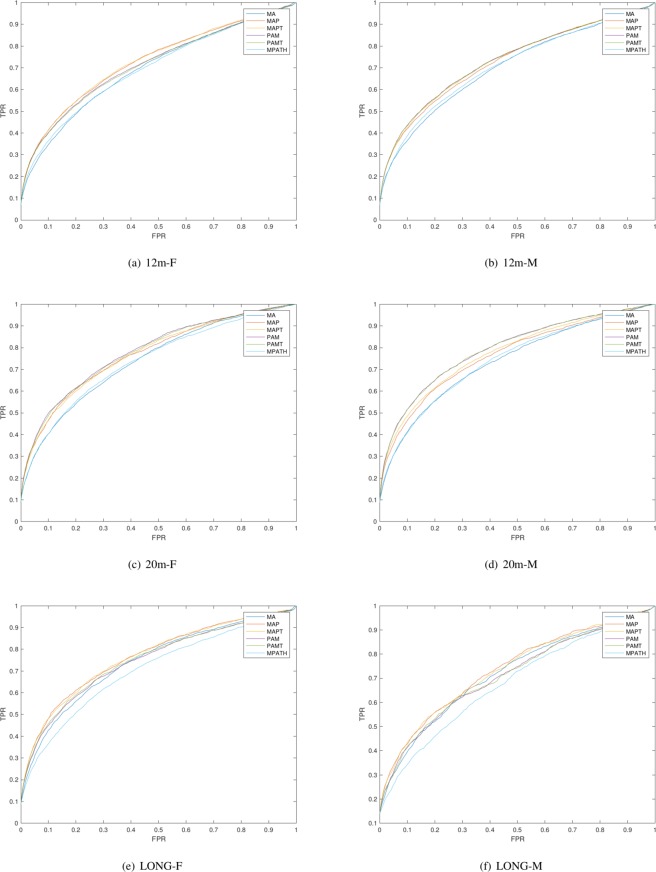
Data are increasingly annotated with multiple ontologies to capture rich information about the features of the subject under investigation. Analysis may be performed over each ontology separately, but recently there has been a move to combine multiple ontologies to provide more powerful analytical possibilities. However, it is often not clear how to combine ontologies or how to assess or evaluate the potential design patterns available. Here we use a large and well-characterized dataset of anatomic pathology descriptions from a major study of aging mice. We show how different design patterns based on the MPATH and MA ontologies provide orthogonal axes of analysis, and perform differently in over-representation and semantic similarity applications. We discuss how such a data-driven approach might be used generally to generate and evaluate ontology design patterns.
Conflict of interest statement
The authors declare no competing interests.
Figures
References
Publication types
MeSH terms
Grants and funding
LinkOut - more resources
Full Text Sources
Medical
Molecular Biology Databases
