


Patient blood management in obstetrics: prevention and treatment of postpartum haemorrhage. A NATA consensus statement
- PMID: 30865585
- PMCID: PMC6476742
- DOI: 10.2450/2019.0245-18
Patient blood management in obstetrics: prevention and treatment of postpartum haemorrhage. A NATA consensus statement
Abstract
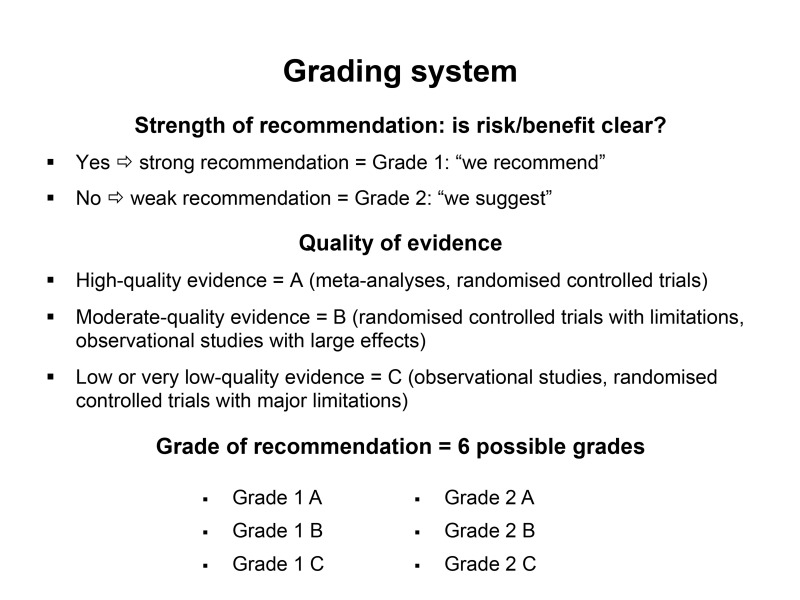
Patient blood management (PBM) is the timely application of evidence-informed medical and surgical concepts designed to maintain haemoglobin concentration, optimise haemostasis, and minimise blood loss in an effort to improve patient outcomes. The aim of this consensus statement is to provide recommendations on the prevention and treatment of postpartum haemorrhage as part of PBM in obstetrics. A multidisciplinary panel of physicians with expertise in obstetrics, anaesthesia, haematology, and transfusion medicine was convened by the Network for the Advancement of Patient Blood Management, Haemostasis and Thrombosis (NATA) in collaboration with the International Federation of Gynaecology and Obstetrics (FIGO), the European Board and College of Obstetrics and Gynaecology (EBCOG), and the European Society of Anaesthesiology (ESA). Members of the task force assessed the quantity, quality and consistency of the published evidence, and formulated recommendations using the system developed by the Grading of Recommendations Assessment, Development, and Evaluation (GRADE) working group. The recommendations in this consensus statement are intended for use by clinical practitioners managing perinatal care of women in all settings, and by policy-makers in charge of decision making for the update of clinical practice in health care establishments.
Conflict of interest statement
ASD-B has received consulting fees and research support from LFB. IF has received travel support for congress attendance and/or financial support for educational activities from Vifor Pharma, Fresenius Kabi and CSL Behring. MM has received funding for consultancies, lectures and/or travel from Vifor Pharma, Wellspect HealthCare, Pharmacosmos, Ferrer Pharma, CSL Behring, PharmaNutra and Zambon. SH has received speaker fees and consulting fees from CSL Behring and speaker fees from Vifor Pharma. CMS has received consulting fees from LFB and Octapharma. The other Authors have reported no conflicts of interest relevant to this article.
Figures
Comment in
-
Implementation of a patient blood management programme in obstetrics: let's do it!Blood Transfus. 2019 Mar;17(2):87-88. doi: 10.2450/2019.0269-18. Epub 2019 Feb 6. Blood Transfus. 2019. PMID: 31013248 Free PMC article. No abstract available.
References
-
- Muñoz M, Peña-Rosas JP, Robinson S, et al. Patient blood management in obstetrics: management of anaemia and haematinic deficiencies in pregnancy and in the post-partum period: NATA consensus statement. Transfus Med. 2018;28:22–39. - PubMed
-
- Guyatt GH, Cook DJ, Jaeschke R, et al. Grades of recommendation for antithrombotic agents: American College of Chest Physicians Evidence-Based Clinical Practice Guidelines (8th Edition) Chest. 2008;133:123S–31S. - PubMed
-
- Kozek-Langenecker SA, Afshari A, Albaladejo P, et al. Management of severe perioperative bleeding: Guidelines from the European Society of Anaesthesiology. Eur J Anaesthesiol. 2013;30:270–382. - PubMed
-
- Kozek-Langenecker SA, Ahmed AB, Afshari A, et al. Management of severe perioperative bleeding: guidelines from the European Society of Anaesthesiology: first update 2016. Eur J Anaesthesiol. 2017;34:332–95. - PubMed
Publication types
MeSH terms
LinkOut - more resources
Full Text Sources
Medical
