


Parenting after a history of childhood maltreatment: A scoping review and map of evidence in the perinatal period
- PMID: 30865679
- PMCID: PMC6415835
- DOI: 10.1371/journal.pone.0213460
Parenting after a history of childhood maltreatment: A scoping review and map of evidence in the perinatal period
Abstract
Background and aims: Child maltreatment is a global health priority affecting up to half of all children worldwide, with profound and ongoing impacts on physical, social and emotional wellbeing. The perinatal period (pregnancy to two years postpartum) is critical for parents with a history of childhood maltreatment. Parents may experience 'triggering' of trauma responses during perinatal care or caring for their distressed infant. The long-lasting relational effects may impede the capacity of parents to nurture their children and lead to intergenerational cycles of trauma. Conversely, the perinatal period offers a unique life-course opportunity for parental healing and prevention of child maltreatment. This scoping review aims to map perinatal evidence regarding theories, intergenerational pathways, parents' views, interventions and measurement tools involving parents with a history of maltreatment in their own childhoods.
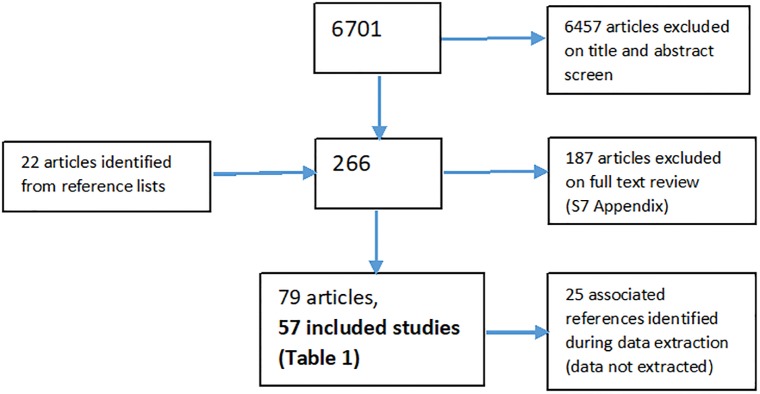
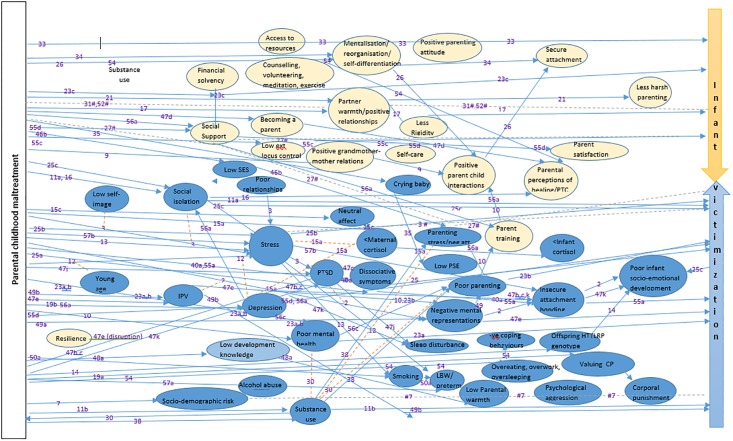
Methods and results: We searched Medline, Psychinfo, Cinahl and Embase to 30/11/2016. We screened 6701 articles and included 55 studies (74 articles) involving more than 20,000 parents. Most studies were conducted in the United States (42/55) and involved mothers only (43/55). Theoretical constructs include: attachment, social learning, relational-developmental systems, family-systems and anger theories; 'hidden trauma', resilience, post-traumatic growth; and 'Child Sexual Assault Healing' and socioecological models. Observational studies illustrate sociodemographic and mental health protective and risk factors that mediate/moderate intergenerational pathways to parental and child wellbeing. Qualitative studies provide rich descriptions of parental experiences and views about healing strategies and support. We found no specific perinatal interventions for parents with childhood maltreatment histories. However, several parenting interventions included elements which address parental history, and these reported positive effects on parent wellbeing. We found twenty-two assessment tools for identifying parental childhood maltreatment history or impact.
Conclusions: Perinatal evidence is available to inform development of strategies to support parents with a history of child maltreatment. However, there is a paucity of applied evidence and evidence involving fathers and Indigenous parents.
Conflict of interest statement
The authors have declared that no competing interests exist.
Figures
References
-
- World Health Organization. Child maltreatment factsheet Geneva: WHO; 2016. http://www.who.int/mediacentre/factsheets/fs150/en/ Accessed 2/9/2016.
-
- Alexander PC. Intergenerational cycles of trauma and violence: An attachment and family systems perspective (2015) Intergenerational cycles of trauma and violence: An attachment and family systems perspective xi, 370 pp New York, NY, US: W W Norton & Co; US. 2015.
Publication types
MeSH terms
LinkOut - more resources
Full Text Sources
Medical
