


Artisanal fishing supports breeding of malaria mosquitoes in Western Kenya
- PMID: 30866935
- PMCID: PMC6417063
- DOI: 10.1186/s12936-019-2708-z
Artisanal fishing supports breeding of malaria mosquitoes in Western Kenya
Abstract
Background: Everyday hundreds of people, mainly men, set out to take part in a vibrant artisanal capture fishing (ACF) industry on Lake Victoria. It is not known whether actions of artisanal fishers, in their unrelenting quest for existence, surpass ecosystems' sustainability thresholds with potentially negative repercussions on human health with respect to malaria transmission potential. This article sought to fill this information gap.
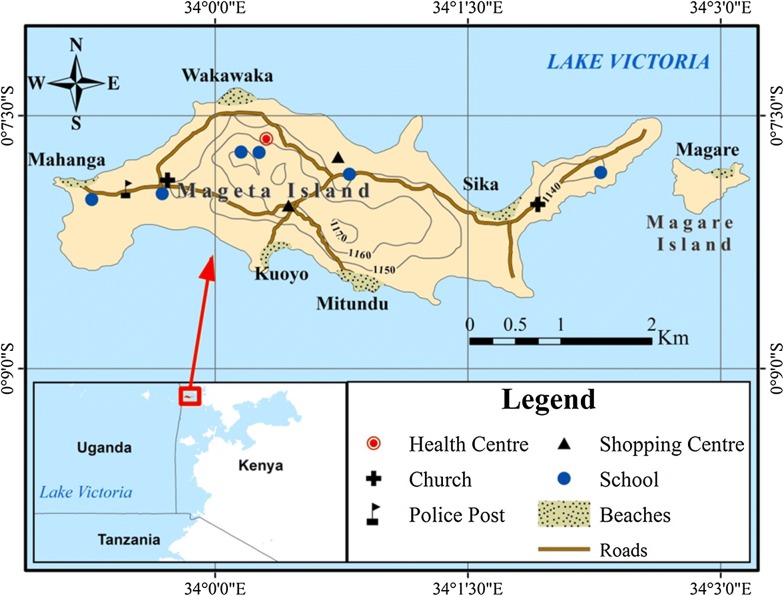
Methods: This study used an ecosystem approach to find out how ACF processes facilitate the breeding of mosquitoes. The observational study adopted a cross-sectional design and was carried out on Mageta Island situated inside Lake Victoria in western Kenya.
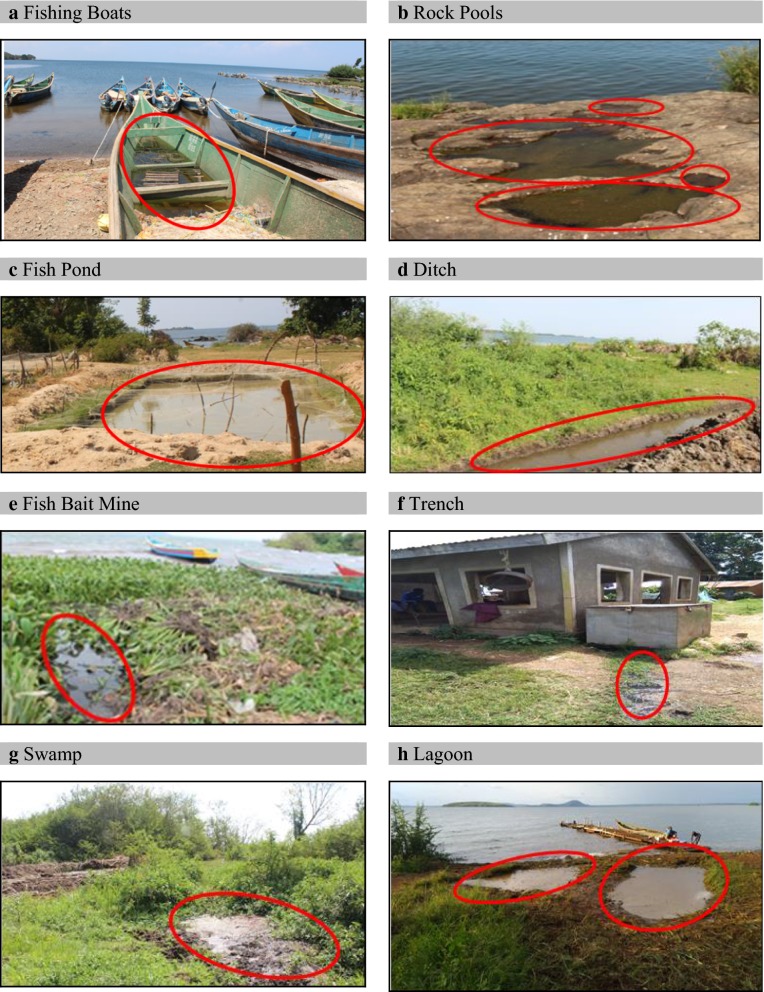
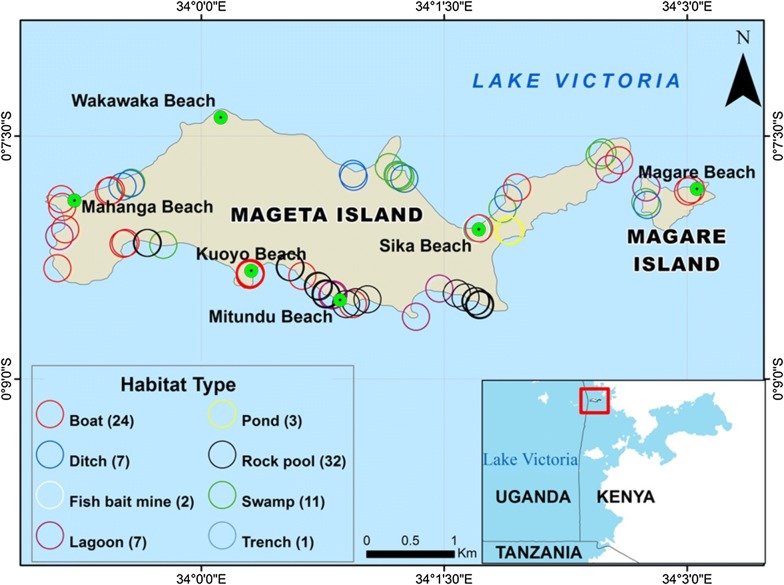
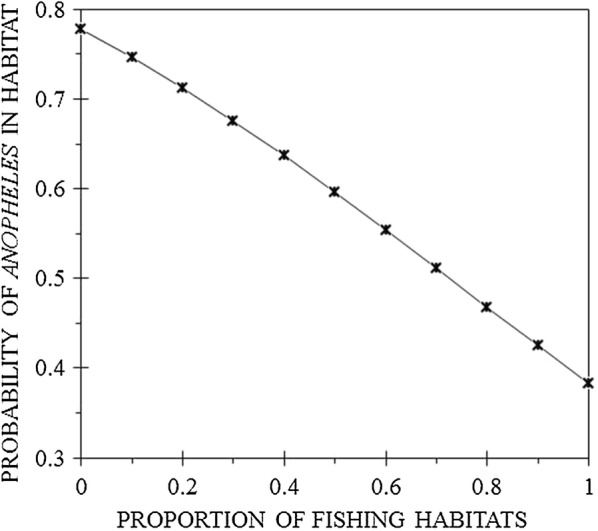
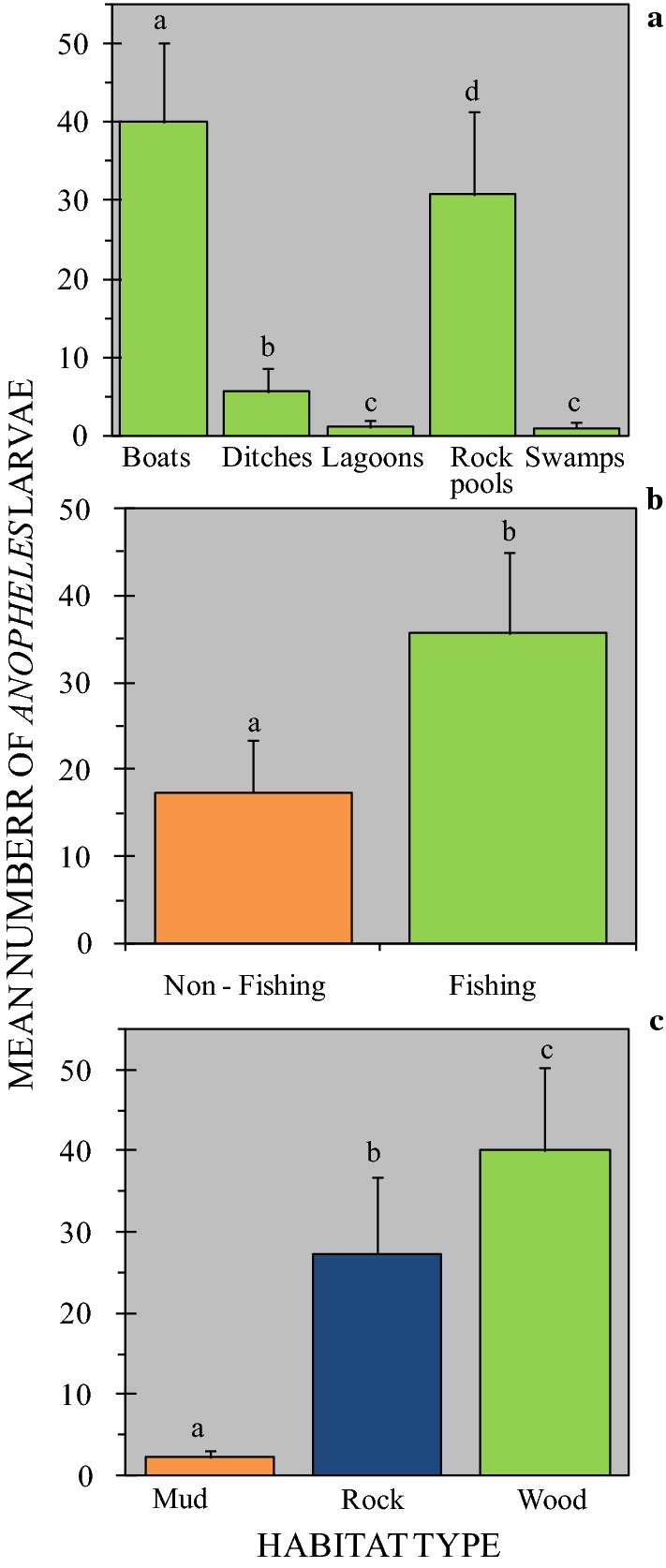
Results: Of the 87 mosquito larval habitats identified 27 (31%) were created through ACF activities. The ACF-related habitats, hereafter collectively referred to as 'fishing habitats', included fishing boats (24), trenches (1) and fish bait mines (2). About half (48%) of Anopheles larvae were recovered from fishing habitats. The mean larval density in the fishing habitats (35.7 ± 1.15) was double that in non-fishing habitats (17.4 ± 0.539). Despite being the most common 'non-fishing habitat' type (N = 32), the mean number of Anopheles larvae present in rock pools (30.81 ± 10.54) was significantly less than those found inside fishing boats (N = 24; 40.08 ± 10.16). Overall, man-made habitats and those used to support livelihoods contained significantly more Anopheles larvae.
Conclusions: These data show that artisanal capture fishing is a key driver of malaria epidemiology on Mageta Island. This suggests that larval source management strategies in the global south should pay attention to the heterogeneity in Anopheles breeding habitats created through livelihood activities.
Keywords: Anopheles gambiae; Artisanal capture fishing; Ecohealth; Ecosystem health; Fishing boats; Habitat; Kenya; Lake Victoria; Larval productivity; Mageta Island; Malaria; Mosquito larvae.
Conflict of interest statement
The authors declare that they have no competing interests.
Figures
References
-
- Geheb K, Binns T. ‘Fishing farmers’ or ‘farming fishermen’? The quest for household income and nutritional security on the Kenyan shores of Lake Victoria. Afr Aff. 1997;96:73–93. doi: 10.1093/oxfordjournals.afraf.a007822. - DOI
-
- Omwega RN, Abila RO, Lwenya C. Fishing and poverty levels around Lake Victoria, Kenya. In: Odada E., Olago DO (Eds.). Proceedings of the 11th World Lakes Conference. 2006;2:193–9.
-
- Kleiber D, Harris LM, Vincent ACJ. Gender and small-scale fisheries: a case for counting women and beyond. Fish Fish. 2014;16:547–562. doi: 10.1111/faf.12075. - DOI
-
- Njiru M, Kazungu J, Ngugi CC, Gichuki J, Muhoozi L. An overview of the current status of Lake Victoria fishery: opportunities, challenges and management strategies. Lakes Reserv Res Manag. 2008;13:1–12. doi: 10.1111/j.1440-1770.2007.00358.x. - DOI
-
- Nunan F. Understanding poverty and the environment: analytical frameworks and approaches. New York: Routledge; 2015.
Publication types
MeSH terms
Grants and funding
LinkOut - more resources
Full Text Sources
Miscellaneous
