In-session emotional expression predicts symptomatic and panic-specific reflective functioning improvements in panic-focused psychodynamic psychotherapy
- PMID: 30869969
- PMCID: PMC6745012
- DOI: 10.1037/pst0000215
In-session emotional expression predicts symptomatic and panic-specific reflective functioning improvements in panic-focused psychodynamic psychotherapy
Abstract
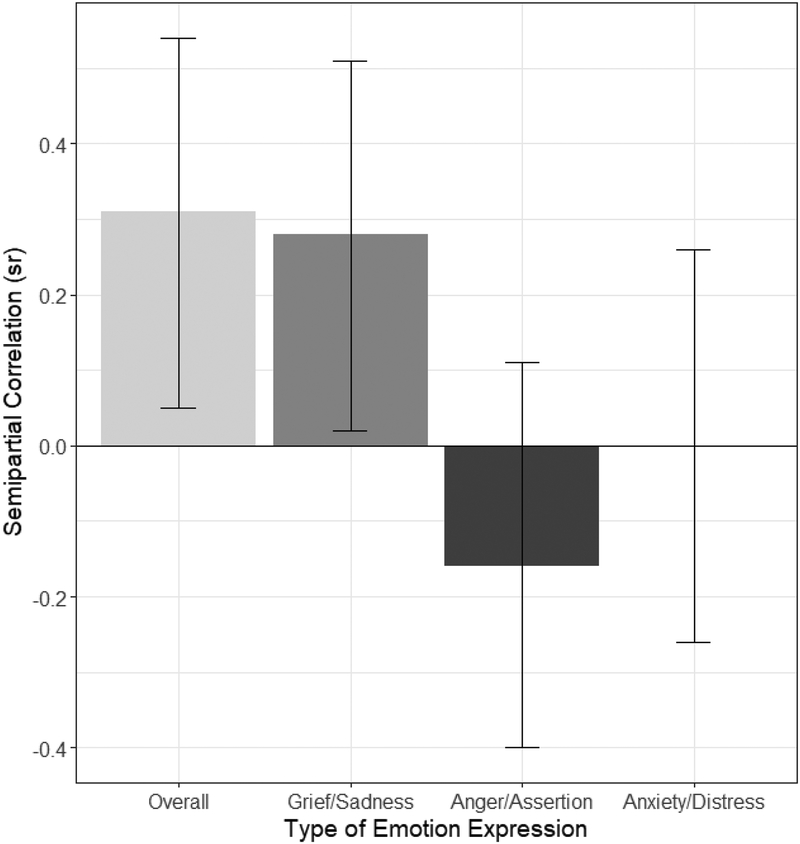
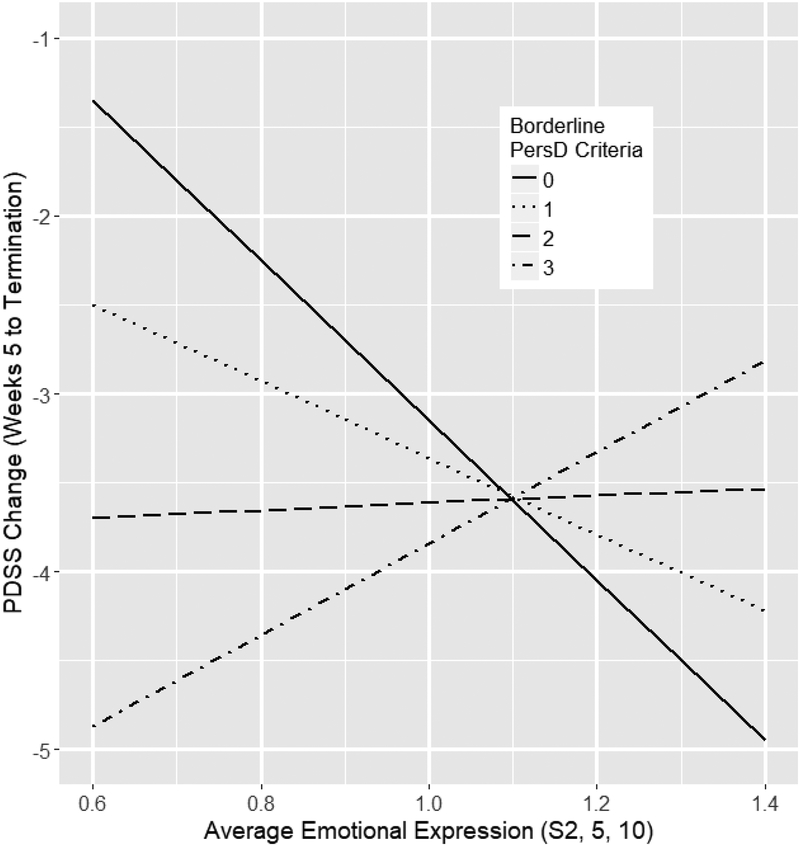
In panic-focused psychodynamic psychotherapy (PFPP), exploration and interpretation of avoided and conflicted emotions and fantasies surrounding anxiety are thought to promote panic-specific reflective functioning (PSRF), which drives panic disorder improvements. Patient emotional expression within a session may be a marker of engaged processing and experiencing of affectively charged material. Degree of in-session expressed emotion, indicating both verbal and nonverbal emotions, was examined across three early therapy sessions for prediction of subsequent outcomes. We further investigated whether personality disorder traits, theorized to relate to constricted (obsessive-compulsive) or heightened (borderline) emotions, moderated this relationship. Emotional expression in Sessions 2, 5, and 10 of a 24-session PFPP protocol was assessed by blinded observers in 44 patients randomized to PFPP in a two-site randomized controlled trial of psychotherapies for panic disorder. Robust regressions were conducted to examine the relationship between average emotional expression across the measured sessions and symptom and PSRF changes subsequent to the sampled sessions, as well as moderation by personality disorder criteria, controlling for early outcomes. Higher levels of emotional expression across the early sessions predicted greater subsequent symptom and PSRF improvement. Elevations in expression of grief/sadness drove the symptomatic finding. Patients meeting more borderline criteria experienced a smaller and potentially negative relationship between emotional expression and symptom improvement. Emotional expression in PFPP may be an indicator of positive therapy process for patients without comorbid borderline personality traits, predicting prospective improvements in both a key mediator (PSRF) and symptoms. (PsycINFO Database Record (c) 2019 APA, all rights reserved).
Trial registration: ClinicalTrials.gov NCT00353470.
Figures
References
-
- Aafjes-van Doorn K, & Barber JP (2017). Systematic Review of In-Session Affect Experience in Cognitive Behavioral Therapy for Depression. Cognitive Therapy and Research, 41(6), 807–828. doi: 10.1007/s10608-017-9865-6 - DOI
-
- Barber JP, & Muenz LR (1996). The role of avoidance and obsessiveness in matching patients to cognitive and interpersonal psychotherapy: empirical findings from the treatment for depression collaborative research program. J Consult Clin Psychol, 64(5), 951–958. - PubMed
-
- Bates D, Maechler M, Bolker B, Walker S, Christensen RHB, Singmann H, … Green P (2017). lme4: Linear Mixed-Effects Models using ‘Eigen’ and S4 (Version 1.1–13): Comprehensive R Archive Network. Retrieved from https://cran.r-project.org/web/packages/lme4/index.html