


Hydroxycobalamin Reveals the Involvement of Hydrogen Sulfide in the Hypoxic Responses of Rat Carotid Body Chemoreceptor Cells
- PMID: 30871199
- PMCID: PMC6466535
- DOI: 10.3390/antiox8030062
Hydroxycobalamin Reveals the Involvement of Hydrogen Sulfide in the Hypoxic Responses of Rat Carotid Body Chemoreceptor Cells
Abstract
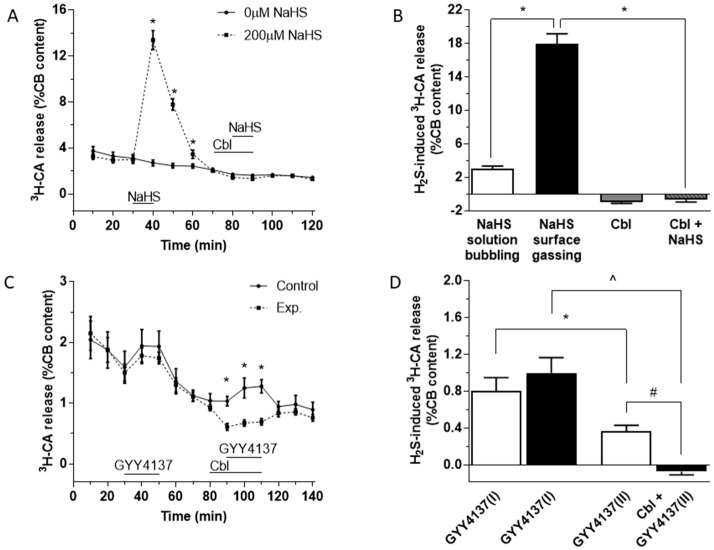
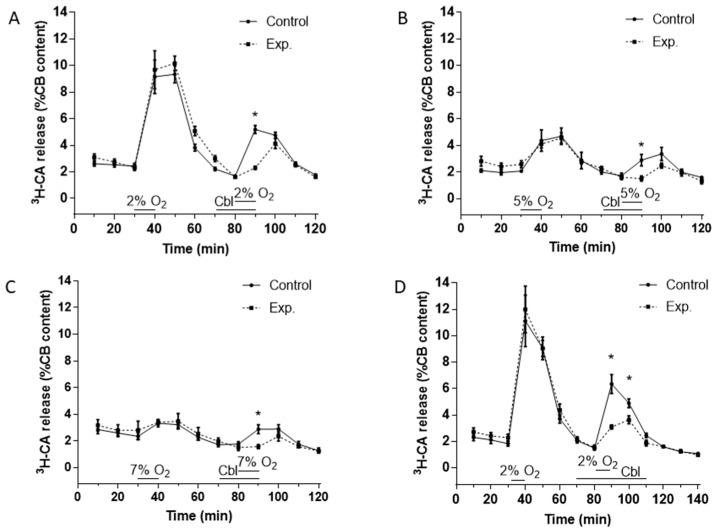
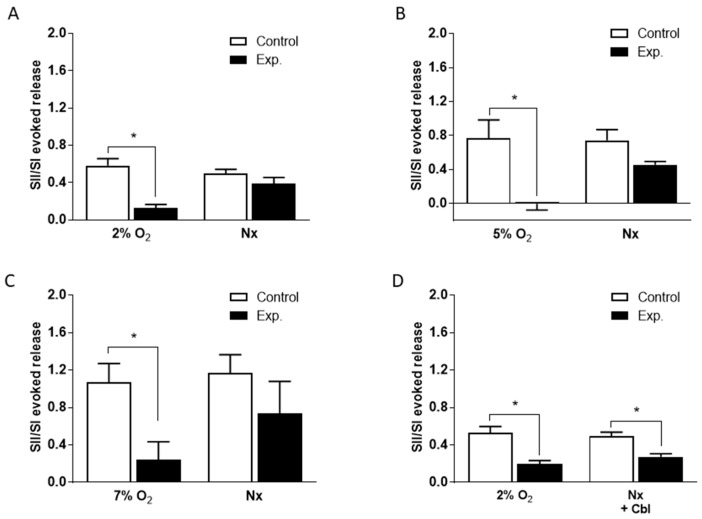
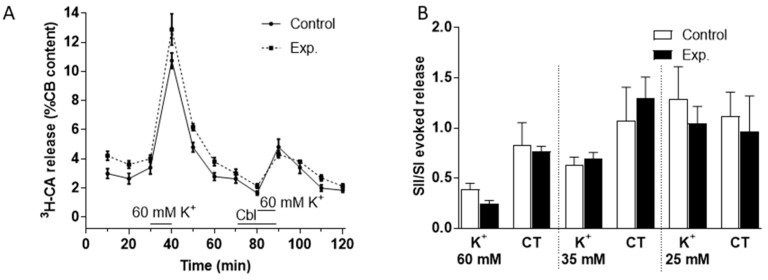
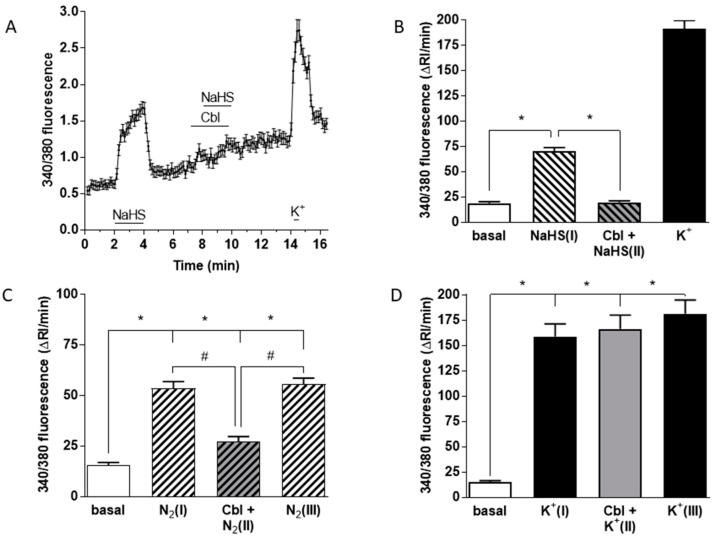
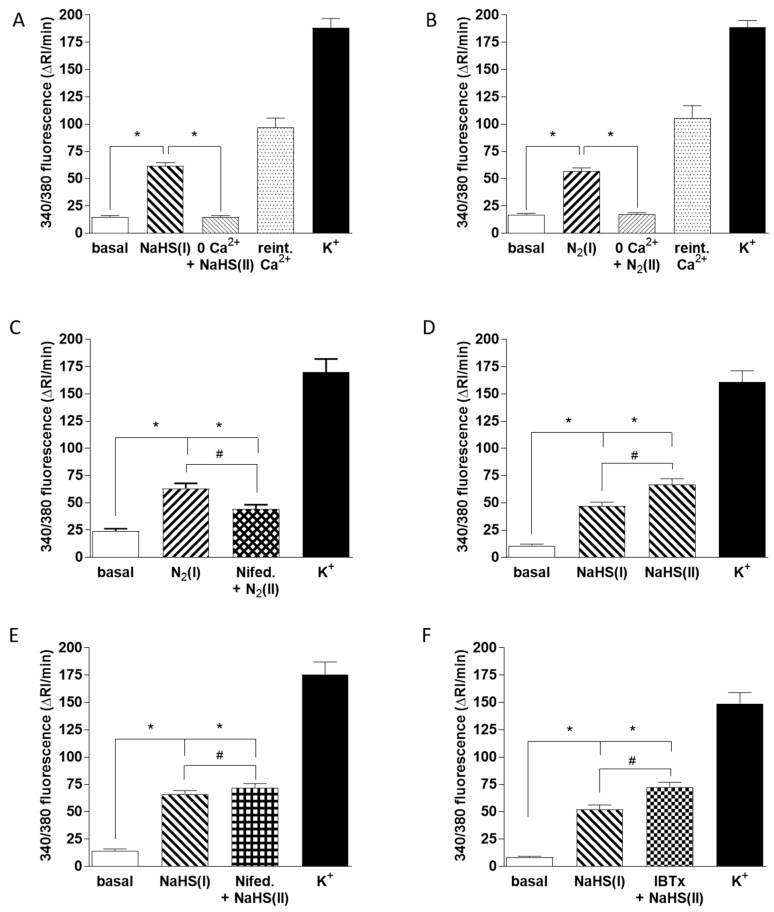
Carotid body (CB) chemoreceptor cells sense arterial blood PO₂, generating a neurosecretory response proportional to the intensity of hypoxia. Hydrogen sulfide (H₂S) is a physiological gaseous messenger that is proposed to act as an oxygen sensor in CBs, although this concept remains controversial. In the present study we have used the H₂S scavenger and vitamin B12 analog hydroxycobalamin (Cbl) as a new tool to investigate the involvement of endogenous H₂S in CB oxygen sensing. We observed that the slow-release sulfide donor GYY4137 elicited catecholamine release from isolated whole carotid bodies, and that Cbl prevented this response. Cbl also abolished the rise in [Ca2+]i evoked by 50 µM NaHS in enzymatically dispersed CB glomus cells. Moreover, Cbl markedly inhibited the catecholamine release and [Ca2+]i rise caused by hypoxia in isolated CBs and dispersed glomus cells, respectively, whereas it did not alter these responses when they were evoked by high [K⁺]e. The L-type Ca2+ channel blocker nifedipine slightly inhibited the rise in CB chemoreceptor cells [Ca2+]i elicited by sulfide, whilst causing a somewhat larger attenuation of the hypoxia-induced Ca2+ signal. We conclude that Cbl is a useful and specific tool for studying the function of H₂S in cells. Based on its effects on the CB chemoreceptor cells we propose that endogenous H₂S is an amplifier of the hypoxic transduction cascade which acts mainly by stimulating non-L-type Ca2+ channels.
Keywords: carotid body; hydrogen sulfide; hydroxycobalamin; hypoxia; oxygen sensing.
Conflict of interest statement
The authors declare no conflict of interest.
Figures
References
-
- Fidone S., Gonzalez C. Initiation and control of chemoreceptor activity in the carotid body. In: Fishman A.P., Cherniack N.S., Widdicombe J.G., Geiger S.R., editors. Handbook of Physiology, Section 3, The Respiratory System, vol II, Control of Breathing. Volume 2. American Physiological Society; Bethesda, MD, USA: 1986. pp. 247–312.
Grants and funding
LinkOut - more resources
Full Text Sources
Miscellaneous
