


Improvements in lower-limb muscle strength and foot pressure distribution with foot care in frail elderly adults: a randomized controlled trial from Japan
- PMID: 30871498
- PMCID: PMC6419511
- DOI: 10.1186/s12877-019-1097-z
Improvements in lower-limb muscle strength and foot pressure distribution with foot care in frail elderly adults: a randomized controlled trial from Japan
Abstract
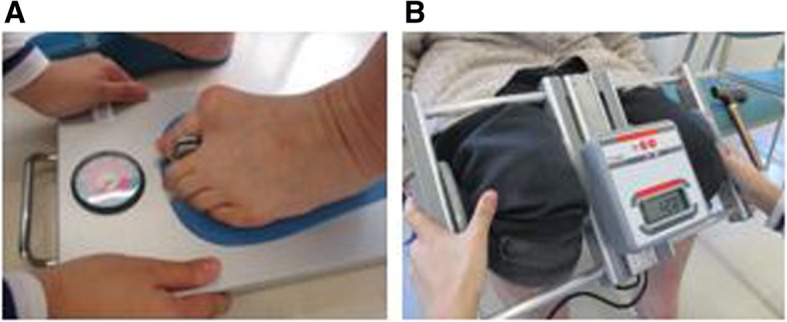
Background: Abnormalities in the feet and toenails are common among the elderly and may increase the risk of falls. This study aimed to investigate the changes in toe-gap force, knee-gap force, foot pressure distribution, the ability to perform activities of daily living, subjects' feelings and behaviors, and physical function resulting from daily lifestyle modification and foot care.
Methods: The study participants included 74 elderly adults (mean age 80.3 ± 7.5 years) with foot problems who had been divided into three groups based on Japan's nursing care insurance system levels: certified ineligible for support, eligible for support, or eligible for long-term care. Additionally, a control group of 106 elderly adults in good health was recruited. The differences between the intervention and control groups was examined using the Student's t-test, and differences between the three intervention subgroups and the control group were examined using one-way analysis of variance.
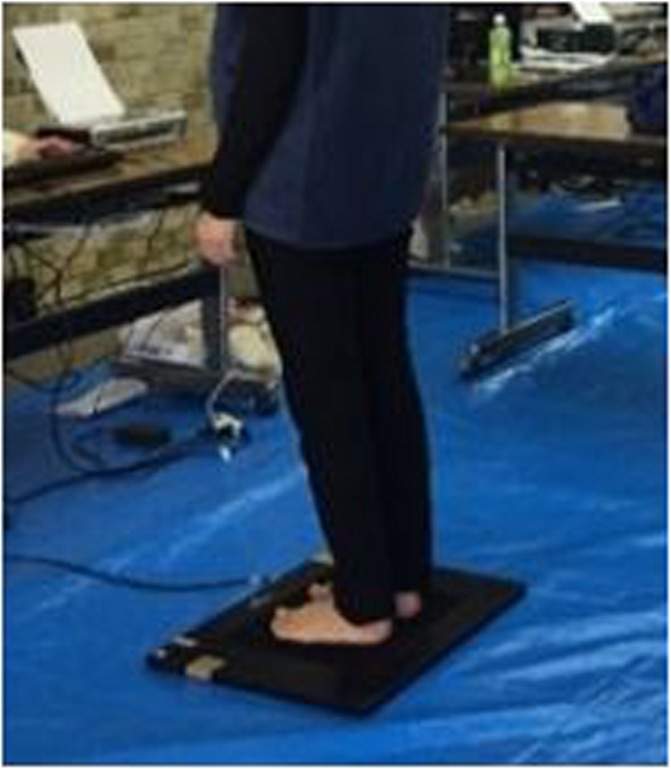
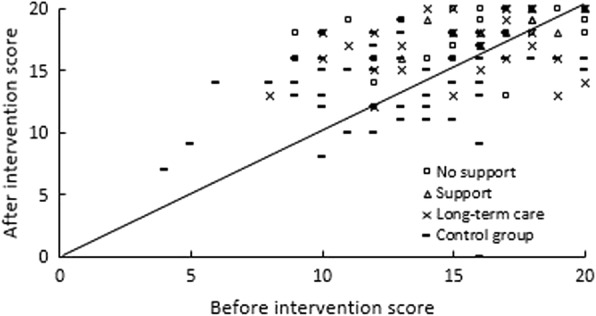
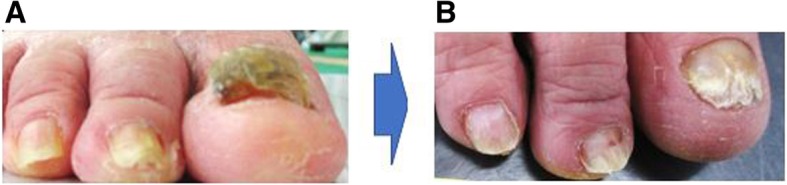
Results: After intervention, abnormalities in the participants' feet and toenails improved. Significant increases in lower-limb muscle strength were observed, and foot pressure distribution had improved. The foot-care intervention significantly improved lower-limb muscle strength and decreased the risk of falling, even in elderly adults whose physical function had deteriorated.
Conclusion: In frail elderly adults, care of the feet and toenails can improve lower-limb muscle strength and foot pressure distribution. In addition, the individuals' social participation increased, and their behavior improved.
Trial registration: University hospital Medical Information Network- Clinical Trials (UMIN-CTR) with the number: UMIN000034742 . Registration date: 11/01/2018.
Keywords: Foot care; Foot pressure distribution; Frail elderly adult; Lower limbs; Muscle strength.
Conflict of interest statement
Authors’ information
Not applicable.
Ethics approval and consent to participate
The study was conducted in accordance with the Declaration of Helsinki, and the protocol was approved by the Ethics Committee of Tokyo Healthcare University (KYO25–2). All subjects gave their informed consent for inclusion before they participated in the study.
Consent for publication
Not applicable.
Competing interests
The authors declare that they have no competing interests.
Publisher’s Note
Springer Nature remains neutral with regard to jurisdictional claims in published maps and institutional affiliations.
Figures

References
Publication types
MeSH terms
Associated data
- Actions
LinkOut - more resources
Full Text Sources
Medical
Miscellaneous
