


Substance abuse and white matter: Findings, limitations, and future of diffusion tensor imaging research
- PMID: 30875650
- PMCID: PMC6440853
- DOI: 10.1016/j.drugalcdep.2019.02.005
Substance abuse and white matter: Findings, limitations, and future of diffusion tensor imaging research
Abstract
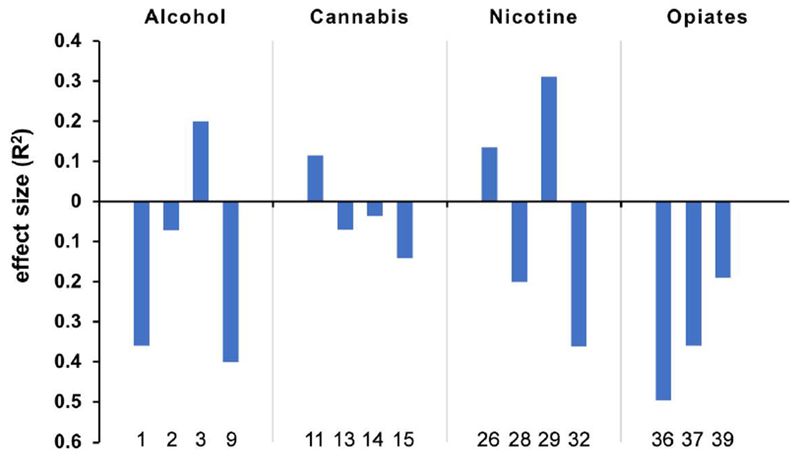
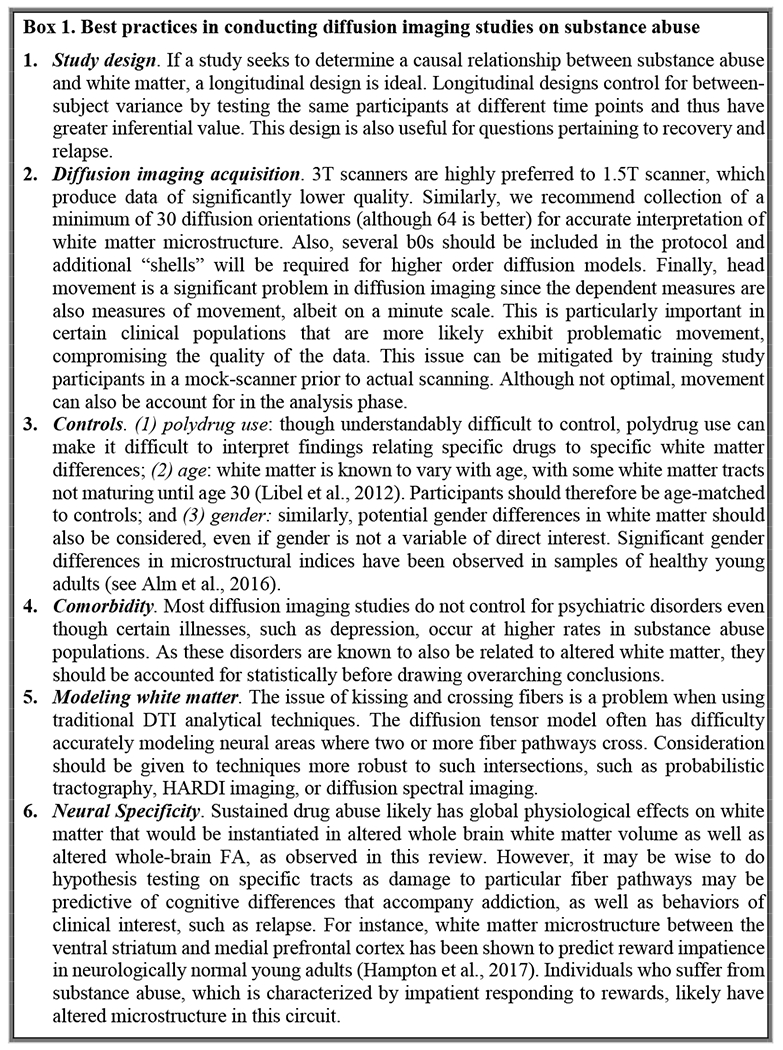
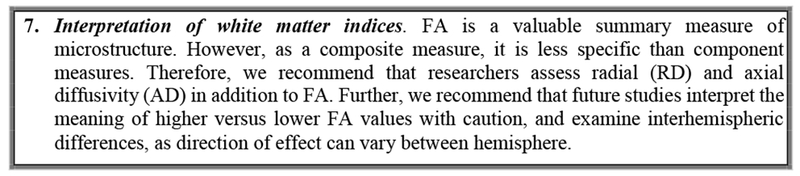
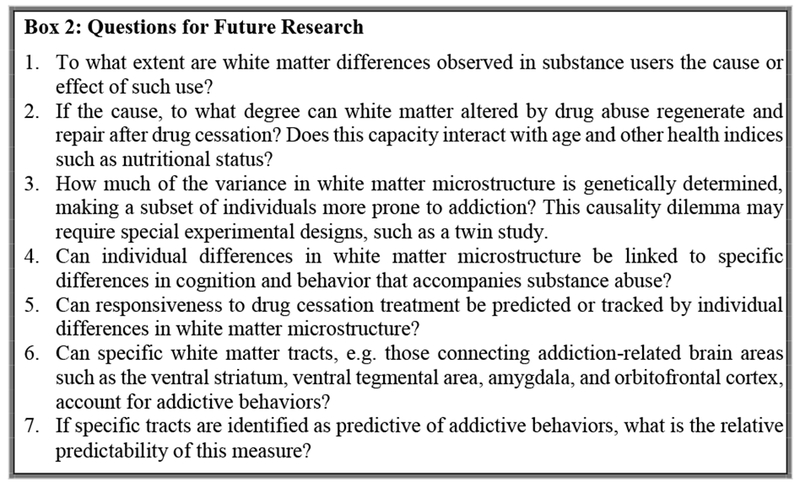
Individuals who abuse substances often differ from nonusers in their brain structure. Substance abuse and addiction is often associated with atrophy and pathology of grey matter, but much less is known about the role of white matter, which constitutes over half of human brain volume. Diffusion tensor imaging (DTI), a method for non-invasively estimating white matter, is increasingly being used to study addiction and substance abuse. Here we review recent DTI studies of major substances of abuse (alcohol, opiates, cocaine, cannabis, and nicotine substance abuse) to examine the relationship, specificity, causality, and permanence of substance-related differences in white matter microstructure. Across substance, users tended to exhibit differences in the microstructure of major fiber pathways, such as the corpus callosum. The direction of these differences, however, appeared substance-dependent. The subsample of longitudinal studies reviewed suggests that substance abuse may cause changes in white matter, though it is unclear to what extent such alterations are permanent. While collectively informative, some studies reviewed were limited by methodological and technical approach. We therefore also provide methodological guidance for future research using DTI to study substance abuse.
Keywords: Addiction; Diffusion tensor imaging; Substance abuse; White matter.
Copyright © 2019 Elsevier B.V. All rights reserved.
Conflict of interest statement
Disclosures
The authors declare no competing or conflicting financial interests.
Conflicts of Interest
Authors declare no conflicts of interest.
Figures
References
Publication types
MeSH terms
Grants and funding
LinkOut - more resources
Full Text Sources
Other Literature Sources
Medical
