


Global Evolution of Research in Artificial Intelligence in Health and Medicine: A Bibliometric Study
- PMID: 30875745
- PMCID: PMC6463262
- DOI: 10.3390/jcm8030360
Global Evolution of Research in Artificial Intelligence in Health and Medicine: A Bibliometric Study
Abstract
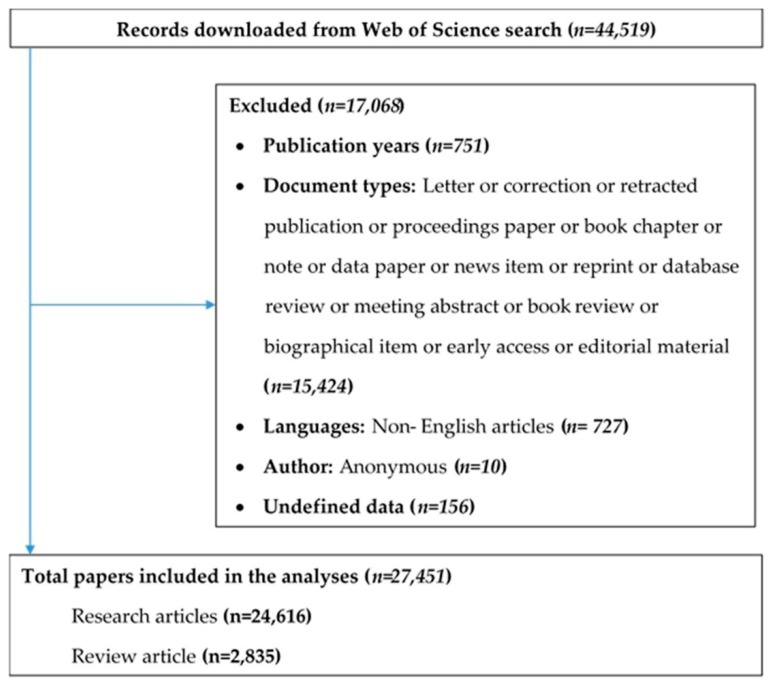
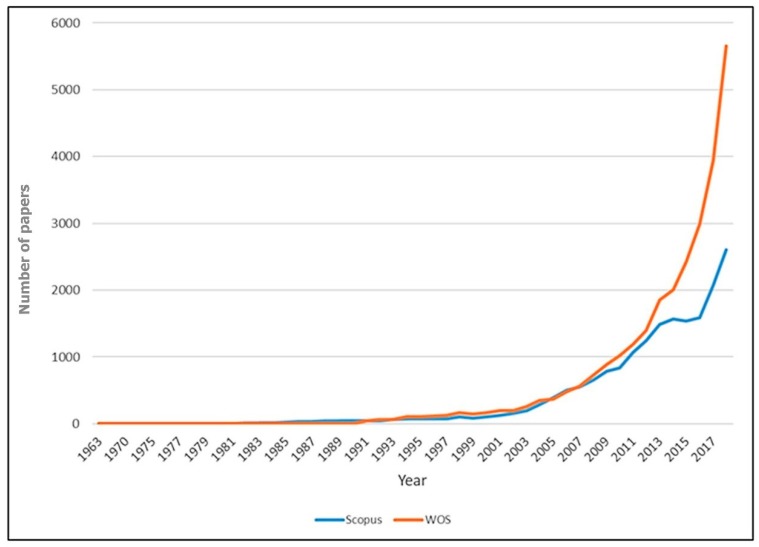
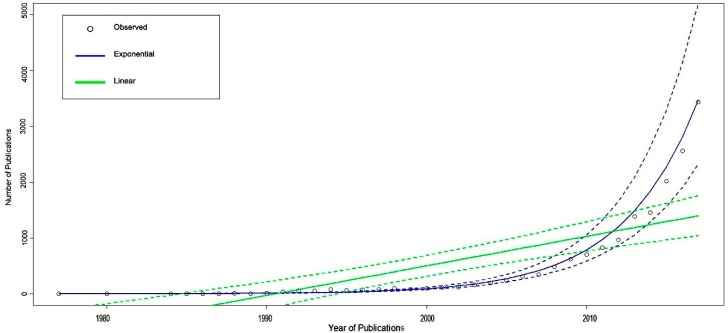
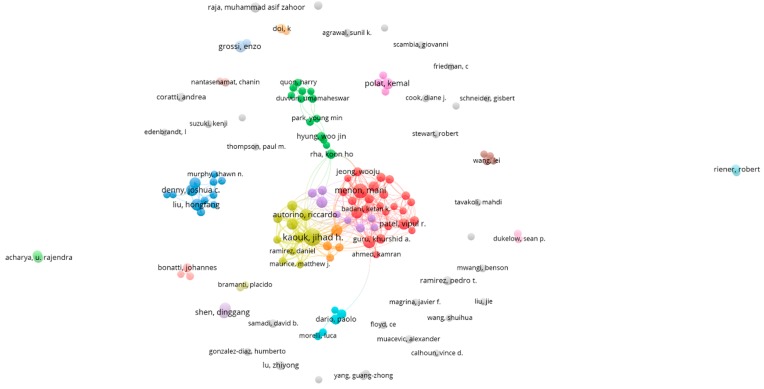
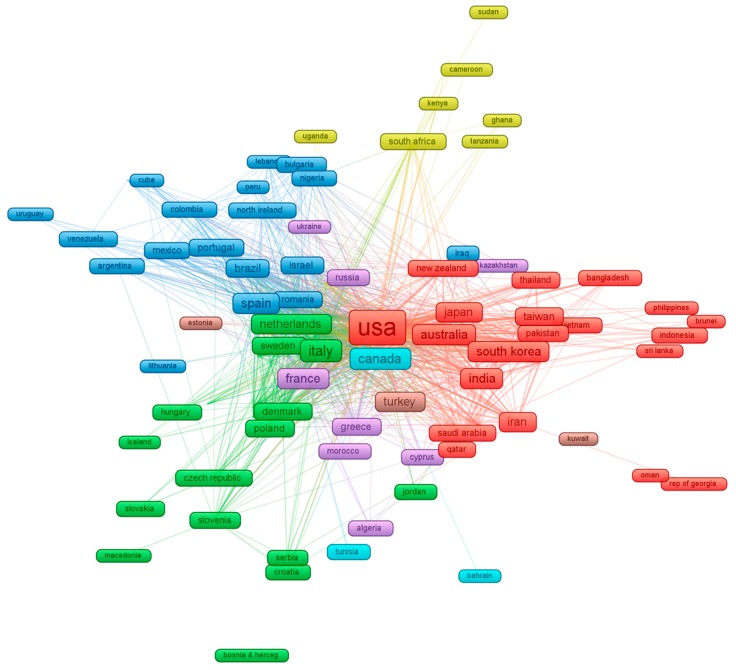
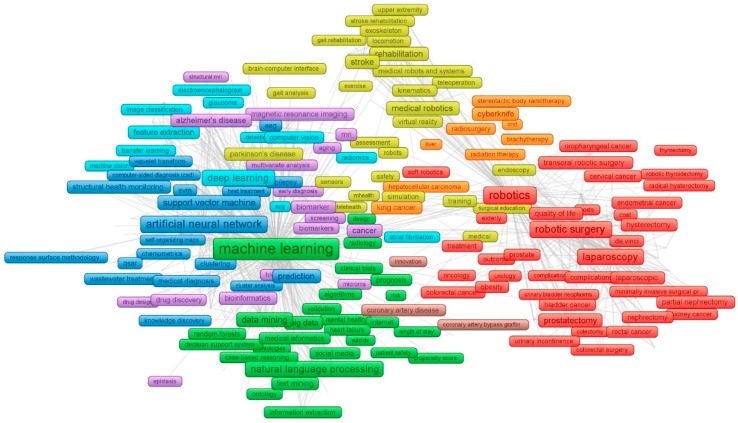
The increasing application of Artificial Intelligence (AI) in health and medicine has attracted a great deal of research interest in recent decades. This study aims to provide a global and historical picture of research concerning AI in health and medicine. A total of 27,451 papers that were published between 1977 and 2018 (84.6% were dated 2008⁻2018) were retrieved from the Web of Science platform. The descriptive analysis examined the publication volume, and authors and countries collaboration. A global network of authors' keywords and content analysis of related scientific literature highlighted major techniques, including Robotic, Machine learning, Artificial neural network, Artificial intelligence, Natural language process, and their most frequent applications in Clinical Prediction and Treatment. The number of cancer-related publications was the highest, followed by Heart Diseases and Stroke, Vision impairment, Alzheimer's, and Depression. Moreover, the shortage in the research of AI application to some high burden diseases suggests future directions in AI research. This study offers a first and comprehensive picture of the global efforts directed towards this increasingly important and prolific field of research and suggests the development of global and national protocols and regulations on the justification and adaptation of medical AI products.
Keywords: AI ethics; artificial intelligence; bibliometric analysis; global; health; mapping; medicine.
Conflict of interest statement
The authors declare no conflict of interest.
Figures
References
-
- Nuffield Council on Bioethics Bioethics Briefing Notes: Artificial Intelligence (AI) in Healthcare and Research. [(accessed on 21 December 2018)]; Available online: http://nuffieldbioethics.org/wp-content/uploads/Artificial-Intelligence-....
-
- Elsevier . Artificial Intelligence: How Knowledge Is Created, Transferred, and Used. Elsevier Artificial Intelligence Program; Amsterdam, The Netherlands: 2018.
-
- Frankish K., Ramsey W.M., editors. The Cambridge Handbook of Artificial Intelligence. Cambridge University Press; Cambridge, UK: 2014. Introduction; pp. 1–14.
LinkOut - more resources
Full Text Sources
