


Long term at-home treatment with transcranial direct current stimulation (tDCS) improves symptoms of cerebellar ataxia: a case report
- PMID: 30890162
- PMCID: PMC6425598
- DOI: 10.1186/s12984-019-0514-z
Long term at-home treatment with transcranial direct current stimulation (tDCS) improves symptoms of cerebellar ataxia: a case report
Abstract
Background: Progressive cerebellar ataxia is a neurodegenerative disorder without effective treatment options that seriously hinders quality of life. Previously, transcranial direct current stimulation (tDCS) has been demonstrated to benefit cerebellar functions (including improved motor control, learning and emotional processing) in healthy individuals and patients with neurological disorders. While tDCS is an emerging therapy, multiple daily sessions are needed for optimal clinical benefit. This case study tests the symptomatic benefit of remotely supervised tDCS (RS-tDCS) for a patient with cerebellar ataxia.
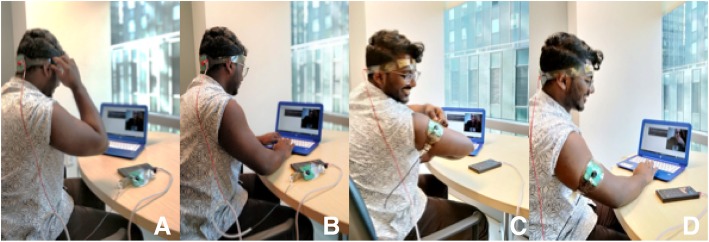
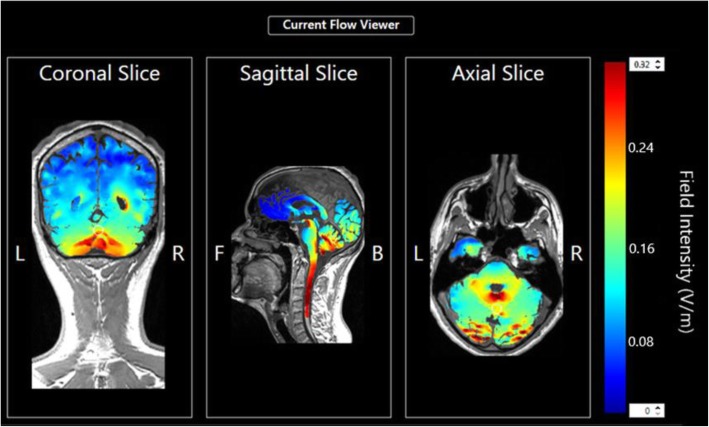
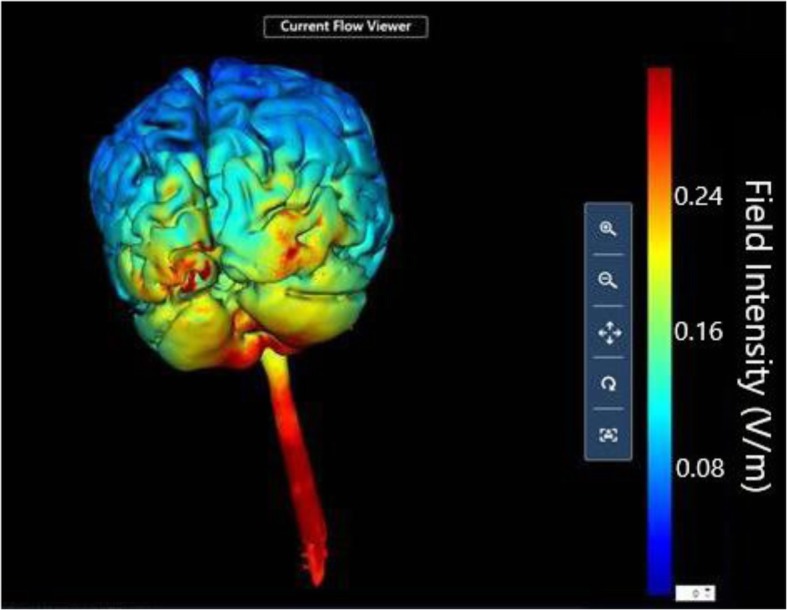
Methods: We report a case of a 71-year-old female patient with progressive cerebellar ataxia, who presented with unsteady gait and balance impairment, treated with tDCS. tDCS was administered using our RS-tDCS protocol and was completed daily in the patient's home (Monday - Friday) with the help of a trained study technician. tDCS was paired with 20 min of simultaneous cognitive training, followed by 20 min of physical exercises directed by a physical therapist. Stimulation consisted of 20 min of 2.5 mA direct current targeting the cerebellum via an anodal electrode and a cathodal electrode placed over the right shoulder. The patient completed baseline and treatment end visits with neurological, cognitive, and motor (Lafayette Grooved Pegboard Test, 25 ft walk test and Timed Up and Go Test) assessments.
Results: The patient successfully completed sixty tDCS sessions, 59 of which were administered remotely at the patient's home with the use of real time supervision as enabled by video conferencing. Mild improvement was observed in the patient's gait with a 7% improvement in walking speed, which she completed without a walking-aid at treatment end, which was in stark contrast to her baseline assessment. Improvements were also achieved in manual dexterity, with an increase in pegboard scores bilaterally compared to baseline.
Conclusions: Results from this case report suggest that consecutively administered tDCS treatments paired with cognitive and physical exercise hold promise for improving balance, gait, and manual dexterity in patients with progressive ataxia. Remotely supervised tDCS provides home access to enable the administration over an extended period. Further controlled study in a large group of those with cerebellar ataxia is needed to replicate these findings.
Trial registration: ClinicalTrials.gov Identifier: NCT03049969 . Registered 10 February 2017- Retrospectively registered.
Keywords: Cerebellar ataxia; Cerebellar tDCS; Remotely supervised tDCS; Telerehabilitation; Transcranial direct current stimulation (tDCS).
Conflict of interest statement
Ethics approval and consent to participate
All clinical data in this case report were either provided by the patient and collected by our team’s members with the consent of her. A written informed consent was obtained from the patient for the participation in the study (NYU Langone Health IRB approval # s16–01810).
The patient completed the tDCS treatment as a part of an open label study (Trial Registration
Consent for publication
Written informed consent for publication was obtained.
Competing interests
The author(s) declared the following potential conflicts of interest with respect to the research, authorship, and/or publication of this article: A.D. is an employee and has equity in Soterix Medical.
Publisher’s Note
Springer Nature remains neutral with regard to jurisdictional claims in published maps and institutional affiliations.
Figures
References
Publication types
MeSH terms
Associated data
LinkOut - more resources
Full Text Sources
Medical
