


Optimal management for people with severe spasticity
- PMID: 30890884
- PMCID: PMC6065570
- DOI: 10.2147/DNND.S16630
Optimal management for people with severe spasticity
Abstract
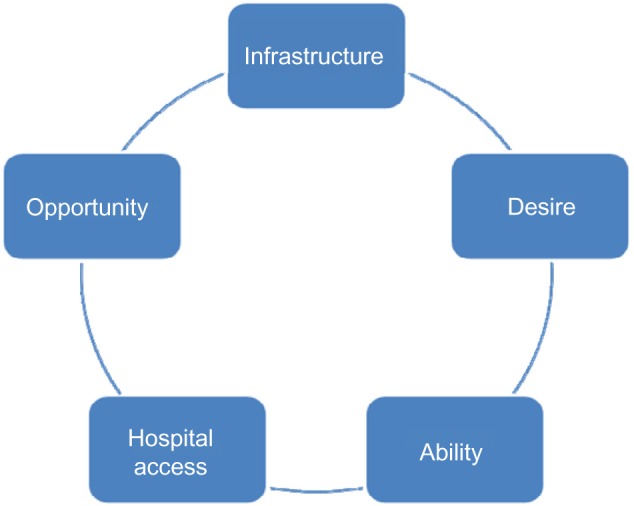
Spasticity is characterized by velocity-dependent increase in tonic stretch reflexes and tendon jerks. Many people affected by spasticity receive late treatment, or no treatment, which greatly reduces the potential to regain full motor control and restore function. There is much to consider before determining treatment for people with spasticity. Treatment of pediatric patients increases the complexity, because of the substantial difference between adult and pediatric spasticity. Proper patient evaluation, utilization of scales and measures, and obtaining patient and caregiver history is vital in determining optimal spasticity treatment. Further, taking into consideration the limitations and desires of individuals serve as a guide to best management. We have grouped contributing factors into the IDAHO Criteria to elucidate a multidisciplinary approach, which considers a person's complete field of experience. This model is applied to goal setting, and recognizes the importance of a spasticity management team, comprising the treatment subject, his/her family, the environment, and a supportive, well-informed medical staff. The criteria take into account the complexity associated with diagnosing and treating spasticity, with the ultimate goal of improved function.
Keywords: optimal management for spasticity; pediatric spasticity management; spasticity treatment modalities.
Conflict of interest statement
Disclosure The authors report no conflicts of interest in this work.
Figures
References
-
- Kan P, Gooch J, Amini A, et al. Surgical treatment of spasticity in children: comparison of selective dorsal rhizotomy and intrathecal baclofen pump implantation. Childs Nerv Sys. 2007;24:239–243. - PubMed
-
- Bakheit AMO. Botulinum Toxin Treatment of Muscle Spasticity. Milton Keynes, UK: AuthorHouse; 2007.
-
- Rang M. Cerebral palsy. In: Morrissy R, editor. Lovell and Winter’s Pediatric Orthopedics. Vol. 3. Philadelphia: Lippincott; 1990. pp. 465–506.
-
- Green NE, Swointkowski MF, editors. Skeletal Trauma in Children. 4th ed. Philadelphia, PA: Saunders, Elsevier; 2008.
-
- Gage J. Managing spasticity in children with cerebral palsy requires a team approach. A Pediatric Perspective. 2004;13(3):1–6.
Publication types
LinkOut - more resources
Full Text Sources
