Ablating astrocyte insulin receptors leads to delayed puberty and hypogonadism in mice
- PMID: 30893295
- PMCID: PMC6443191
- DOI: 10.1371/journal.pbio.3000189
Ablating astrocyte insulin receptors leads to delayed puberty and hypogonadism in mice
Abstract
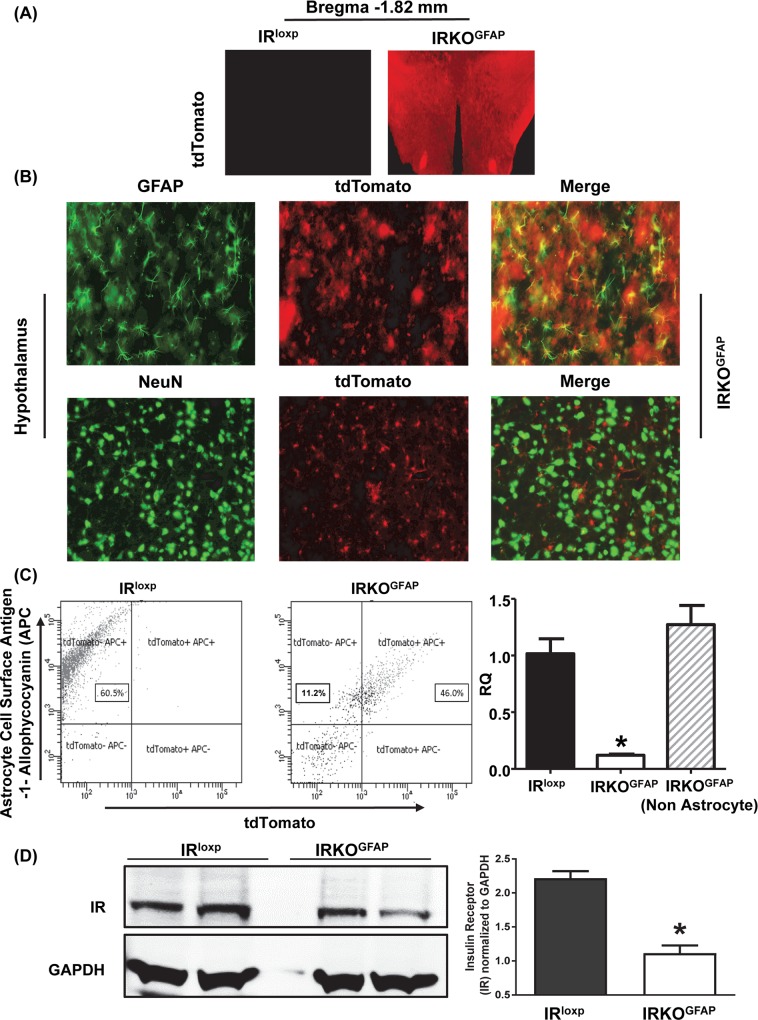
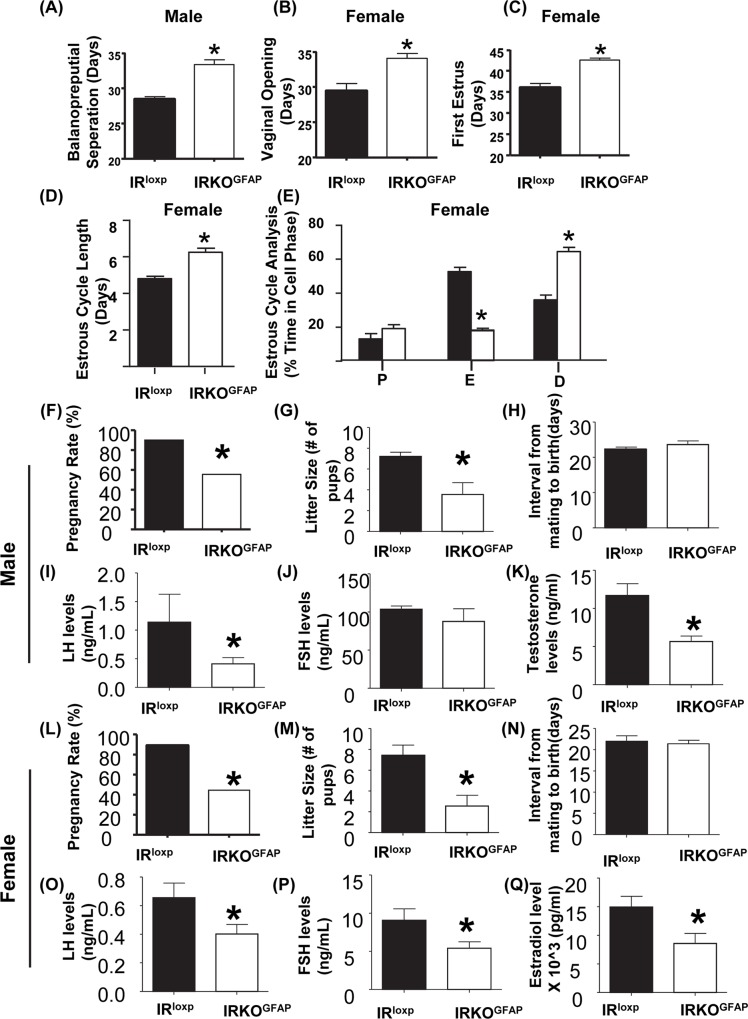
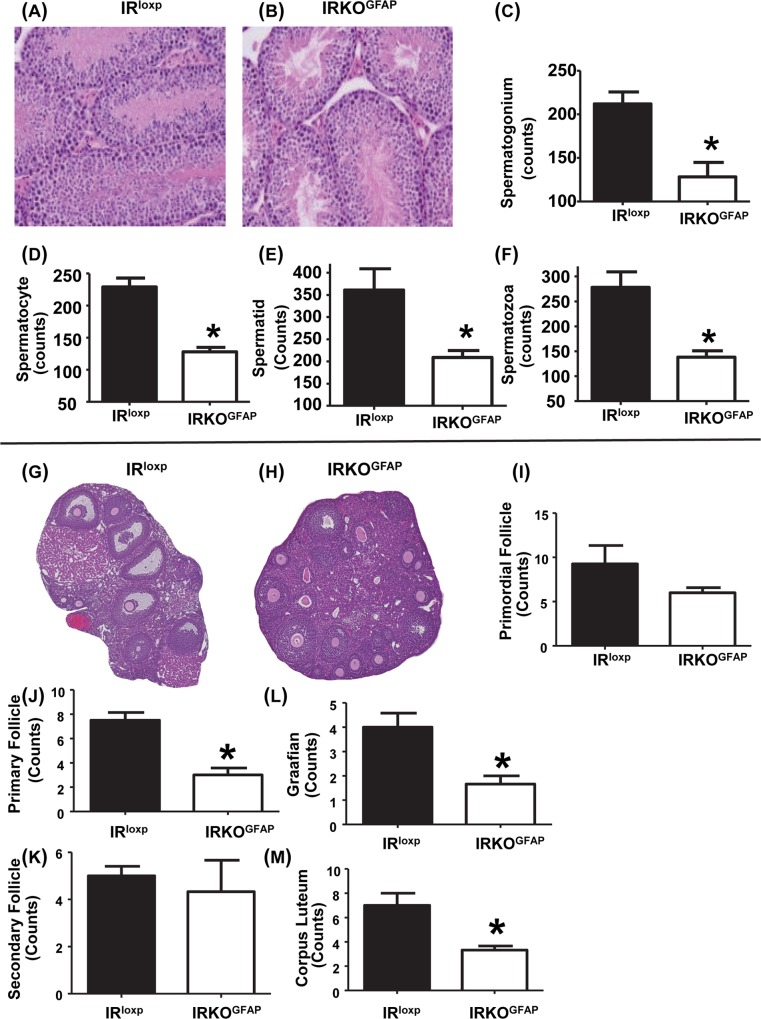
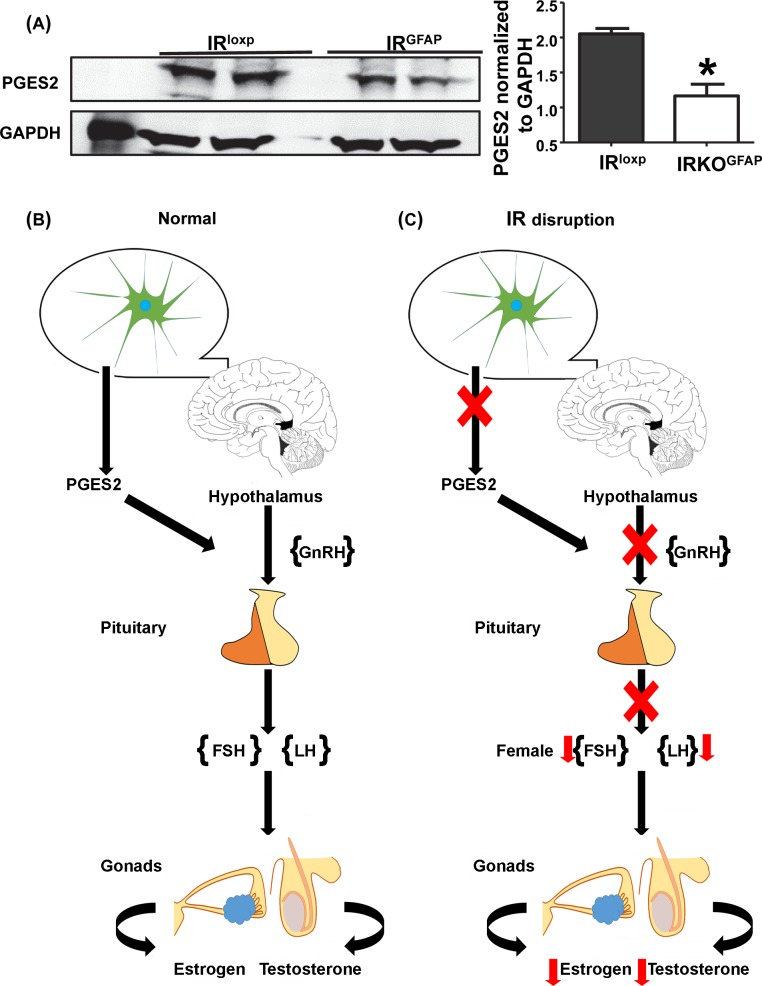
Insulin resistance and obesity are associated with reduced gonadotropin-releasing hormone (GnRH) release and infertility. Mice that lack insulin receptors (IRs) throughout development in both neuronal and non-neuronal brain cells are known to exhibit subfertility due to hypogonadotropic hypogonadism. However, attempts to recapitulate this phenotype by targeting specific neurons have failed. To determine whether astrocytic insulin sensing plays a role in the regulation of fertility, we generated mice lacking IRs in astrocytes (astrocyte-specific insulin receptor deletion [IRKOGFAP] mice). IRKOGFAP males and females showed a delay in balanopreputial separation or vaginal opening and first estrous, respectively. In adulthood, IRKOGFAP female mice also exhibited longer, irregular estrus cycles, decreased pregnancy rates, and reduced litter sizes. IRKOGFAP mice show normal sexual behavior but hypothalamic-pituitary-gonadotropin (HPG) axis dysregulation, likely explaining their low fecundity. Histological examination of testes and ovaries showed impaired spermatogenesis and ovarian follicle maturation. Finally, reduced prostaglandin E synthase 2 (PGES2) levels were found in astrocytes isolated from these mice, suggesting a mechanism for low GnRH/luteinizing hormone (LH) secretion. These findings demonstrate that insulin sensing by astrocytes is indispensable for the function of the reproductive axis. Additional work is needed to elucidate the role of astrocytes in the maturation of hypothalamic reproductive circuits.
Conflict of interest statement
The authors have declared that no competing interests exist.
Figures
References
-
- Griffin ML, South SA, Yankov VI, Booth RA Jr., Asplin CM, Veldhuis JD, et al. Insulin-dependent diabetes mellitus and menstrual dysfunction. Annals of medicine. 1994;26(5):331–40. . - PubMed
Publication types
MeSH terms
Substances
Grants and funding
LinkOut - more resources
Full Text Sources
Molecular Biology Databases