


Beta-blockers for the prevention of headache in adults, a systematic review and meta-analysis
- PMID: 30893319
- PMCID: PMC6426199
- DOI: 10.1371/journal.pone.0212785
Beta-blockers for the prevention of headache in adults, a systematic review and meta-analysis
Abstract
Background: Headaches are a common source of pain and suffering. The study's purpose was to assess beta-blockers efficacy in preventing migraine and tension-type headache.
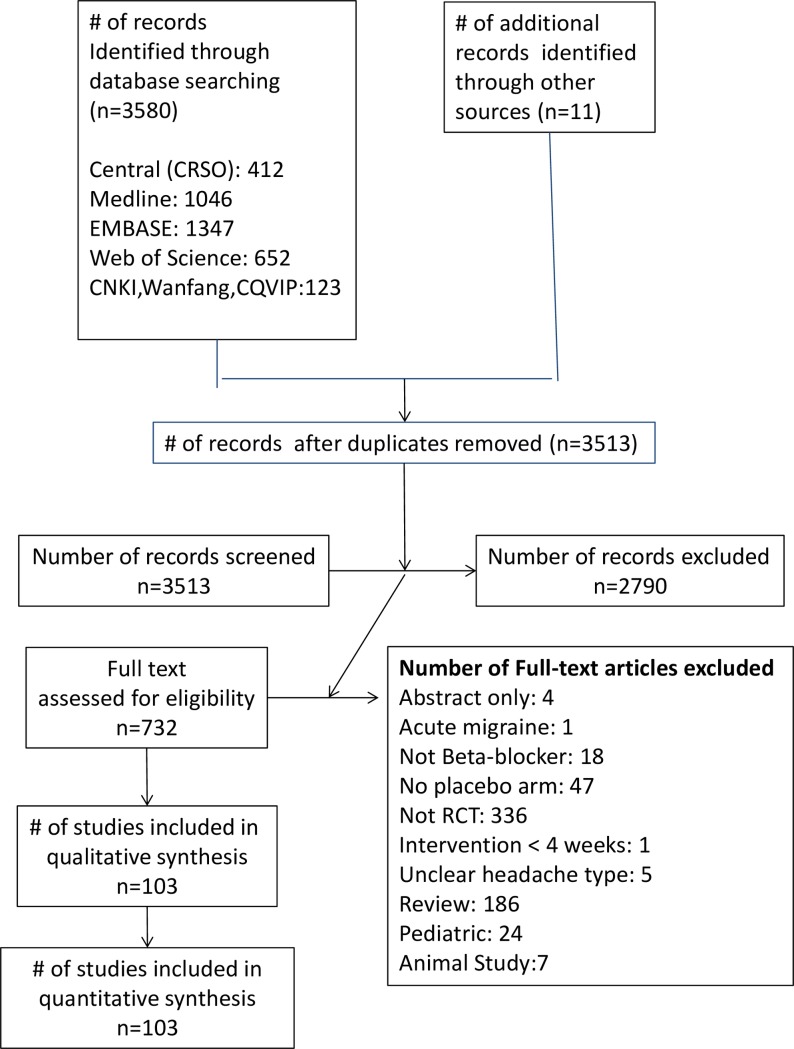
Methods: Cochrane Register of Controlled Trials; MEDLINE; EMBASE; ISI Web of Science, clinical trial registries, CNKI, Wanfang and CQVIP were searched through 21 August 2018, for randomized trials in which at least one comparison was a beta-blocker for the prevention of migraine or tension-type headache in adults. The primary outcome, headache frequency per month, was extracted in duplicate and pooled using random effects models.
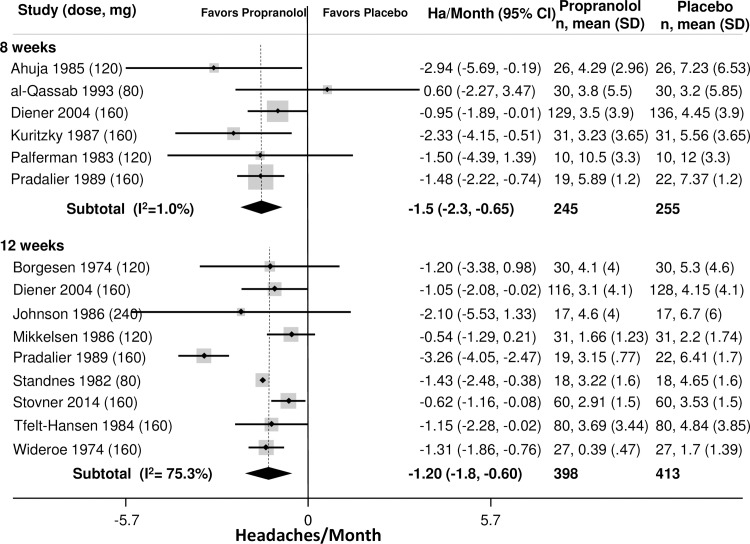
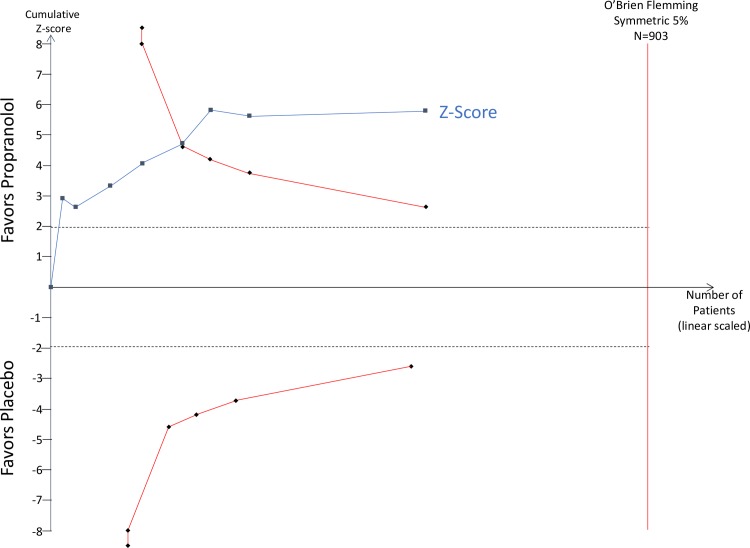
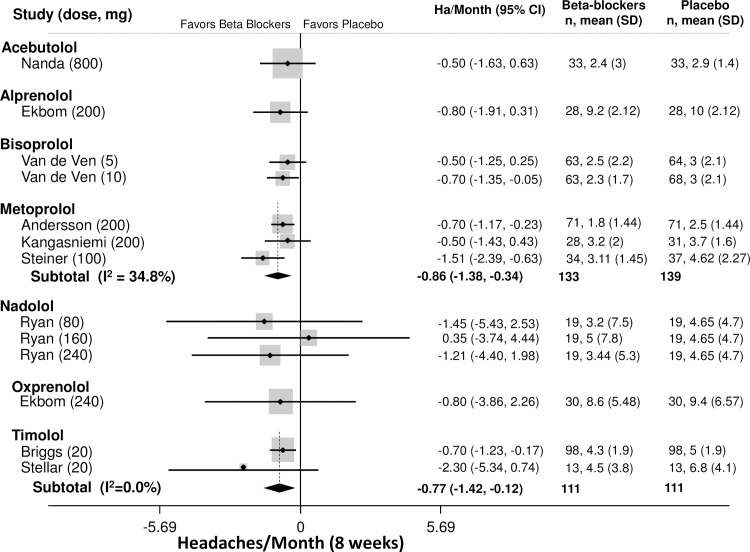
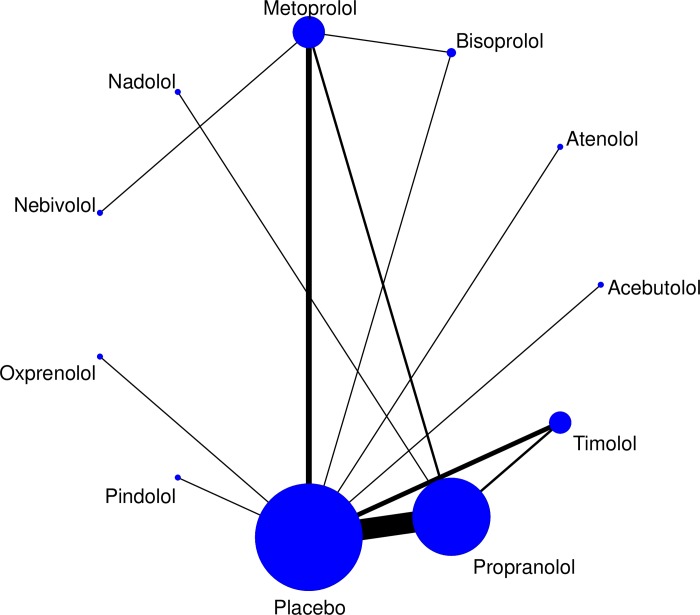
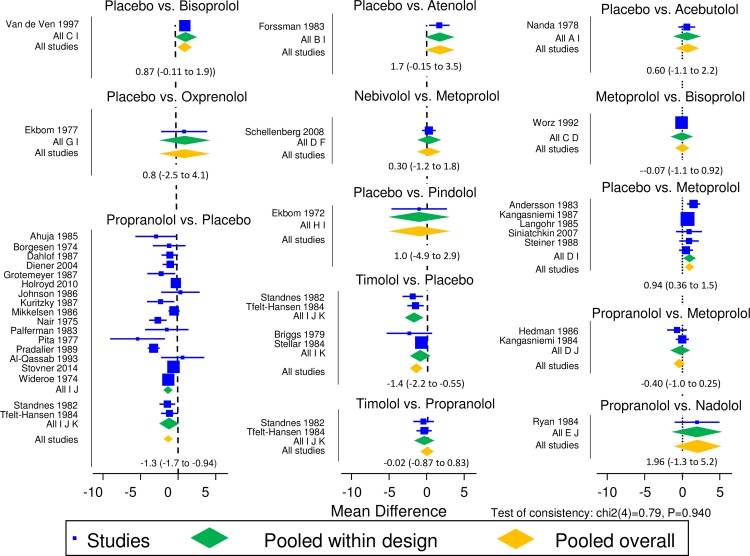
Data synthesis: This study included 108 randomized controlled trials, 50 placebo-controlled and 58 comparative effectiveness trials. Compared to placebo, propranolol reduced episodic migraine headaches by 1.5 headaches/month at 8 weeks (95% CI: -2.3 to -0.65) and was more likely to reduce headaches by 50% (RR: 1.4, 95% CI: 1.1-1.7). Trial Sequential Analysis (TSA) found that these outcomes were unlikely to be due to a Type I error. A network analysis suggested that beta-blocker's benefit for episodic migraines may be a class effect. Trials comparing beta-blockers to other interventions were largely single, underpowered trials. Propranolol was comparable to other medications known to be effective including flunarizine, topiramate and valproate. For chronic migraine, propranolol was more likely to reduce headaches by at least 50% (RR: 2.0, 95% CI: 1.0-4.3). There was only one trial of beta-blockers for tension-type headache.
Conclusions: There is high quality evidence that propranolol is better than placebo for episodic migraine headache. Other comparisons were underpowered, rated as low-quality based on only including single trials, making definitive conclusions about comparative effectiveness impossible. There were few trials examining beta-blocker effectiveness for chronic migraine or tension-type headache though there was limited evidence of benefit.
Registration: Prospero (ID: CRD42017050335).
Conflict of interest statement
The authors have declared that no competing interests exist.
Figures
References
-
- Wang SJ. Epidemiology of migraine and other types of headache in Asia. Current Neurology & Neuroscience Reports 2003; 3(2):104–108. - PubMed
-
- Falavigna A, Teles AR, Velho MC, Vedana VM, Silva RC, Mazzocchin T et al. Prevalence and impact of headache in undergraduate students in Southern Brazil. Arq Neuropsiquiatr 2010; 68(6):873–877. - PubMed
Publication types
MeSH terms
Substances
Associated data
LinkOut - more resources
Full Text Sources
Medical
Research Materials
