


The effect of type 2 diabetes mellitus and obesity on muscle progenitor cell function
- PMID: 30898146
- PMCID: PMC6427880
- DOI: 10.1186/s13287-019-1186-0
The effect of type 2 diabetes mellitus and obesity on muscle progenitor cell function
Abstract
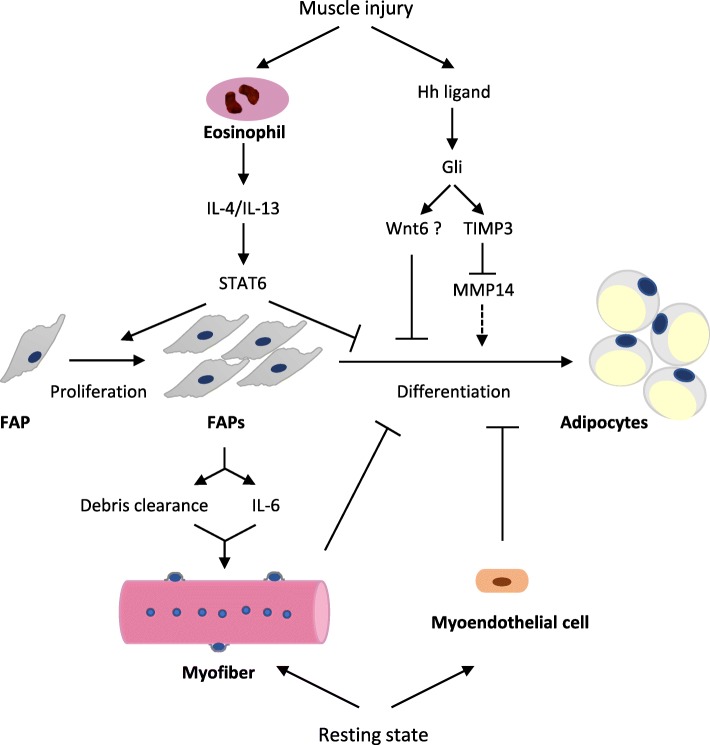
In addition to its primary function to provide movement and maintain posture, the skeletal muscle plays important roles in energy and glucose metabolism. In healthy humans, skeletal muscle is the major site for postprandial glucose uptake and impairment of this process contributes to the pathogenesis of type 2 diabetes mellitus (T2DM). A key component to the maintenance of skeletal muscle integrity and plasticity is the presence of muscle progenitor cells, including satellite cells, fibroadipogenic progenitors, and some interstitial progenitor cells associated with vessels (myo-endothelial cells, pericytes, and mesoangioblasts). In this review, we aim to discuss the emerging concepts related to these progenitor cells, focusing on the identification and characterization of distinct progenitor cell populations, and the impact of obesity and T2DM on these cells. The recent advances in stem cell therapies by targeting diabetic and obese muscle are also discussed.
Keywords: Obesity; Satellite cell; T2DM; muscle progenitor cell.
Conflict of interest statement
Ethics approval and consent to participate
Not applicable
Consent for publication
Not applicable
Competing interests
The authors declare that they have no competing interests.
Publisher’s Note
Springer Nature remains neutral with regard to jurisdictional claims in published maps and institutional affiliations.
Figures
References
Publication types
MeSH terms
LinkOut - more resources
Full Text Sources
Medical
