


Discovery of a natural small-molecule compound that suppresses tumor EMT, stemness and metastasis by inhibiting TGFβ/BMP signaling in triple-negative breast cancer
- PMID: 30898152
- PMCID: PMC6429712
- DOI: 10.1186/s13046-019-1130-2
Discovery of a natural small-molecule compound that suppresses tumor EMT, stemness and metastasis by inhibiting TGFβ/BMP signaling in triple-negative breast cancer
Abstract
Background: The transforming growth factor β (TGFβ) and bone morphogenetic protein (BMP) signaling pathways are both constitutively activated in triple-negative breast cancer (TNBC). We are interested in isolating the naturally-derived small-molecule inhibitor that could simultaneously targeting TGFβ/BMP pathways and further studying its anti-proliferative/-metastatic effects as well as the underlying mechanisms in multiple tumor models.
Methods: Multiple in vitro cell-based assays are used to examine the compound's inhibitory efficacy on TNBC cell growth, stemness, epithelial-mesenchymal transition (EMT), invasion and migration by targeting TGFβ/BMP signaling pathways. Transgenic breast cancer mouse model (MMTV-PyMT), subcutaneous xenograft and bone metastasis models are used to examine ZL170's effects on TNBC growth and metastasis potentials in vivo.
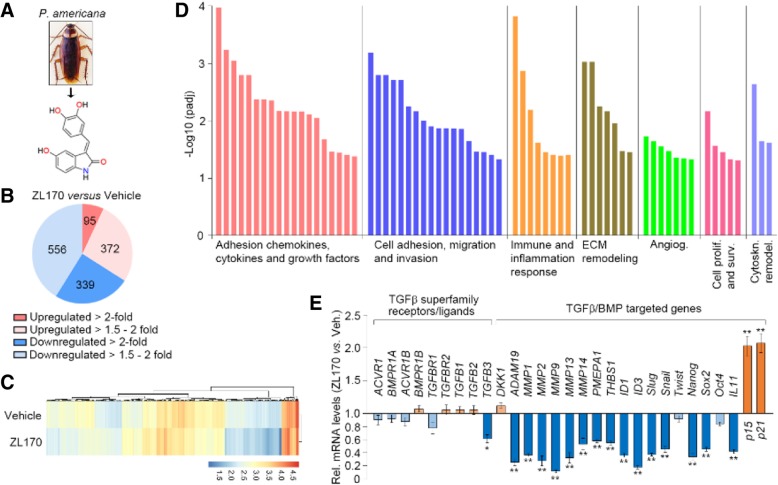
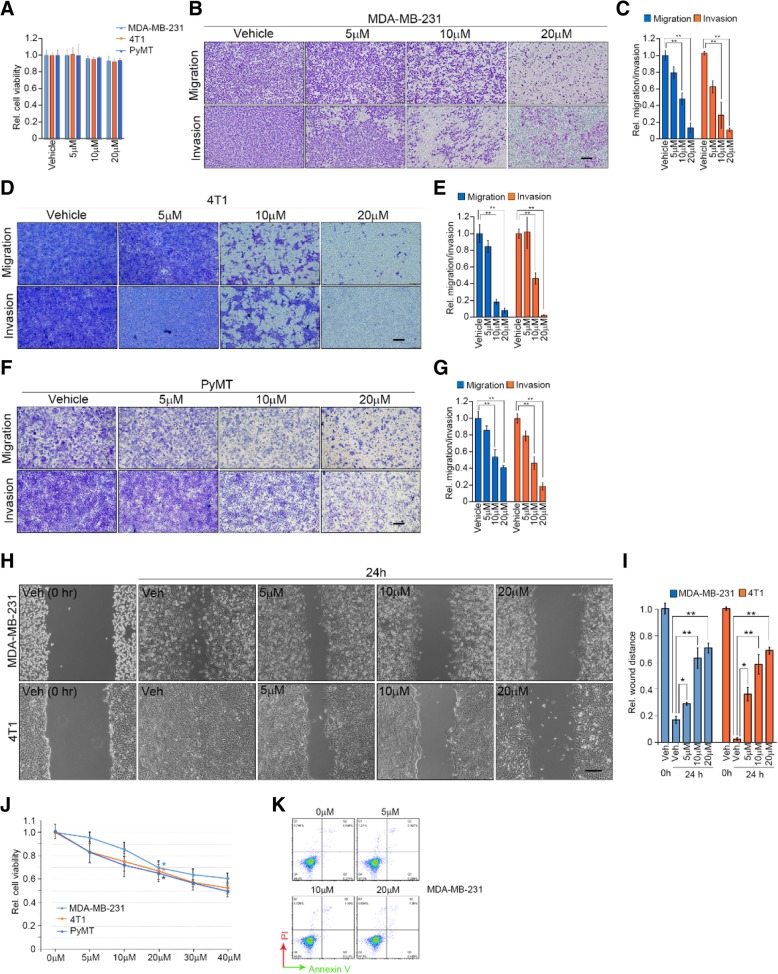
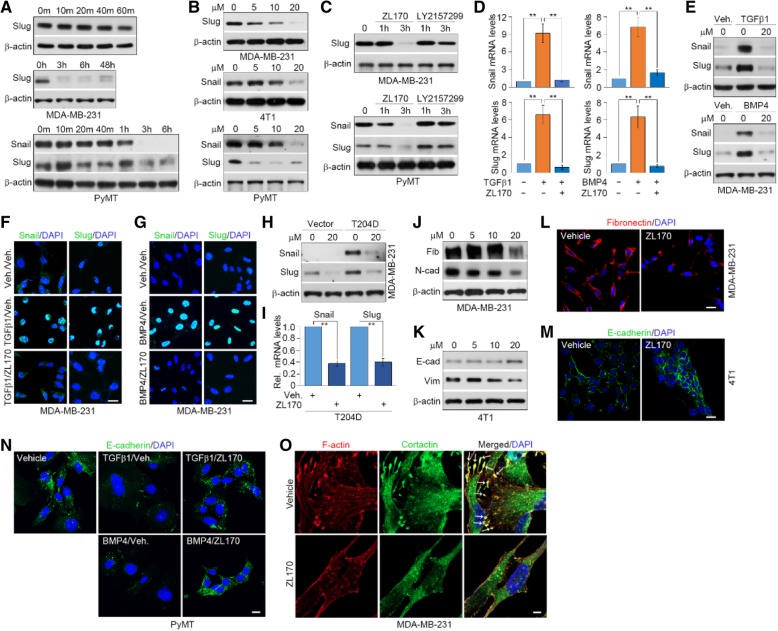
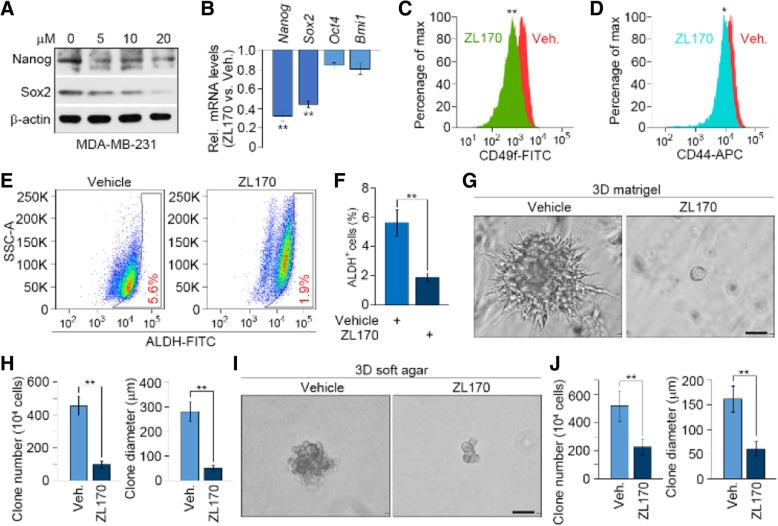
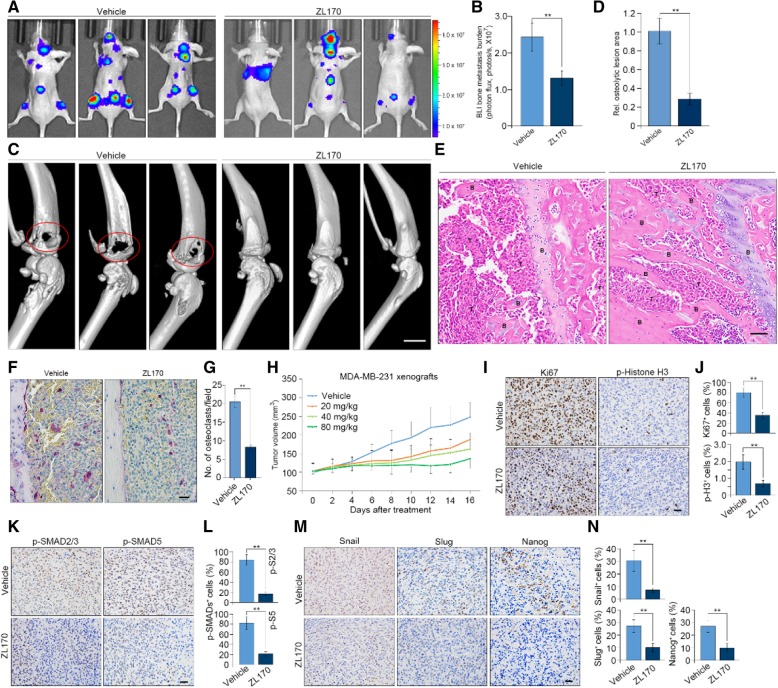
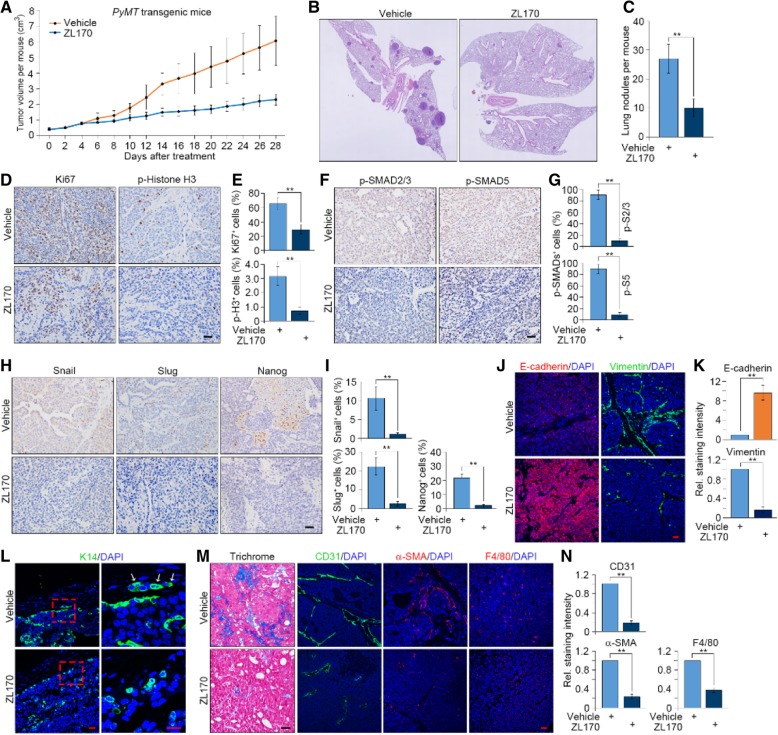
Results: ZL170 dose-dependently inhibits cell proliferation, EMT, stemness, invasion and migration in vitro via specifically targeting canonical TGFβ/BMP-SMADs pathways in TNBC cells. The compound significantly hinders osteolytic bone metastasis and xenograft tumor growth without inflicting toxicity on vital organs of tumor-bearing nude mice. ZL170 strongly inhibits primary tumor growth and lung metastases in MMTV-PyMT transgenic mice. ZL170-treated tumors exhibit impaired TGFβ/BMP signaling pathways in both epithelial and stromal compartments, thereby creating a suppressive tumor microenvironment characterized by reduced extracellular matrix deposition and decreased infiltration of stromal cells.
Conclusions: ZL170 inhibits tumor EMT, stemness and metastasis and could be further developed as a potent anti-metastatic agent used in combination with cytotoxic drugs for treatment of TNBC and other advanced metastatic cancers.
Keywords: Epithelial–mesenchymal transition; Metastasis; TGFβ/BMP; Triple-negative breast cancer; ZL170.
Conflict of interest statement
Ethics approval and consent to participate
The experimental protocol was approved by the Animal Welfare and Ethics Committee of China Pharmaceutical University.
Consent for publication
Not applicable.
Competing interests
The authors declare that they have no competing interests.
Publisher’s Note
Springer Nature remains neutral with regard to jurisdictional claims in published maps and institutional affiliations.
Figures

References
MeSH terms
Substances
Grants and funding
- 81572745/National Natural Science Foundation of China
- 91539115/National Natural Science Foundation of China
- 81603134/National Natural Science Foundation of China
- 81773606/National Natural Science Foundation of China
- 81525026/National Natural Science Fund for Distinguished Young Scholars
- BK20170029/Jiangsu Provincial Natural Science Fund for Distinguished Young Scholars
- BK20160758/Jiangsu Provincial Natural Science Fund for Young Scholars
- SKLNMZZCX201808/State Key Laboratory of Natural Medicines of China Pharmaceutical University
- JCYJ20170412110504956/Shenzhen Government's Plan of Science and Technology
- CPU2018GF02/"Double First-Class" University project
- YP201608/Collaborative Innovation Center of Major Machine Manufacturing in Liaoning (CN)
LinkOut - more resources
Full Text Sources
