Performing group-level functional image analyses based on homologous functional regions mapped in individuals
- PMID: 30908490
- PMCID: PMC6448916
- DOI: 10.1371/journal.pbio.2007032
Performing group-level functional image analyses based on homologous functional regions mapped in individuals
Abstract
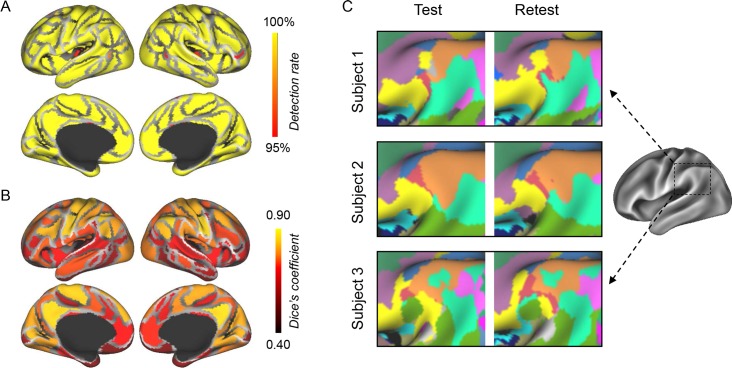
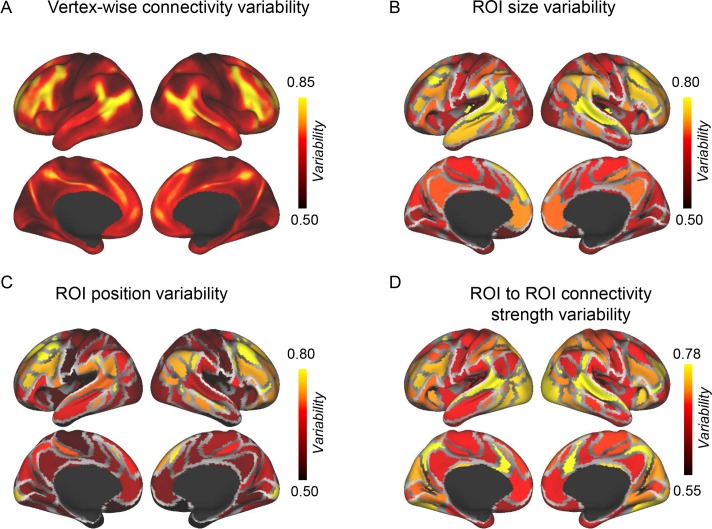
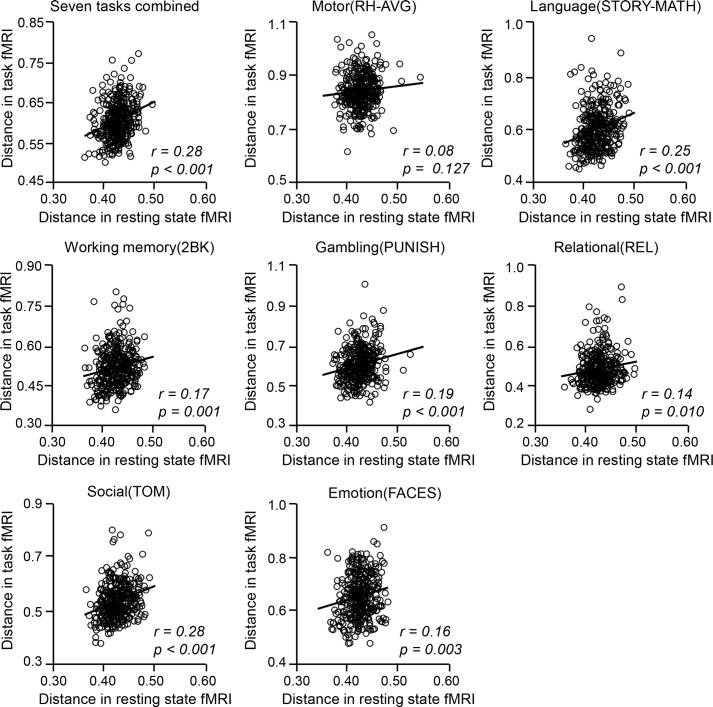
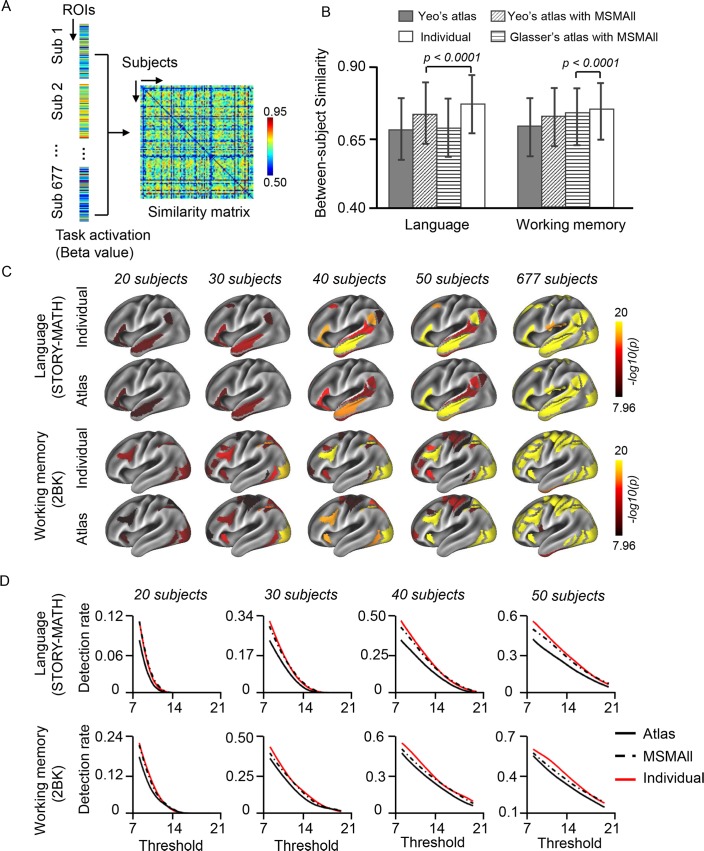
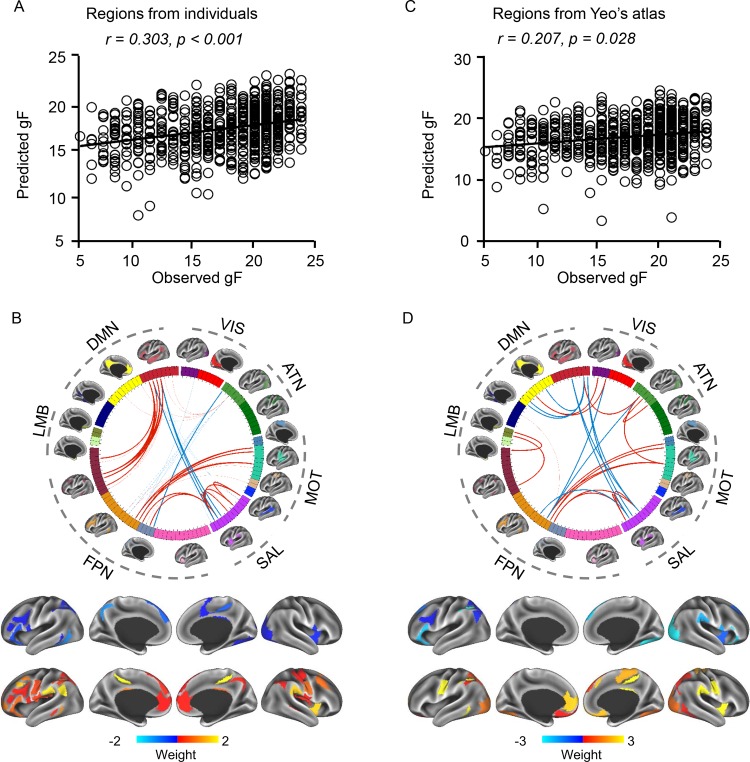
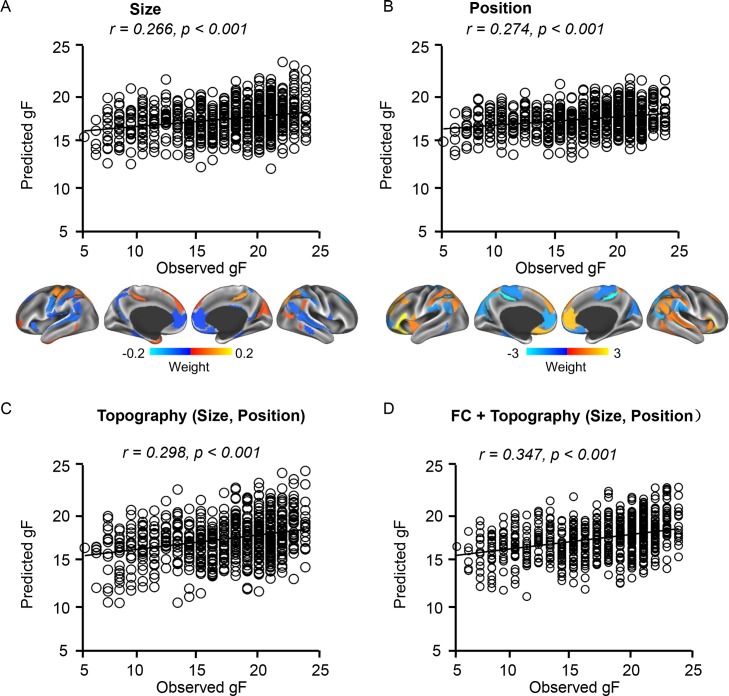
Functional MRI (fMRI) studies have traditionally relied on intersubject normalization based on global brain morphology, which cannot establish proper functional correspondence between subjects due to substantial intersubject variability in functional organization. Here, we reliably identified a set of discrete, homologous functional regions in individuals to improve intersubject alignment of fMRI data. These functional regions demonstrated marked intersubject variability in size, position, and connectivity. We found that previously reported intersubject variability in functional connectivity maps could be partially explained by variability in size and position of the functional regions. Importantly, individual differences in network topography are associated with individual differences in task-evoked activations, suggesting that these individually specified regions may serve as the "localizer" to improve the alignment of task-fMRI data. We demonstrated that aligning task-fMRI data using the regions derived from resting state fMRI may lead to increased statistical power of task-fMRI analyses. In addition, resting state functional connectivity among these homologous regions is able to capture the idiosyncrasies of subjects and better predict fluid intelligence (gF) than connectivity measures derived from group-level brain atlases. Critically, we showed that not only the connectivity but also the size and position of functional regions are related to human behavior. Collectively, these findings suggest that identifying homologous functional regions across individuals can benefit a wide range of studies in the investigation of connectivity, task activation, and brain-behavior associations.
Conflict of interest statement
The authors have declared that no competing interests exist.
Figures
References
-
- Evans AC, Collins DL, Mills SR, Brown ED, Kelly R, Peters TM, editors. 3D statistical neuroanatomical models from 305 MRI volumes. 1993 IEEE Conference Record Nuclear Science Symposium and Medical Imaging Conference; 1993 31 Oct-6 Nov 1993.
-
- Amunts K, Kedo O, Kindler M, Pieperhoff P, Mohlberg H, Shah NJ, et al. Cytoarchitectonic mapping of the human amygdala, hippocampal region and entorhinal cortex: intersubject variability and probability maps. Anatomy and Embryology. 2005;210(5):343–52. - PubMed
-
- Amunts K, Schleicher A, Burgel U, Mohlberg H, Uylings HB, Zilles K. Broca's region revisited: cytoarchitecture and intersubject variability. J Comp Neurol. 1999;412(2):319–41. - PubMed
Publication types
MeSH terms
Grants and funding
LinkOut - more resources
Full Text Sources
Medical