


Roles for osteocalcin in brain signalling: implications in cognition- and motor-related disorders
- PMID: 30909971
- PMCID: PMC6434857
- DOI: 10.1186/s13041-019-0444-5
Roles for osteocalcin in brain signalling: implications in cognition- and motor-related disorders
Abstract
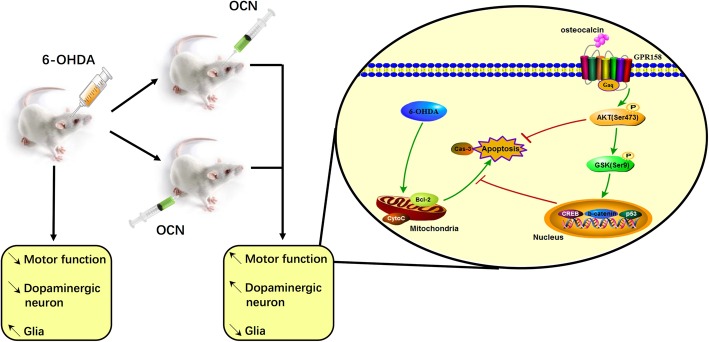
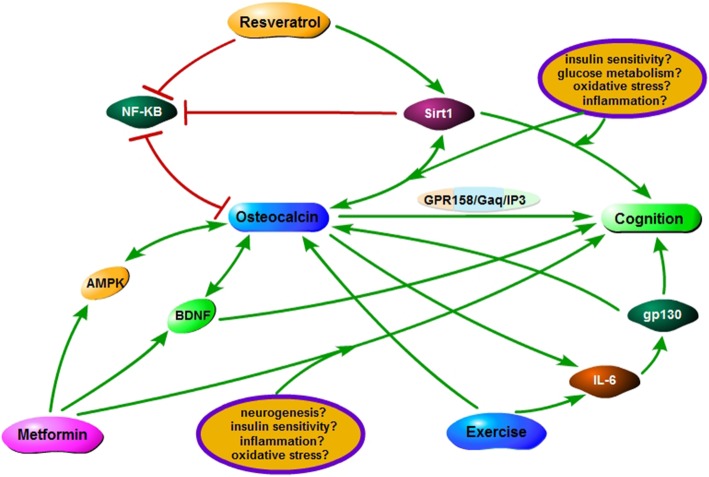
It is now generally accepted that the extra-skeleton functionalities of bone are multifaceted. Its endocrine functions came first to light when it was realized that osteoblasts, the bone forming cells, maintain energy homeostasis by improving glucose metabolism, insulin sensitivity and energy expenditure through osteocalcin, a multipurpose osteokine secreted by osteoblasts. Recently, the emerging knowledge on the functional aspects of this osteokine expanded to properties including adult and maternal regulation of cognitive functions. Therapeutic potential of this osteokine has also been recently reported in experimental Parkinson's disease models. This review highlights such findings on the functions of osteocalcin in the brain and emphasizes on exploring and analyzing much more in-depth basic and clinical studies.
Keywords: Behavior; Bone; Brain; Cognition; Osteocalcin; Parkinson’s disease.
Conflict of interest statement
Ethics approval and consent to participate
Not applicable.
Consent for publication
All authors agreed to publish this article.
Competing interests
The authors declare that they have no competing interests.
Publisher’s Note
Springer Nature remains neutral with regard to jurisdictional claims in published maps and institutional affiliations.
Figures
References
-
- Burr DB, Bellido T, White KE. 6 - bone structure and function. In: Hochberg MC, Silman AJ, Smolen JS, Weinblatt ME, Weisman MH, editors. Rheumatology (sixth edition), content repository only! Philadelphia; 2015. p. 42–55. 10.1016/B978-0-323-09138-1.00006-1.
Publication types
MeSH terms
Substances
LinkOut - more resources
Full Text Sources
