


Scalp acupuncture treatment for children's autism spectrum disorders: A systematic review and meta-analysis
- PMID: 30921186
- PMCID: PMC6456017
- DOI: 10.1097/MD.0000000000014880
Scalp acupuncture treatment for children's autism spectrum disorders: A systematic review and meta-analysis
Abstract
Background: Autism spectrum disorder (ASD) is a neurodevelopment disorder without definitive cure. Previous studies have provided evidences for efficacy and safety of scalp acupuncture in children with ASD. However, the efficacy of scalp acupuncture treatment (SAT) in children with ASD has not been evaluated systematically. The objective of this study is to evaluate the efficacy of SAT in children with ASD.
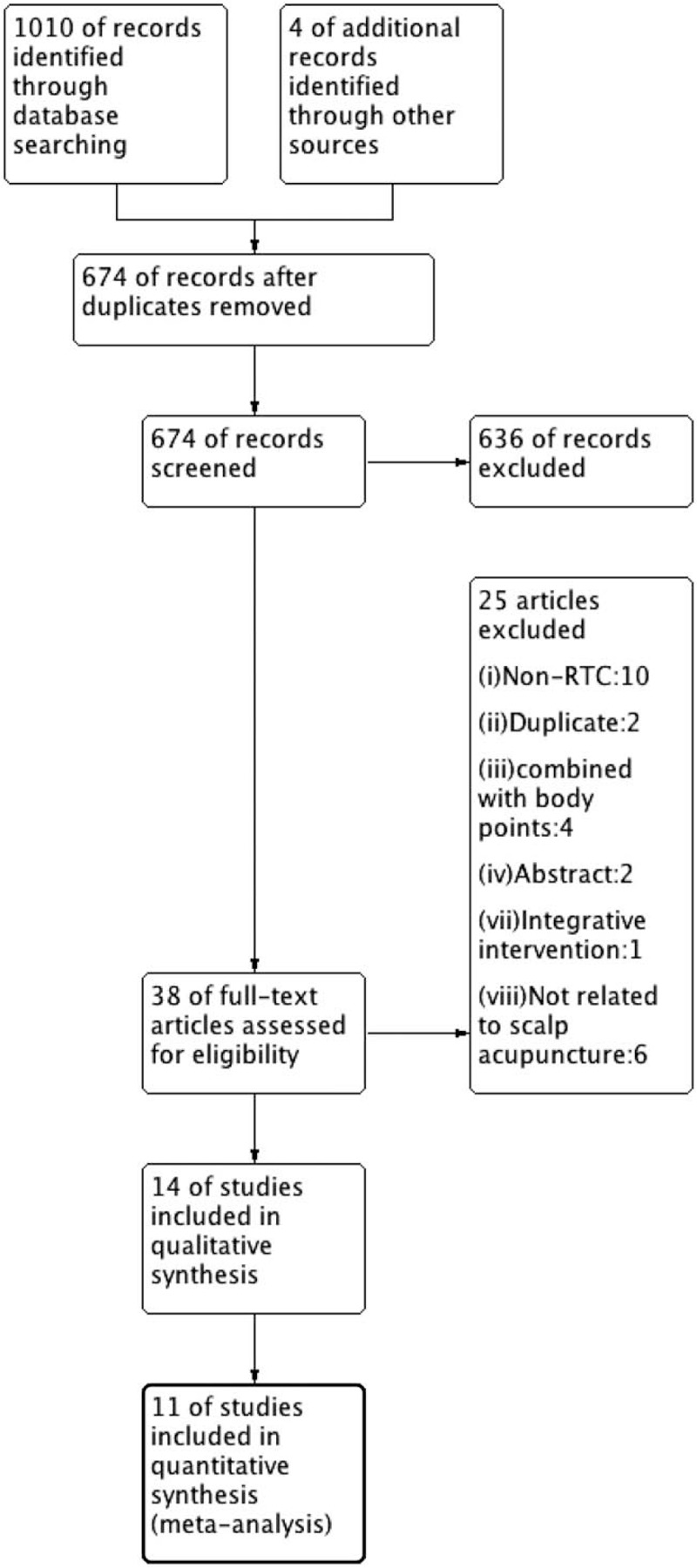
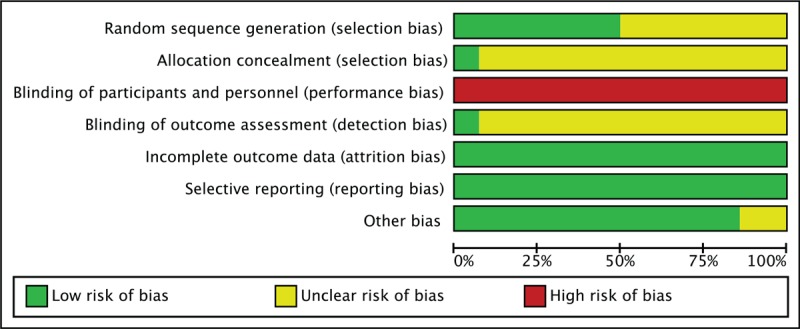
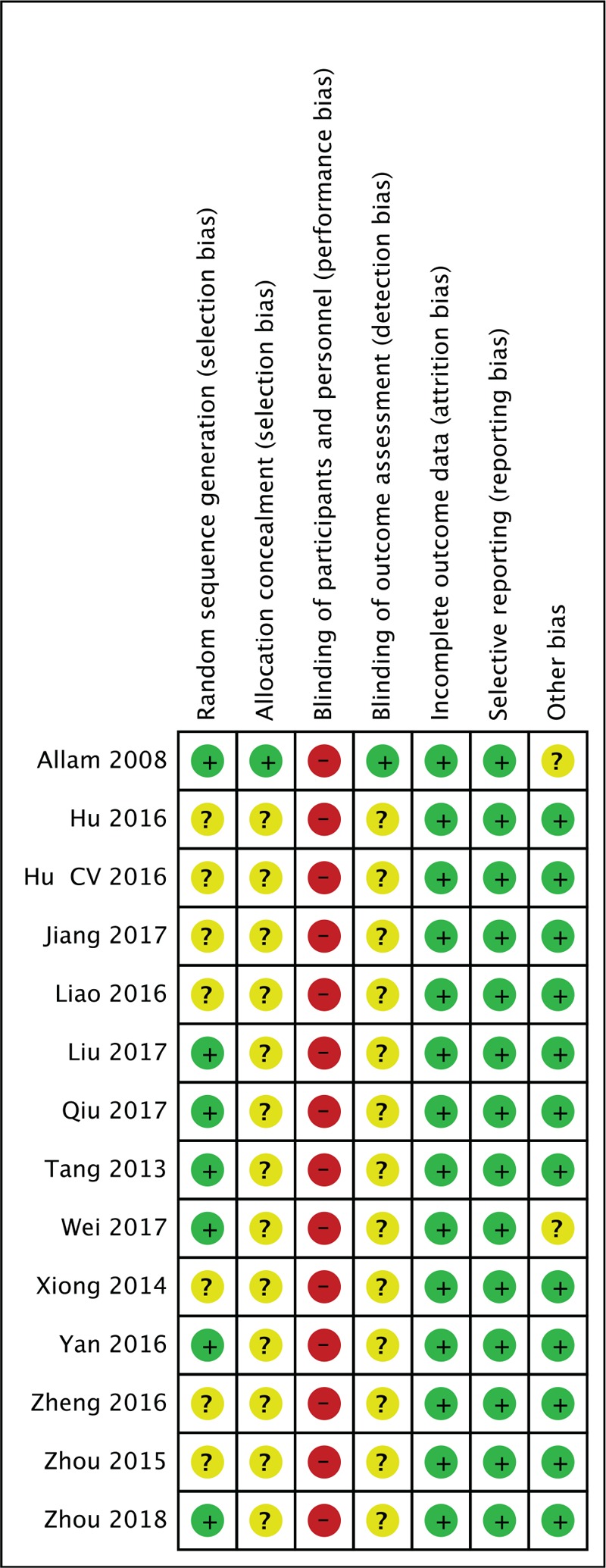
Methods: Information from 6 databases, including MEDLINE, EMBASE, Cochrane database, AMED, China National Knowledge Infrastructure, and Wanfang Data, were retrieved from the inception of each database from 1980 through September 2018. Randomized controlled trials evaluating the efficacy of SAT for patients with ASD were included. The primary outcome measures were the Childhood Autism Rating Scale (CARS) and Autism Behavior Checklist (ABC). The secondary outcome measures were Psychoeducational Profile (Third Edition) (PEP-3) scores. Risk of bias assessment and data synthesis were conducted with Review Manager 5.3 software. Methodological quality was assessed with the Cochrane risk of bias tool.
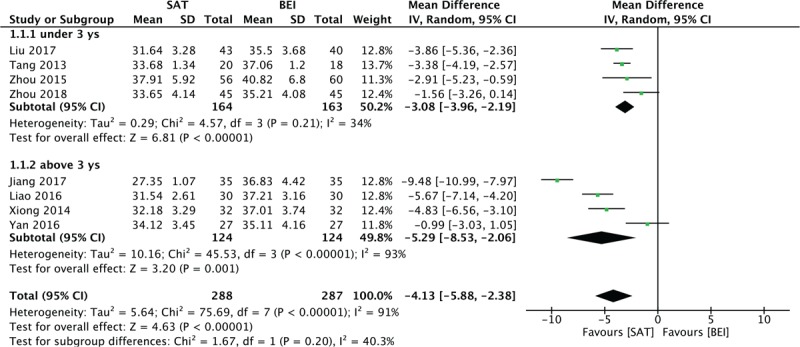
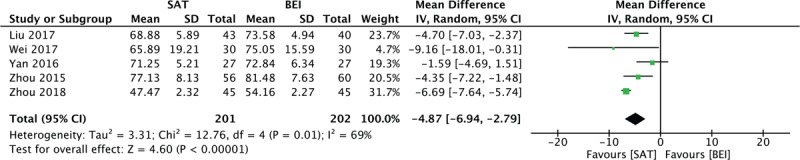
Results: Fourteen trials with 968 participants were conducted and 11 of the trials were suitable for meta-analysis. Compared with behavioral and educational interventions, SAT significantly decreased the overall CARS scores for children under 3 years old (mean difference (MD) = 3.08, 95% confidence interval (CI) [-3.96, -2.19], P < .001) and above 3 years old (MD = 5.29, 95% CI [-8.53, -2.06], P < .001), ABC scores (MD = 4.70, 95% CI [-6.94, -2.79], P < .001). Furthermore, SAT significantly improved PEP-3 scores in communication (MD = 3.61, 95% CI [2.85, 4.37], P < .001), physical ability (MD = 2.00, 95% CI [1.16, 2.84], P < .001), and behavior (MD = 2.76, 95% CI [1.80, 2.71], P < .001).
Conclusion: SAT may be an effective treatment for children with ASD. Given the heterogeneity and number of participants, randomized controlled trials of high quality and design are required before widespread application of this therapy.
Conflict of interest statement
The authors have no conflicts of interest to disclose.
Figures



References
-
- American Psychiatric Association. Autism spectrum disorder. In: Diagnostic and Statistical Manual of Mental Disorders. 5th ed. Seoul: Hakjisa; 2013:50–60.
-
- World Health Organization (WHO). Autism spectrum disorders: Fact sheet. Accessed May 21, 2017.
-
- Myers SM, Johnson CP. Management of children with autism spectrum disorders. Pediatrics 2007;120:1162–82. - PubMed
-
- McVoy M, Findling RL. Child and adolescent psychopharmacology update. Psychiatr Clin North Am 2009;32:111–33. - PubMed
-
- McCracken JT, McGough J, Shah B, et al. Risperidone in children with autism and serious behavioral problems. N Engl J Med 2002;347:314–21. - PubMed
Publication types
MeSH terms
LinkOut - more resources
Full Text Sources
Other Literature Sources
Medical
Research Materials
Miscellaneous
