


Cochlear Implantation: An Overview
- PMID: 30931225
- PMCID: PMC6438790
- DOI: 10.1055/s-0038-1669411
Cochlear Implantation: An Overview
Abstract
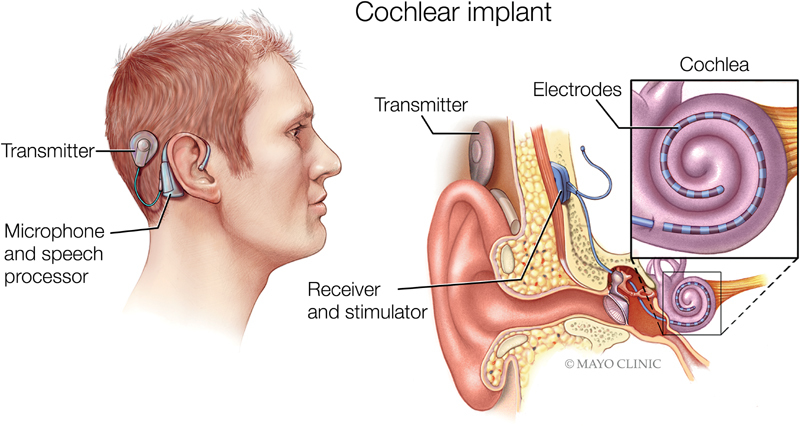
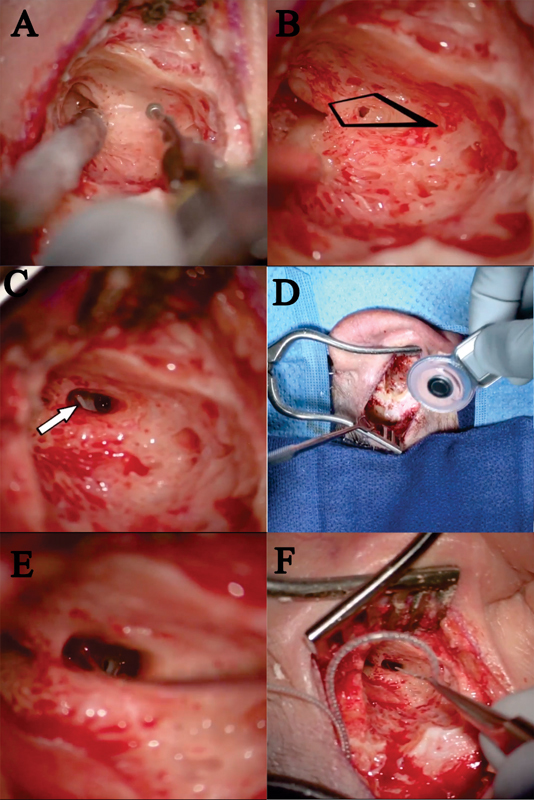
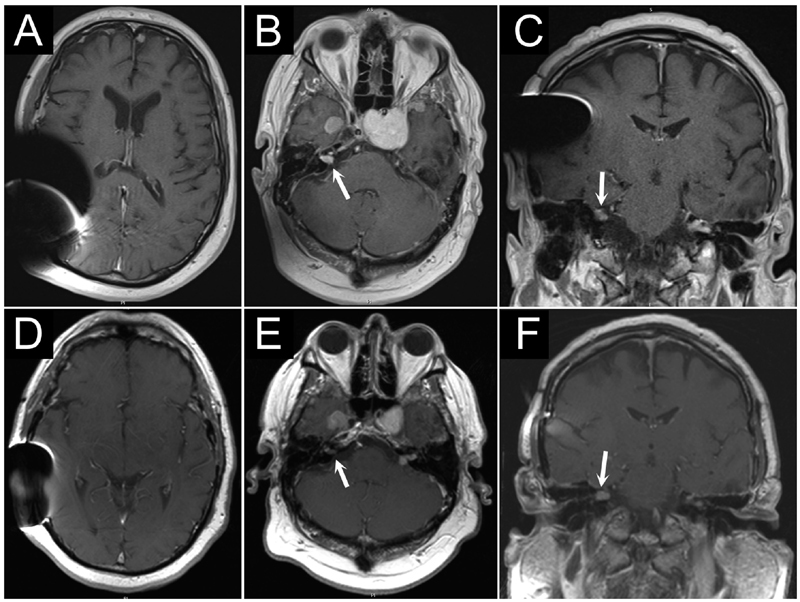
A cochlear implant (CI) is a surgically implanted device for the treatment of severe to profound sensorineural hearing loss in children and adults. It works by transducing acoustic energy into an electrical signal, which is used to stimulate surviving spiral ganglion cells of the auditory nerve. The past 2 decades have witnessed an exponential rise in the number of CI surgeries performed. Continual developments in programming strategies, device design, and minimally traumatic surgical technique have demonstrated the safety and efficacy of CI surgery. As a result, candidacy guidelines have expanded to include both pre and postlingually deaf children as young as 1 year of age, and those with greater degrees of residual hearing. A growing proportion of patients are undergoing CI for off-label or nontraditional indications including single-sided deafness, retrocochlear hearing loss, asymmetrical sensorineural hearing loss (SNHL) in adults and children with at least 1 ear that is better than performance cut-off for age, and children less than 12 months of age. Herein, we review CI design, clinical evaluation, indications, operative technique, and outcomes. We also discuss the expanding indications for CI surgery as it relates to lateral skull base pathology, comparing CI to auditory brainstem implants, and address the concerns with obtaining magnetic resonance imaging (MRI) in CI recipients.
Keywords: auditory brainstem implant; auditory nerve; auditory prosthesis; cochlear implantation; electric stimulation; hearing loss.
Conflict of interest statement
Figures
References
-
- Gantz B J, Turner C, Gfeller K E, Lowder M W. Preservation of hearing in cochlear implant surgery: advantages of combined electrical and acoustical speech processing. Laryngoscope. 2005;115(05):796–802. - PubMed
-
- Sharma A, Gilley P M, Dorman M F, Baldwin R. Deprivation-induced cortical reorganization in children with cochlear implants. Int J Audiol. 2007;46(09):494–499. - PubMed
LinkOut - more resources
Full Text Sources
Other Literature Sources
Miscellaneous
