Protein denaturation at the air-water interface and how to prevent it
- PMID: 30932812
- PMCID: PMC6443348
- DOI: 10.7554/eLife.42747
Protein denaturation at the air-water interface and how to prevent it
Abstract
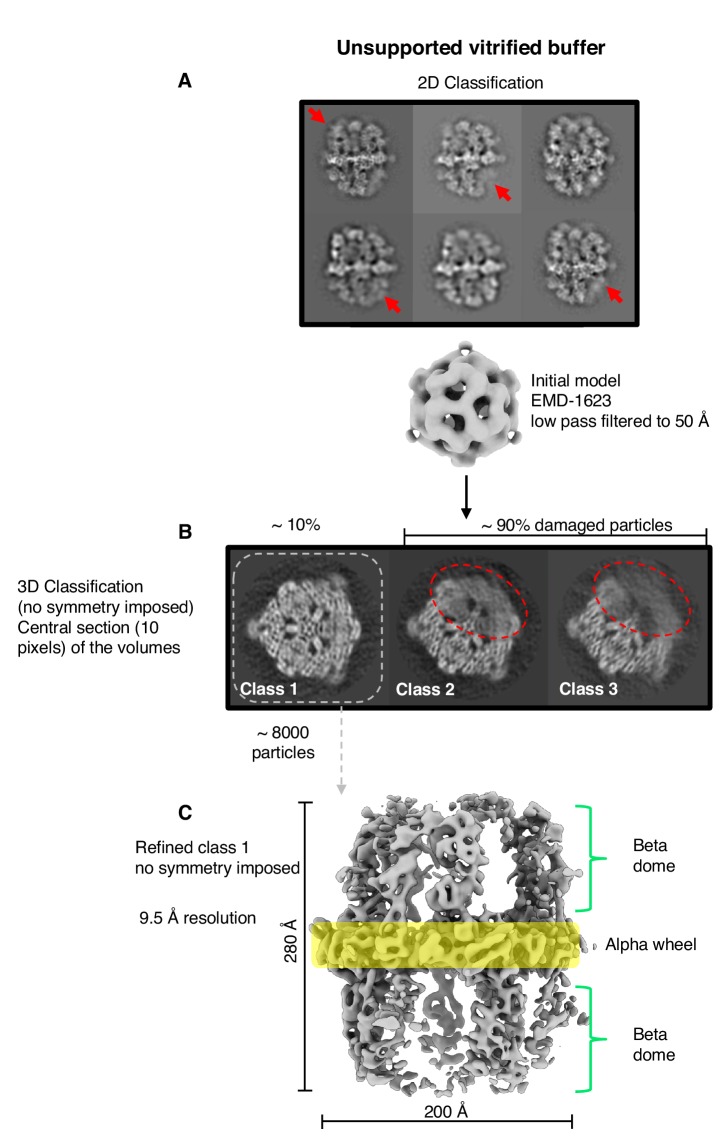
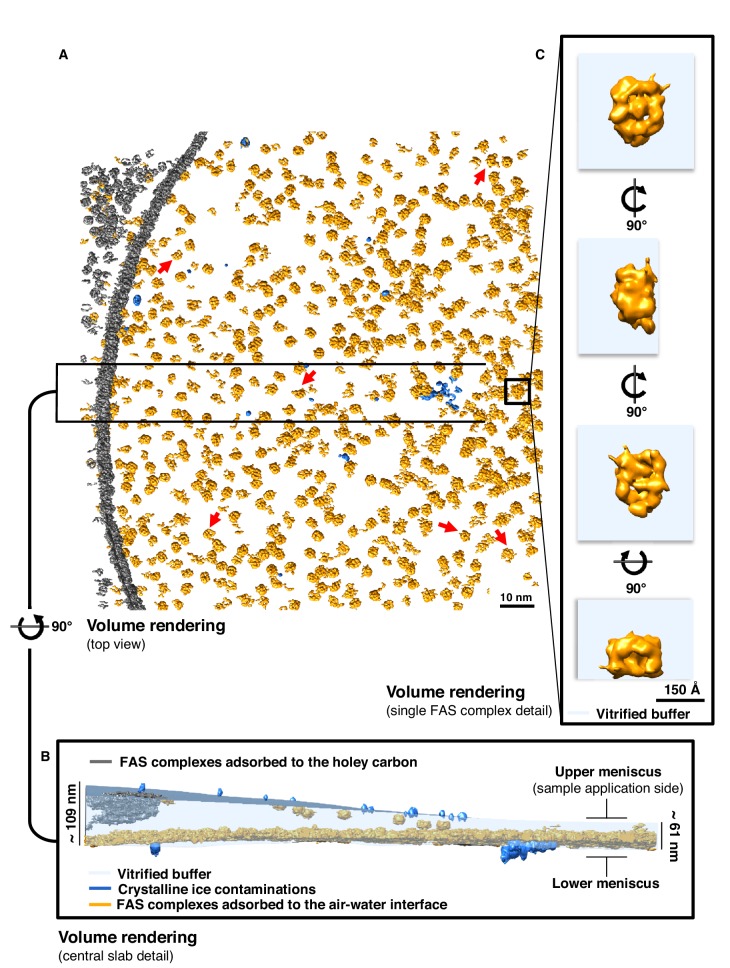
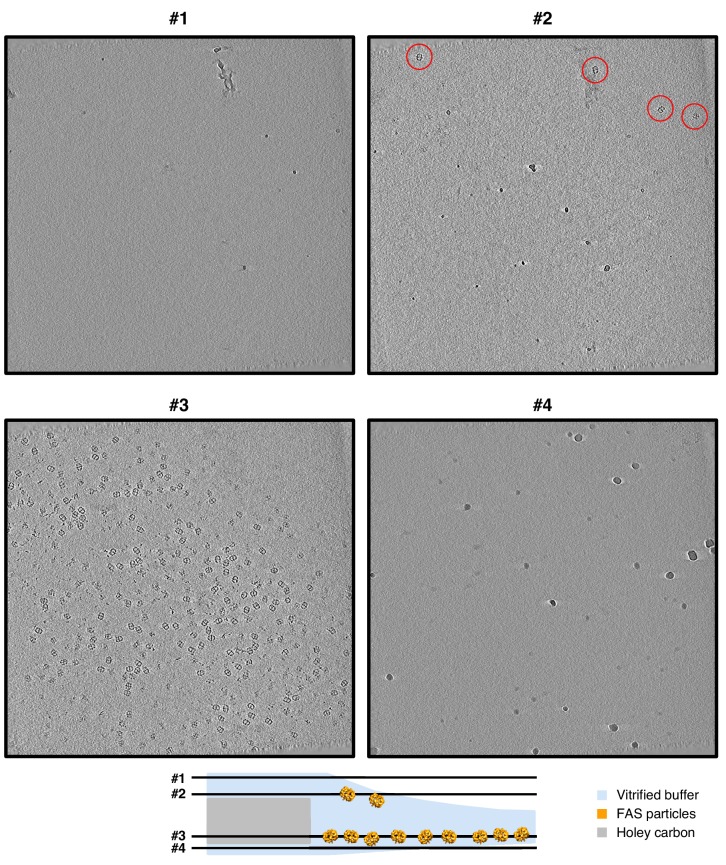
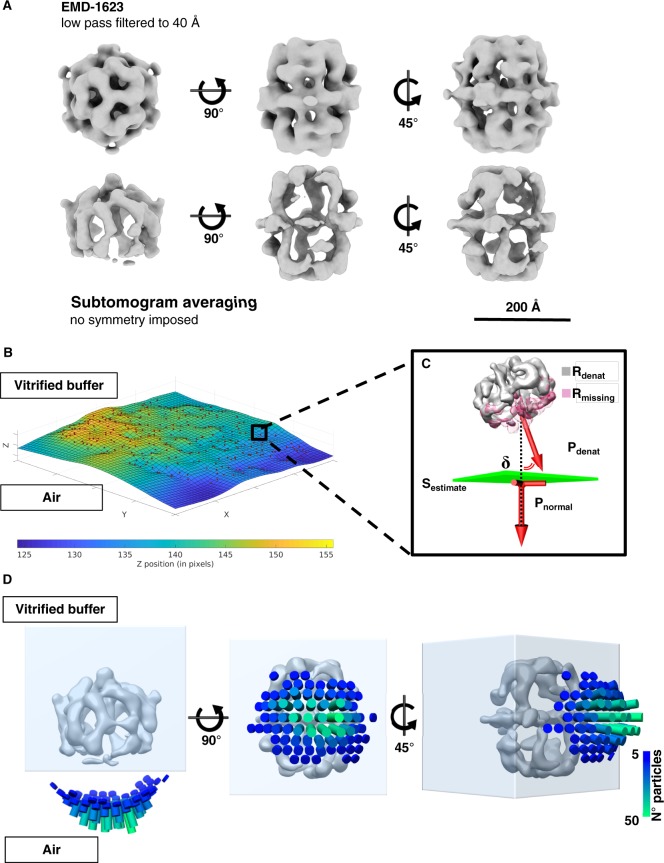
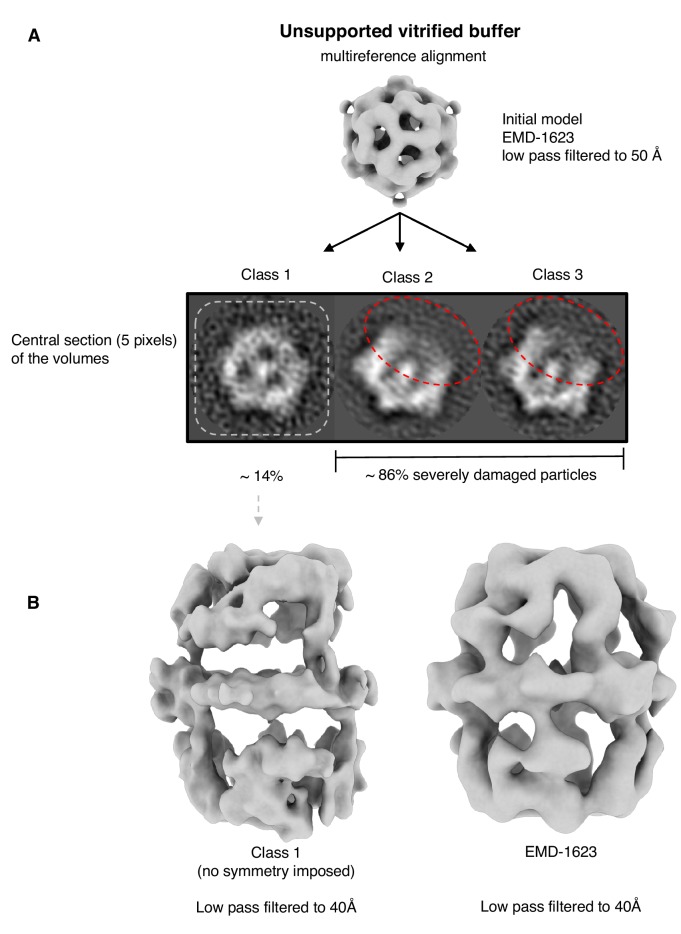
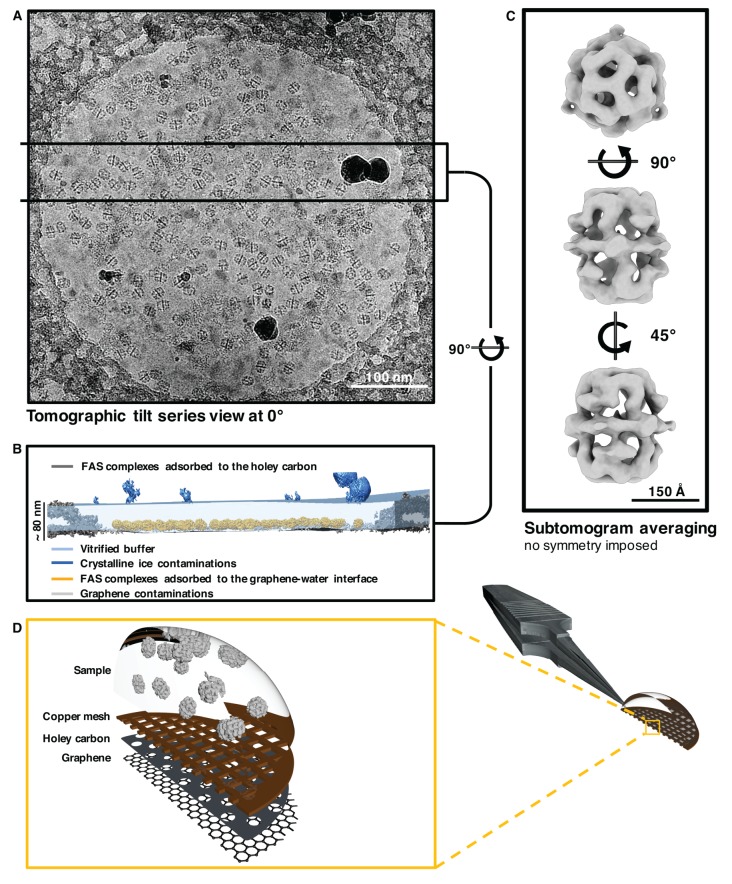
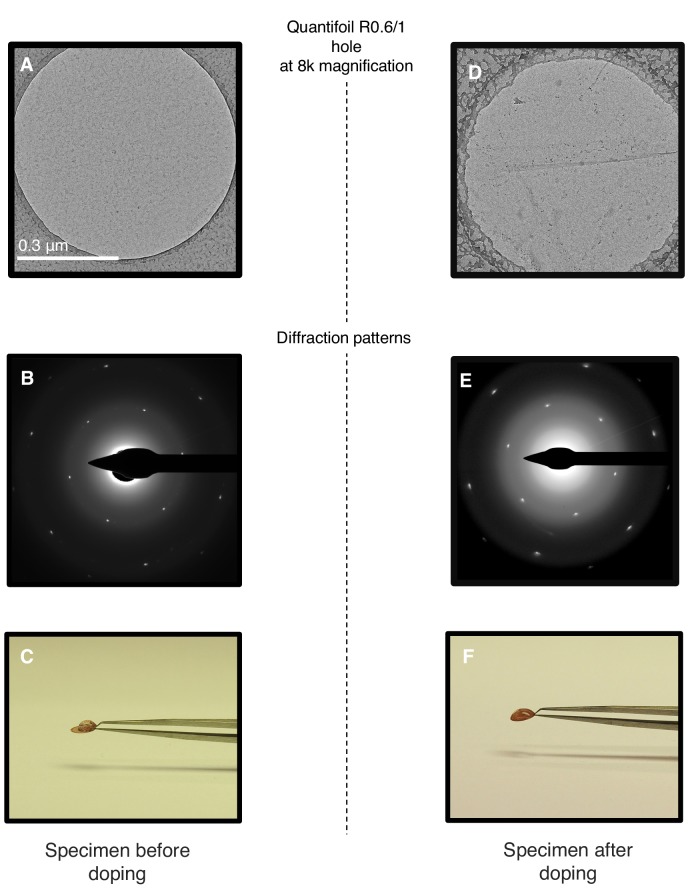
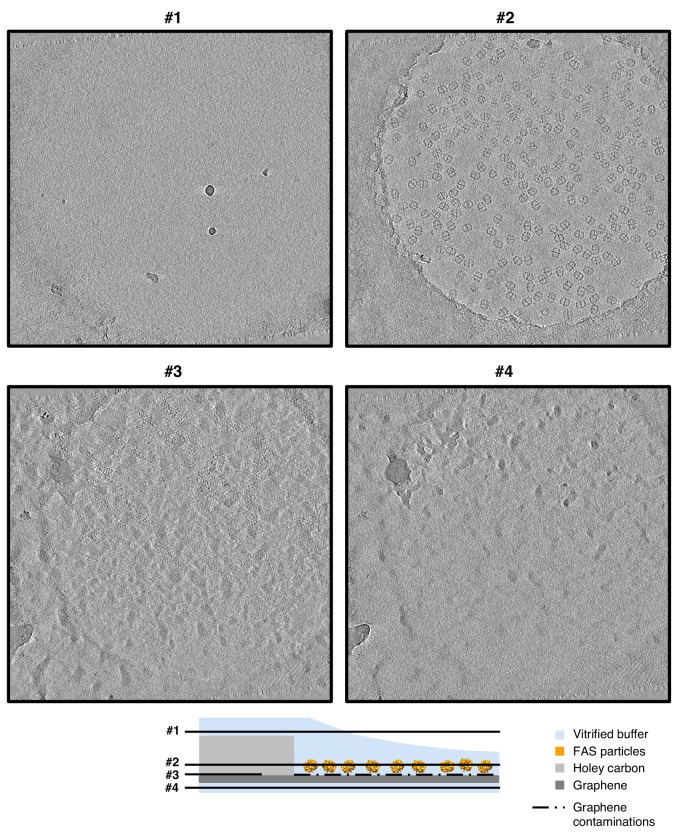
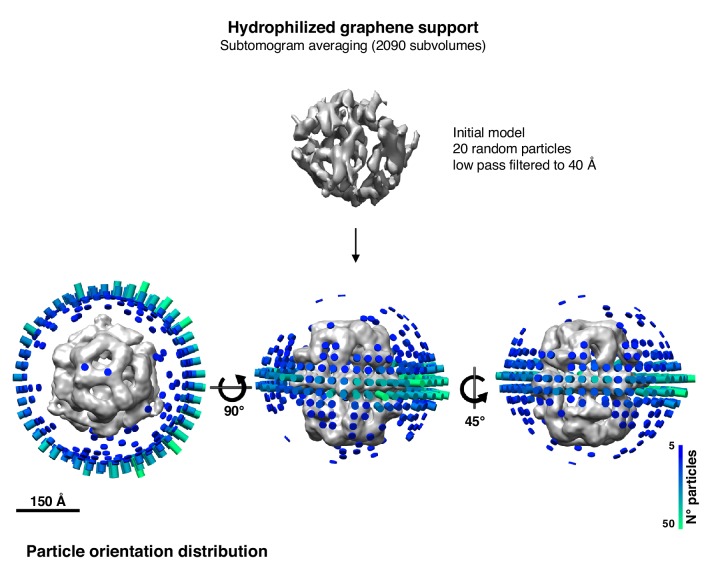
Electron cryo-microscopy analyzes the structure of proteins and protein complexes in vitrified solution. Proteins tend to adsorb to the air-water interface in unsupported films of aqueous solution, which can result in partial or complete denaturation. We investigated the structure of yeast fatty acid synthase at the air-water interface by electron cryo-tomography and single-particle image processing. Around 90% of complexes adsorbed to the air-water interface are partly denatured. We show that the unfolded regions face the air-water interface. Denaturation by contact with air may happen at any stage of specimen preparation. Denaturation at the air-water interface is completely avoided when the complex is plunge-frozen on a substrate of hydrophilized graphene.
Keywords: CryoEM; CryoET; Graphene; Protein denaturation; S. cerevisiae; molecular biophysics; structural biology.
© 2019, D'Imprima et al.
Conflict of interest statement
ED, DF, MJ, RS, MG No competing interests declared, WK Reviewing editor, eLife
Figures
References
Publication types
MeSH terms
Substances
Grants and funding
LinkOut - more resources
Full Text Sources
Other Literature Sources