


HDAC6 Modulates Signaling Pathways Relevant to Synaptic Biology and Neuronal Differentiation in Human Stem-Cell-Derived Neurons
- PMID: 30935091
- PMCID: PMC6480207
- DOI: 10.3390/ijms20071605
HDAC6 Modulates Signaling Pathways Relevant to Synaptic Biology and Neuronal Differentiation in Human Stem-Cell-Derived Neurons
Abstract
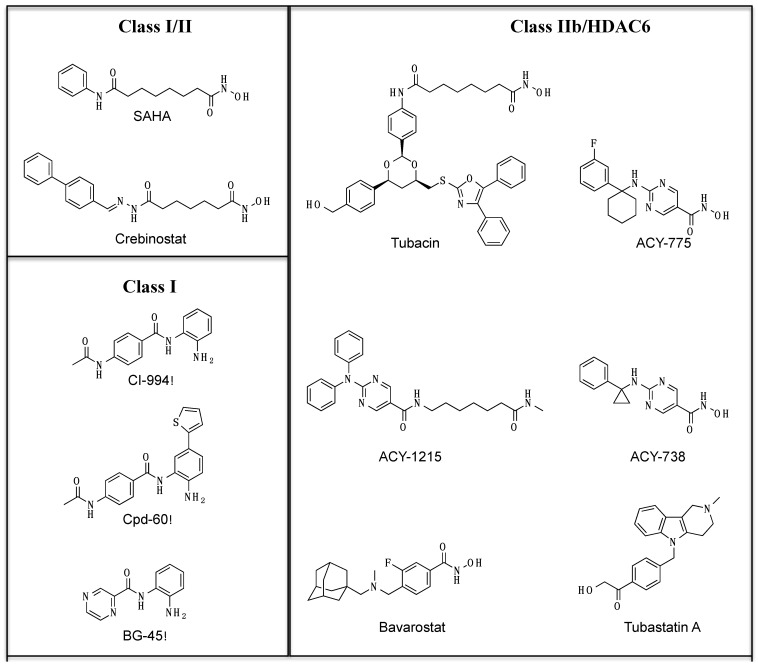
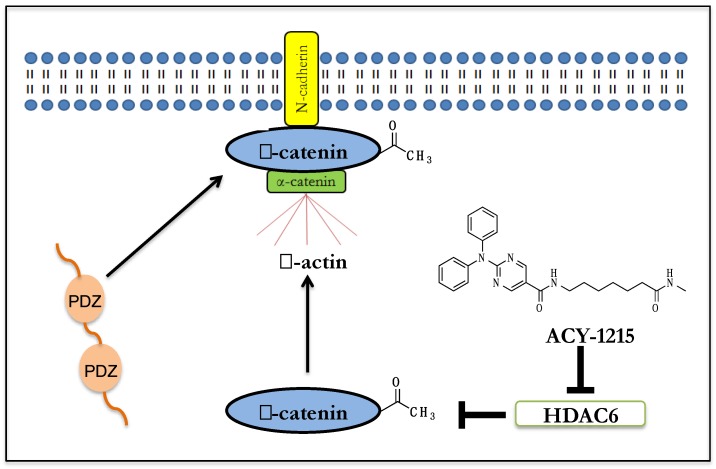
Recent studies show that histone deacetylase 6 (HDAC6) has important roles in the human brain, especially in the context of a number of nervous system disorders. Animal models of neurodevelopmental, neurodegenerative, and neuropsychiatric disorders show that HDAC6 modulates important biological processes relevant to disease biology. Pan-selective histone deacetylase (HDAC) inhibitors had been studied in animal behavioral assays and shown to induce synaptogenesis in rodent neuronal cultures. While most studies of HDACs in the nervous system have focused on class I HDACs located in the nucleus (e.g., HDACs 1,2,3), recent findings in rodent models suggest that the cytoplasmic class IIb HDAC, HDAC6, plays an important role in regulating mood-related behaviors. Human studies suggest a significant role for synaptic dysfunction in the prefrontal cortex (PFC) and hippocampus in depression. Studies of HDAC inhibitors (HDACi) in human neuronal cells show that HDAC6 inhibitors (HDAC6i) increase the acetylation of specific lysine residues in proteins involved in synaptogenesis. This has led to the hypothesis that HDAC6i may modulate synaptic biology not through effects on the acetylation of histones, but by regulating acetylation of non-histone proteins.
Keywords: AKT; HDAC inhibitor; HDAC6; acetylation; neuronal differentiation; synapse; β-catenin.
Conflict of interest statement
The authors declare no conflict of interest.
Figures
References
Publication types
MeSH terms
Substances
Grants and funding
LinkOut - more resources
Full Text Sources
Miscellaneous
