


A systematic review of cardiovascular responses associated with ambient black carbon and fine particulate matter
- PMID: 30953813
- PMCID: PMC8517909
- DOI: 10.1016/j.envint.2019.02.027
A systematic review of cardiovascular responses associated with ambient black carbon and fine particulate matter
Abstract
Background: Exposure to fine particulate matter (PM2.5), an ambient air pollutant with mass-based standards promulgated under the Clean Air Act, and black carbon (BC), a common component of PM2.5, are both associated with cardiovascular health effects.
Objectives: To elucidate whether BC is associated with distinct, or stronger, cardiovascular responses compared to PM2.5, we conducted a systematic review. We evaluated the associations of short- and long-term BC, or the related component elemental carbon (EC), with cardiovascular endpoints including heart rate variability, heart rhythm, blood pressure and vascular function, ST segment depression, repolarization abnormalities, atherosclerosis and heart function, in the context of what is already known about PM2.5.
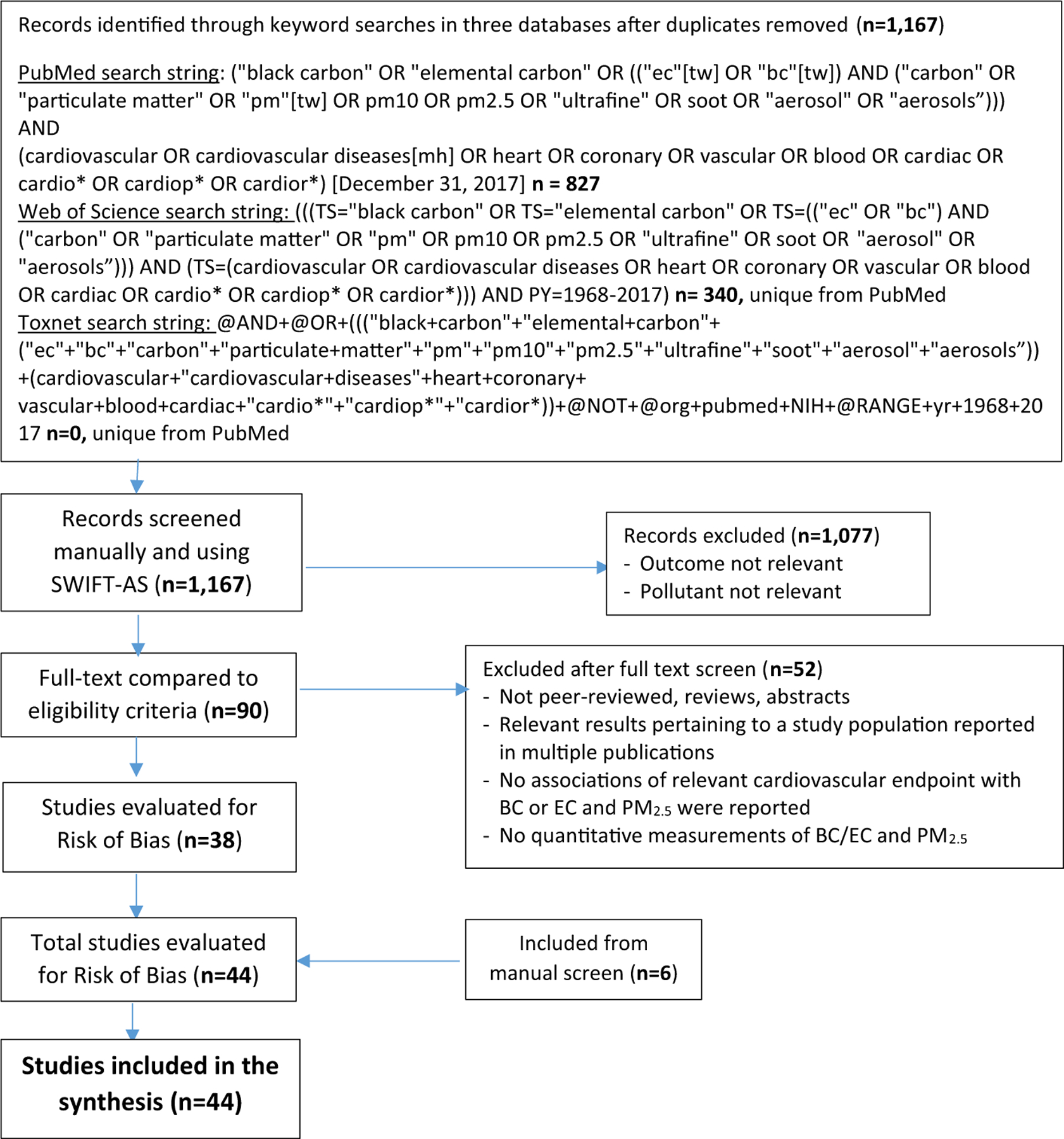
Data sources: We conducted a stepwise systematic literature search of the PubMed, Web of Science and TOXLINE databases and applied Preferred Reporting Items for Systematic Review and Meta-Analyses (PRISMA) guidelines for reporting our results.
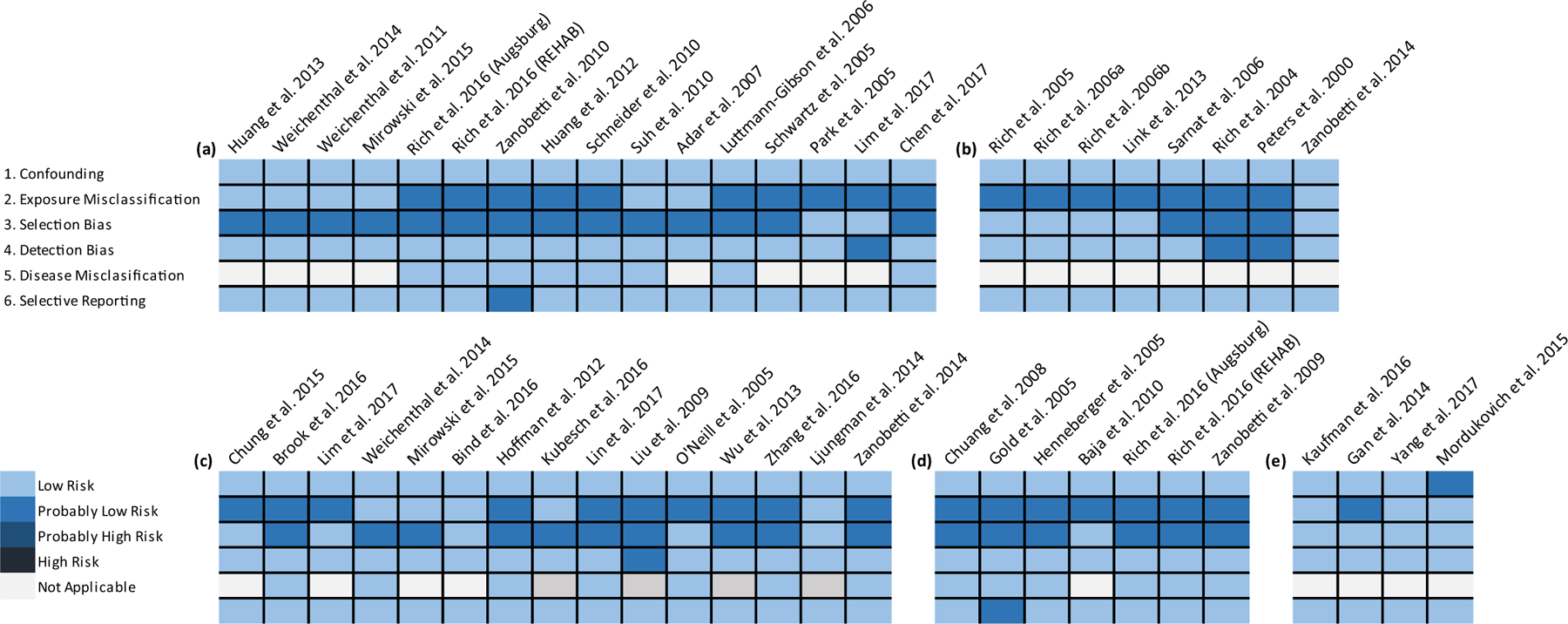
Study eligibility criteria: Studies reporting effect estimates for the association of quantitative measurements of ambient BC (or EC) and PM2.5, with relevant cardiovascular endpoints (i.e. meeting inclusion criteria) were included in the review. Included studies were evaluated for risk of bias in study design and results.
Study appraisal and synthesis methods: Risk of bias evaluations assessed aspects of internal validity of study findings based on study design, conduct, and reporting to identify potential issues related to confounding or other biases. Study results are presented to facilitate comparison of the consistency of associations with PM2.5 and BC within and across studies.
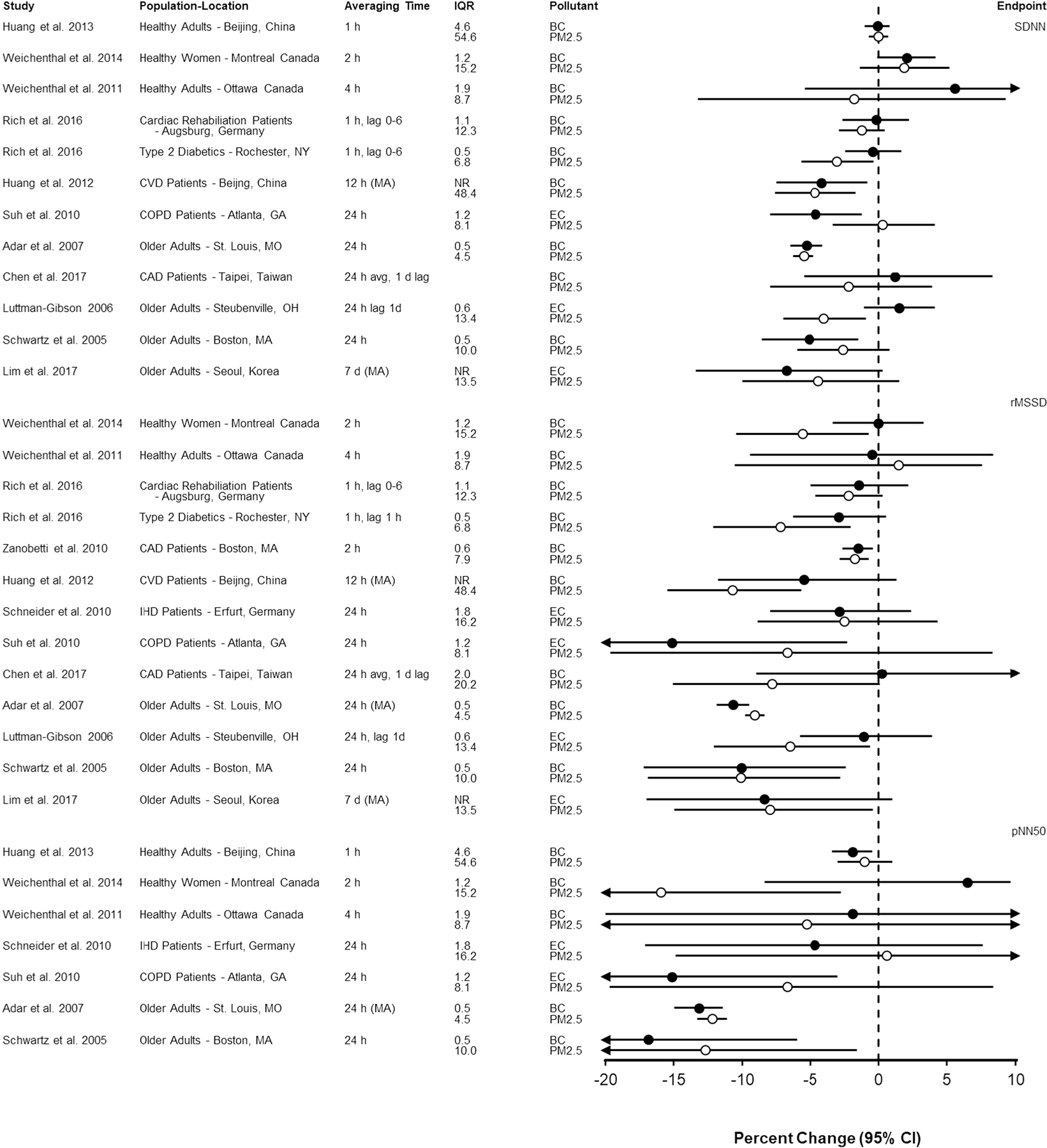
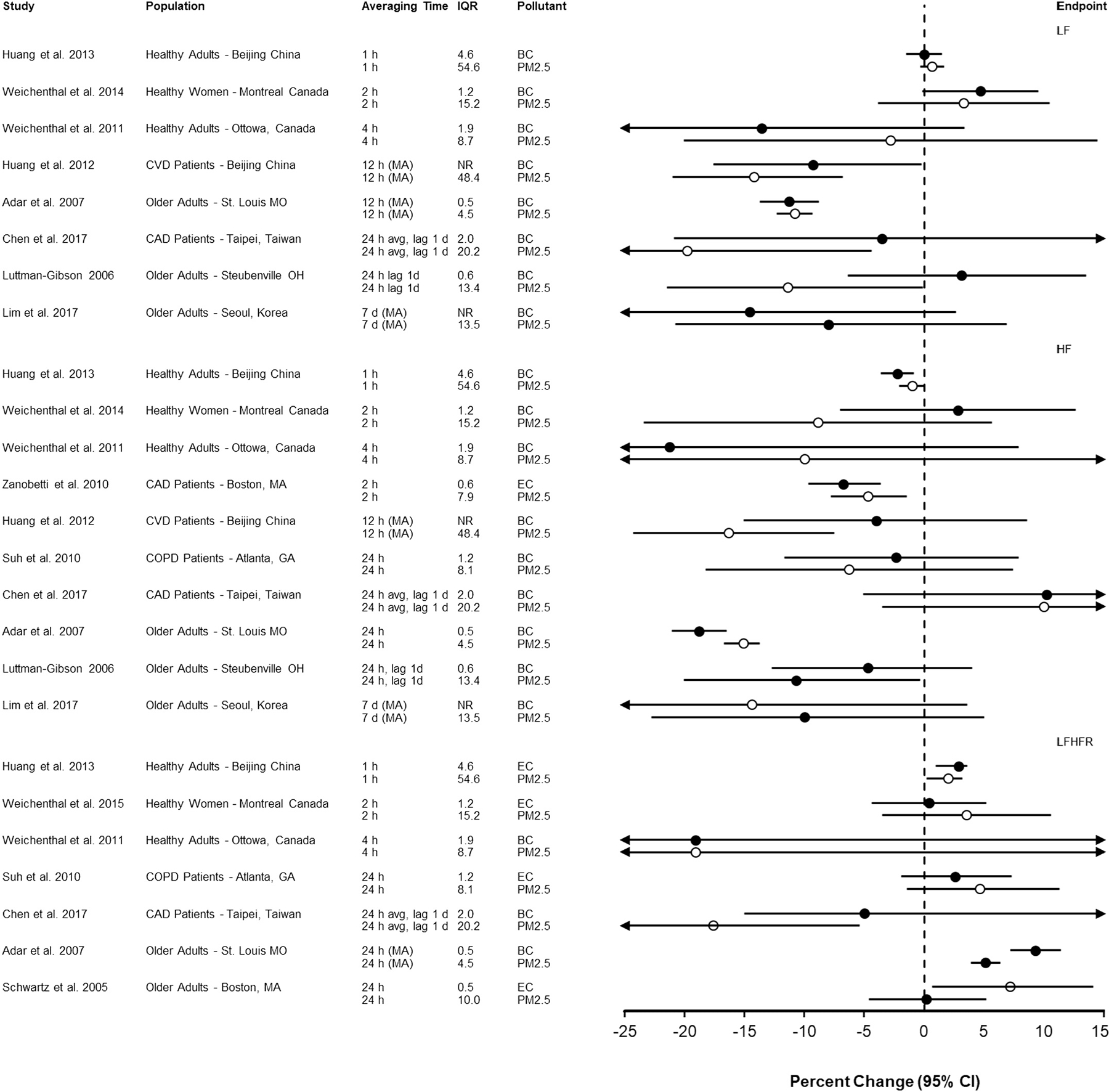
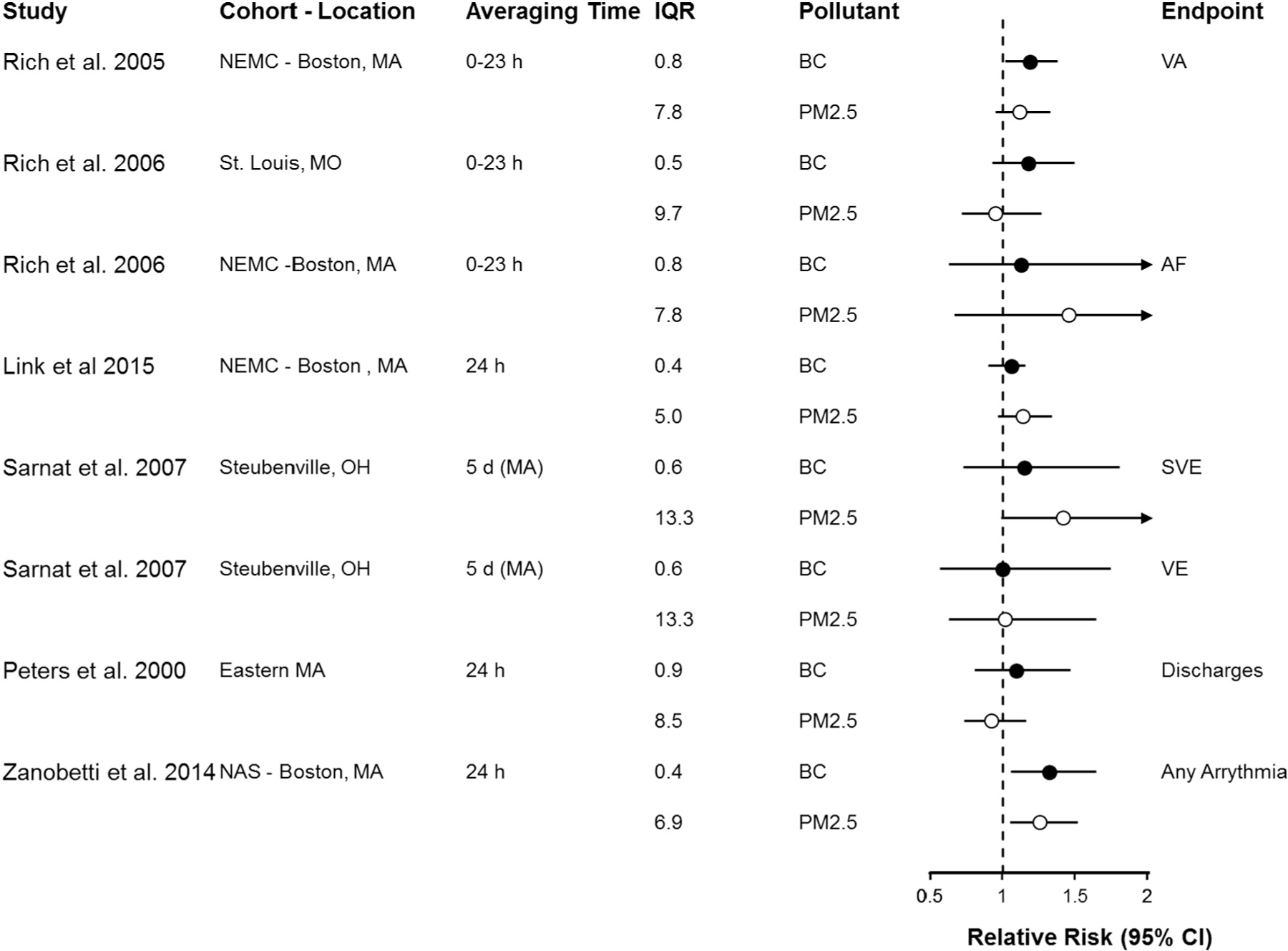
Results: Our results demonstrate similar associations for BC (or EC) and PM2.5 with the cardiovascular endpoints examined. Across studies, associations for BC and PM2.5 varied in their magnitude and precision, and confidence intervals were generally overlapping within studies. Where differences in the magnitude of the association between BC or EC and PM2.5 within a study could be discerned, no consistent pattern across the studies examined was apparent.
Limitations: We were unable to assess the independence of the effect of BC, relative the effect of PM2.5, on the cardiovascular system, nor was information available to understand the impact of differential exposure misclassification.
Conclusions: Overall, the evidence indicates that both BC (or EC) and PM2.5 are associated with cardiovascular effects but the available evidence is not sufficient to distinguish the effect of BC (or EC) from that of PM2.5 mass.
Keywords: Black carbon; Cardiovascular effects; Fine particulate matter.
Published by Elsevier Ltd.
Conflict of interest statement
Financial interests’ declaration
The authors declare that they have no actual or potential competing financial interests.
Figures
References
-
- Adar SD, Gold DR, Coull BA, Schwartz J, Stone PH, Suh H, 2007. Focused exposures to airborne traffic particles and heart rate variability in the elderly. Epidemiology 18, 95–103. - PubMed
-
- Agency for Healthcare Research and Quality, 2012. Grading the Strength of a Body of Evidence When Assessing Health Care Interventions–AHRQ and the Effective Health Care Program: An Update: Draft Report Agency for Healthcare Research and Quality, Rockville, MD. http://effectivehealthcare.ahrq.gov/ehc/products/457/1163/gradingthestre.... - PubMed
-
- Arnott WP, Zielinska B, Rogers CF, Sagebiel J, Park K, Chow J, Moosmuller H, Watson JG, Kelly K, Wagner D, Sarofim A, Lighty J, Palmer G, 2005. Evaluation of 1047-nm photoacoustic instruments and photoelectric aerosol sensors in source-sampling of black carbon aerosol and particle-bound PAHs from gasoline and diesel powered vehicles. Environ. Sci. Technol 39, 5398–5406. - PubMed
Publication types
MeSH terms
Substances
Grants and funding
LinkOut - more resources
Full Text Sources
