Specific allelic variants of SNPs in the MDM2 and MDMX genes are associated with earlier tumor onset and progression in Caucasian breast cancer patients
- PMID: 30956778
- PMCID: PMC6443004
- DOI: 10.18632/oncotarget.26768
Specific allelic variants of SNPs in the MDM2 and MDMX genes are associated with earlier tumor onset and progression in Caucasian breast cancer patients
Abstract
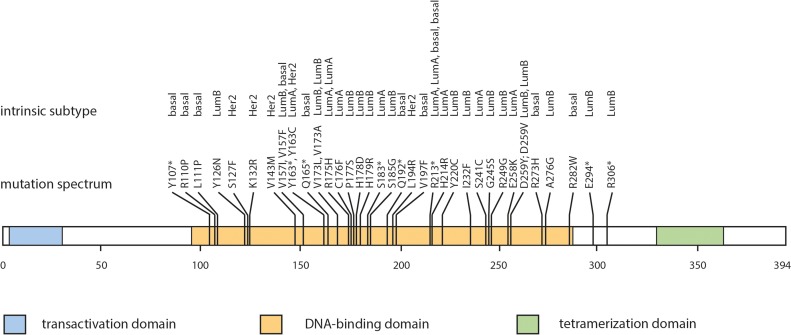
Background: Genetic factors play a substantial role in breast cancer etiology. Genes encoding proteins that have key functions in the DNA damage response, such as p53 and its inhibitors MDM2 and MDMX, are most likely candidates to harbor allelic variants that influence breast cancer susceptibility. The aim of our study was to comprehensively analyze the impact of SNPs in the TP53, MDM2, and MDMX genes in conjunction with TP53 mutational status regarding the onset and progression of breast cancer.
Methods: In specimen from 815 breast cancer patients, five SNPs within the selected genes were analyzed: TP53 - Arg72Pro (rs1042522), MDM2 - SNP285 (rs2279744), SNP309 (rs117039649); MDMX - SNP31826 (rs1563828), and SNP34091 (rs4245739). Classification of the tumors was evaluated by histomorphology. Subtyping according hormone receptor status, HER2-status and proliferation rate enabled provision of the clinico-pathological surrogate of intrinsic subtypes.
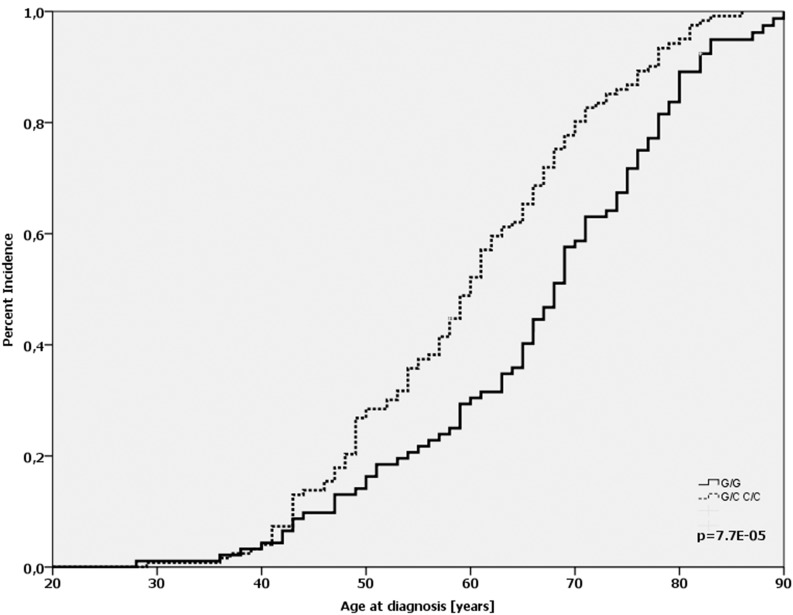
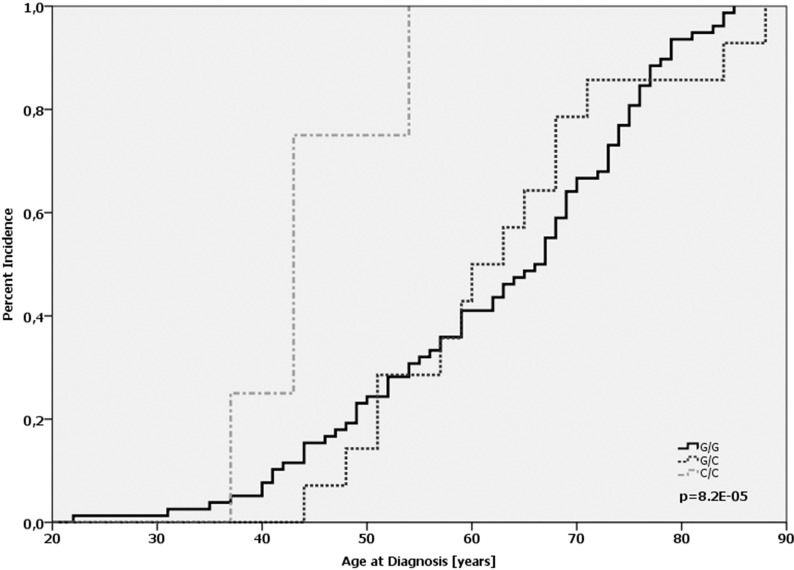
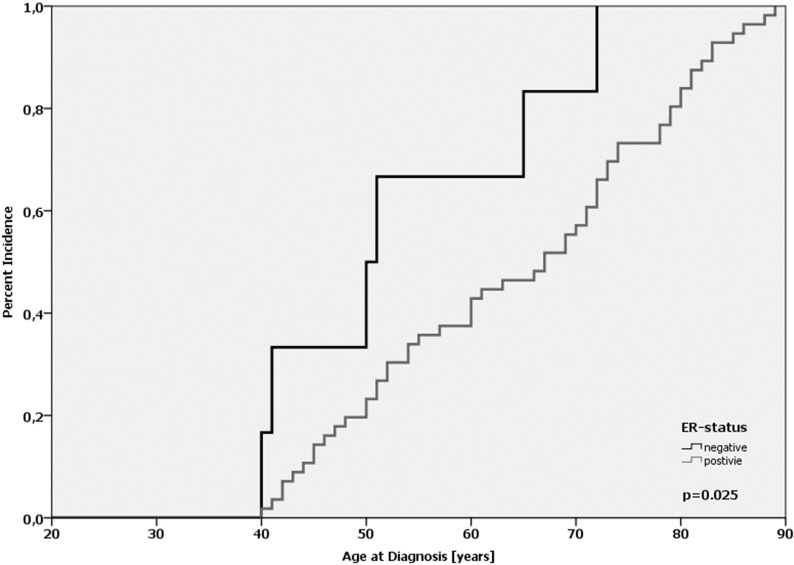
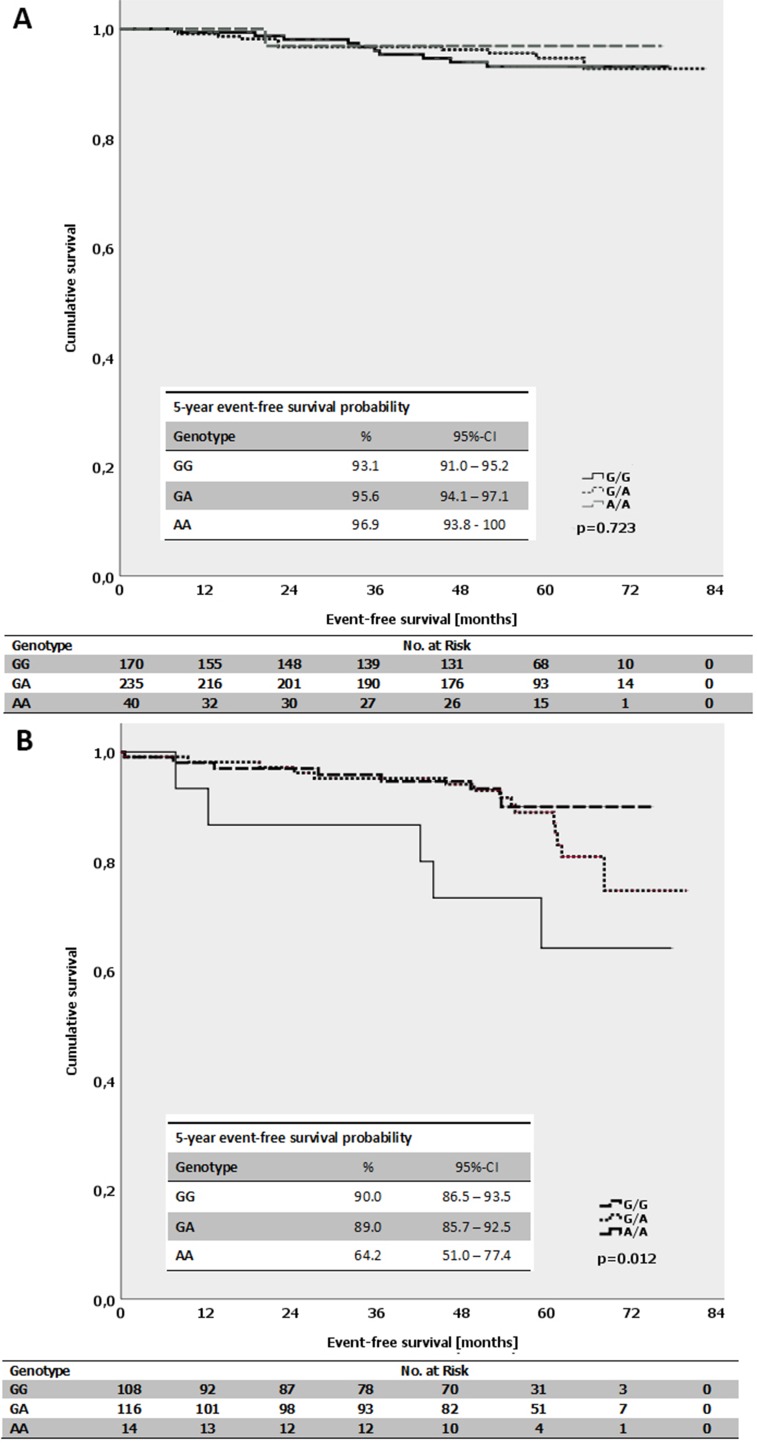
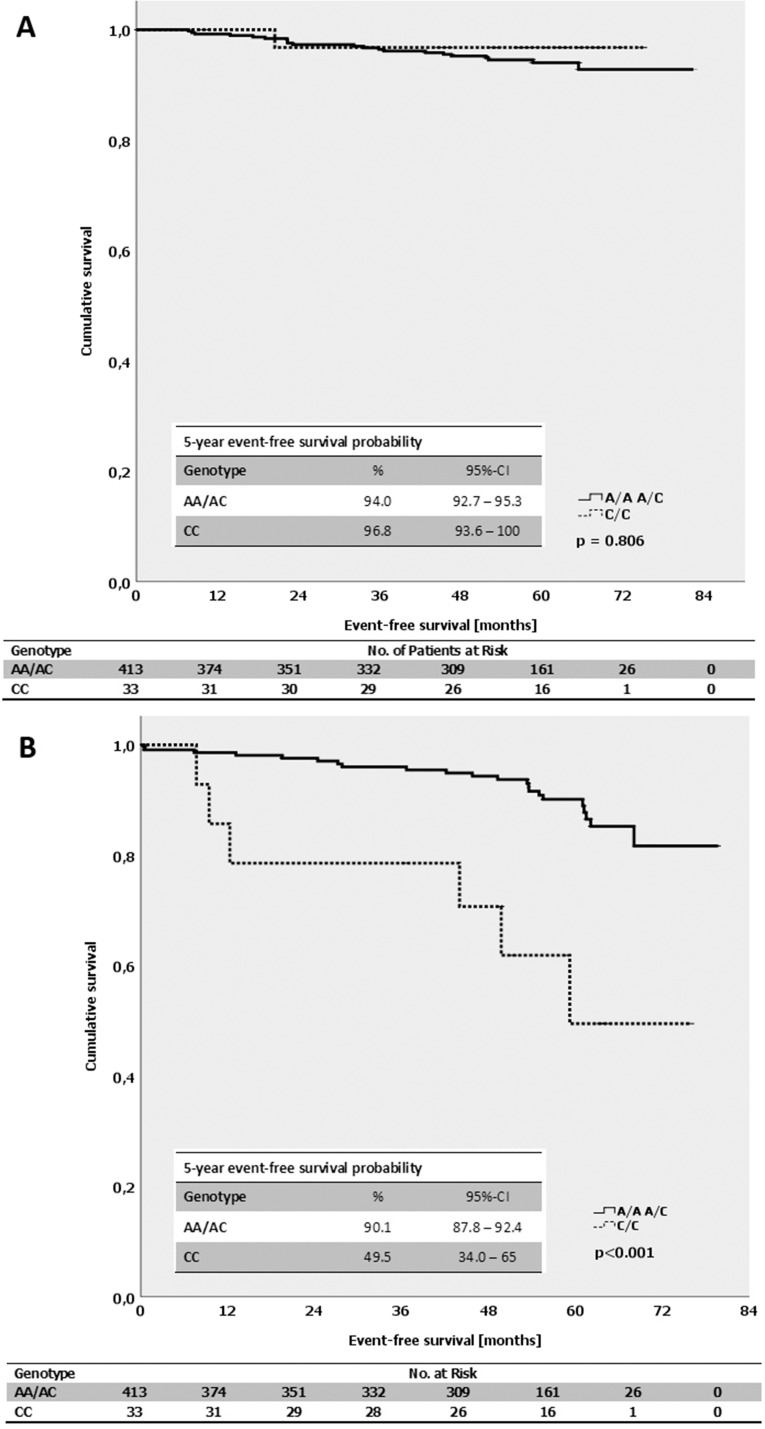
Results: The homozygous C-allele of MDM2 SNP285 was significantly associated with a younger age-at-diagnosis of 44.2 years, in contrast to G/G- and G/C-patients (62.4, 62.7 yrs., respectively; p = 0.0007; log-Rank-test). In contrast, there was no difference regarding the age-at-diagnosis for patients with the respective genotypes of MDM2 SNP309 (p = 0.799; log-Rank-test). In patients with estrogen receptor (ER)-positive and TP53-mutated tumors, however, the T/T-genotype of the MDM2 SNP309 was significantly associated with an earlier average age-at-diagnosis compared with T/G+G/G-patients (53.5 vs. 68.2 yrs; p = 0.002; log-Rank-test). In the triple-negative subgroup, the G/G-patients had an average age-at-diagnosis of 51 years compared with 63 years for SNP309T carriers (p = 0.004; log-Rank-test) indicating a susceptibility of the G/G genotype for the development of triple negative breast cancer. Patients with the A/A-genotype of MDMX SNP31826 with ER-negative tumors were diagnosed 11 years earlier compared with patients and ER-positive tumors (53.2 vs. 64.4 yrs; p = 0.025, log-Rank-test). Furthermore, in luminal B-like patients (HER2-independent) the C/C-genotype of MDMX SNP34091 was significantly correlated with a decreased event-free survival compared with the A/A-genotype (p < 0.001; log-Rank-test).
Conclusions: We showed that SNPs in the MDM2 and MDMX genes affect at least in part the onset and progression of breast cancer dependent on the ER-status. Our findings provide further evidence for the distinct etiological pathways in ER-negative and ER-positive breast cancers.
Keywords: breast cancer; mutation; p53; single nucleotide polymorphism; tumor suppression.
Conflict of interest statement
CONFLICTS OF INTEREST The authors declare no conflicts of interests.
Figures
References
-
- Campeau PM, Foulkes WD, Tischkowitz MD. Hereditary breast cancer: new genetic developments, new therapeutic avenues. Hum Genet. 2008;124:31–42. - PubMed
-
- Blows FM, Driver KE, Schmidt MK, Broeks A, van Leeuwen FE, Wesseling J, Cheang MC, Gelmon K, Nielsen TO, Blomqvist C, Heikkila P, Heikkinen T, Nevanlinna H, et al. Subtyping of breast cancer by immunohistochemistry to investigate a relationship between subtype and short and long term survival: a collaborative analysis of data for 10,159 cases from 12 studies. PLoS Med. 2010;7:e1000279. - PMC - PubMed
-
- Yang XR, Chang-Claude J, Goode EL, Couch FJ, Nevanlinna H, Milne RL, Gaudet M, Schmidt MK, Broeks A, Cox A, Fasching PA, Hein R, Spurdle AB, et al. Associations of breast cancer risk factors with tumor subtypes: a pooled analysis from the Breast Cancer Association Consortium studies. J Natl Cancer Inst. 2011;103:250–63. - PMC - PubMed
-
- Cox A, Dunning AM, Garcia-Closas M, Balasubramanian S, Reed MW, Pooley KA, Scollen S, Baynes C, Ponder BA, Chanock S, Lissowska J, Brinton L, Peplonska B, et al. A common coding variant in CASP8 is associated with breast cancer risk. Nat Genet. 2007;39:352–8. - PubMed
LinkOut - more resources
Full Text Sources
Research Materials
Miscellaneous