


Difficulties with emotion regulation as a transdiagnostic mechanism linking child maltreatment with the emergence of psychopathology
- PMID: 30957738
- PMCID: PMC6620140
- DOI: 10.1017/S0954579419000348
Difficulties with emotion regulation as a transdiagnostic mechanism linking child maltreatment with the emergence of psychopathology
Abstract
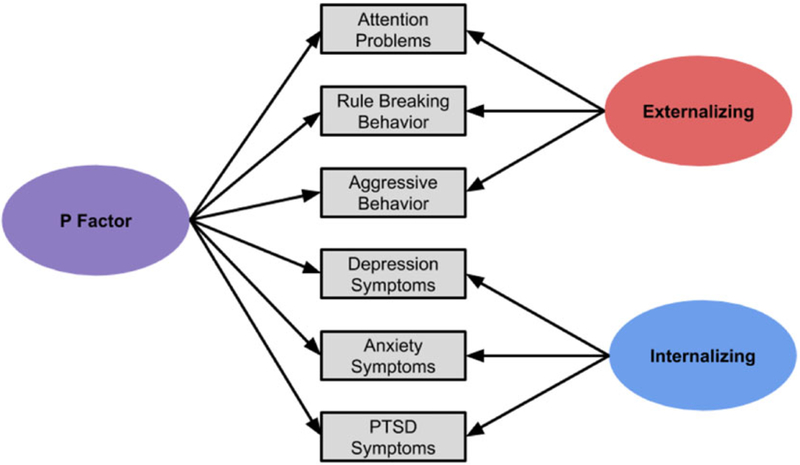
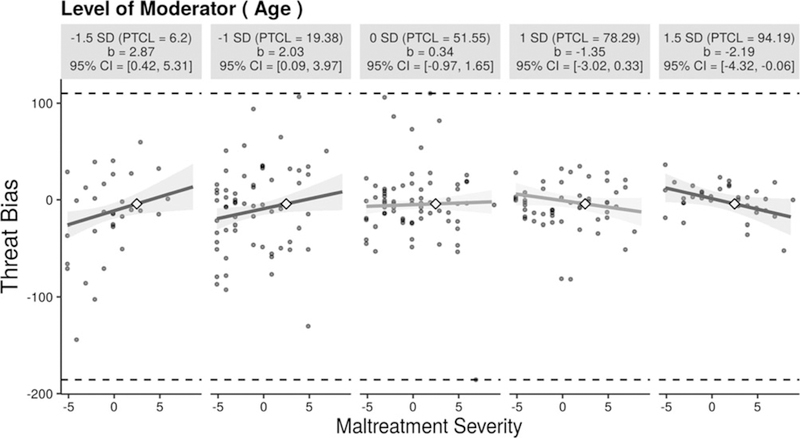
Childhood maltreatment is associated with increased risk for most forms of psychopathology. We examine emotion dysregulation as a transdiagnostic mechanism linking maltreatment with general psychopathology. A sample of 262 children and adolescents participated; 162 (61.8%) experienced abuse or exposure to domestic violence. We assessed four emotion regulation processes (cognitive reappraisal, attention bias to threat, expressive suppression, and rumination) and emotional reactivity. Psychopathology symptoms were assessed concurrently and at a 2-year longitudinal follow-up. A general psychopathology factor (p factor), representing co-occurrence of psychopathology symptoms across multiple internalizing and externalizing domains, was estimated using confirmatory factor analysis. Maltreatment was associated with heightened emotional reactivity and greater use of expressive suppression and rumination. The association of maltreatment with attention bias varied across development, with maltreated children exhibiting a bias toward threat and adolescents a bias away from threat. Greater emotional reactivity and engagement in rumination mediated the longitudinal association between maltreatment and increased general psychopathology over time. Emotion dysregulation following childhood maltreatment occurs at multiple stages of the emotion generation process, in some cases varies across development, and serves as a transdiagnostic mechanism linking child maltreatment with general psychopathology.
Keywords: adversity; attention bias; p factor; rumination; threat.
Figures

References
-
- Abela JRZ, Hankin BL, Sheshko DM, Fishman MB, & Stolow D (2012). Multi-wave prospective examination of the stress-reactivity extension of response styles theory of depression in high-risk children and early adolescents. Journal of Abnormal Child Psychology, 40, 277–287. doi: 10.1007/s10802-011-9563-x - DOI - PMC - PubMed
-
- Achenbach TM (1991). Manual for the Child Behavior Checklist/4–18 and 1991 profile Burlington, VT: University of Vermont, Department of Psychiatry.
Publication types
MeSH terms
Grants and funding
LinkOut - more resources
Full Text Sources
Medical
