Review
. 2018 Nov 24;10(12):1303.
doi: 10.3390/polym10121303.

Plasticizers Derived from Biomass Resources: A Short Review

Affiliations
Review

Plasticizers Derived from Biomass Resources: A Short Review

Puyou Jia et al. Polymers (Basel). .

Abstract

With rising environmental concerns and depletion of petrochemical resources, biomass-based chemicals have been paid more attention. Polyvinyl chloride (PVC) plasticizers derived from biomass resources (vegetable oil, cardanol, vegetable fatty acid, glycerol and citric acid) have been widely studied to replace petroleum-based o-phthalate plasticizers. These bio-based plasticizers mainly include epoxidized plasticizer, polyester plasticizer, macromolecular plasticizer, flame retardant plasticizer, citric acid ester plasticizer, glyceryl ester plasticizer and internal plasticizer. Bio-based plasticizers with the advantages of renewability, degradability, hypotoxicity, excellent solvent resistant extraction and plasticizing performances make them potential to replace o-phthalate plasticizers partially or totally. In this review, we classify different types of bio-based plasticizers according to their chemical structure and function, and highlight recent advances in multifunctional applications of bio-based plasticizers in PVC products. This study will increase the interest of researchers in bio-based plasticizers and the development of new ideas in this field.

Keywords: biomass resources; plasticizer; polyvinyl chloride; review.


Conflict of interest statement

The authors declare no conflict of interest.

Figures
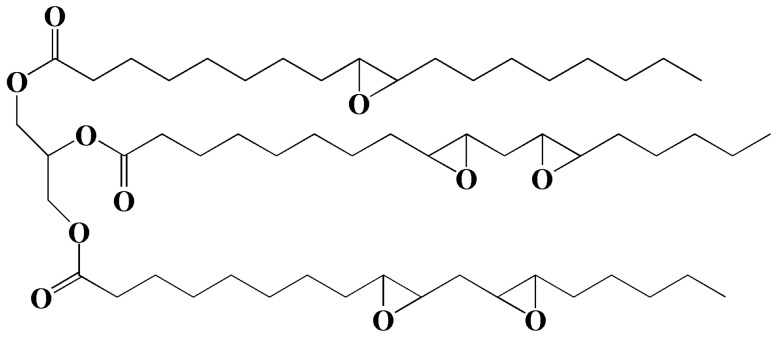
Figure 1
Figure 1
Chemical structure of epoxidized soybean oil.
Figure 2
Figure 2
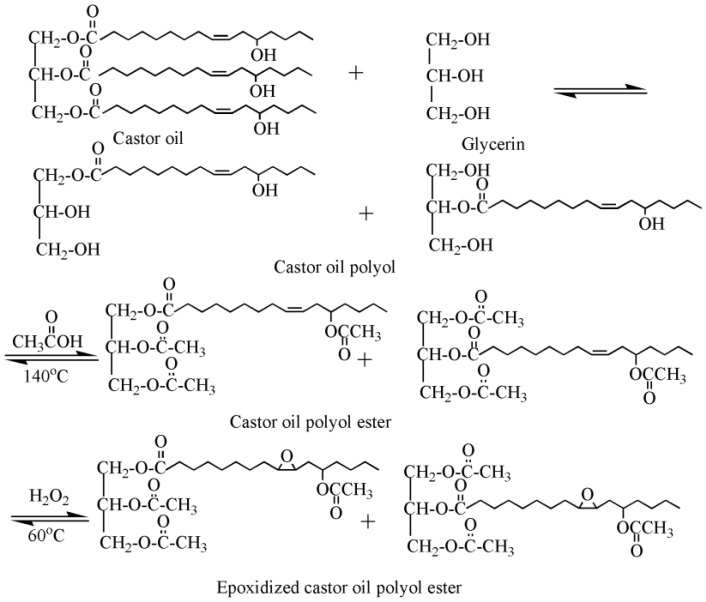
Synthesis of epoxidized castor oil polyol ester.
Figure 3
Figure 3
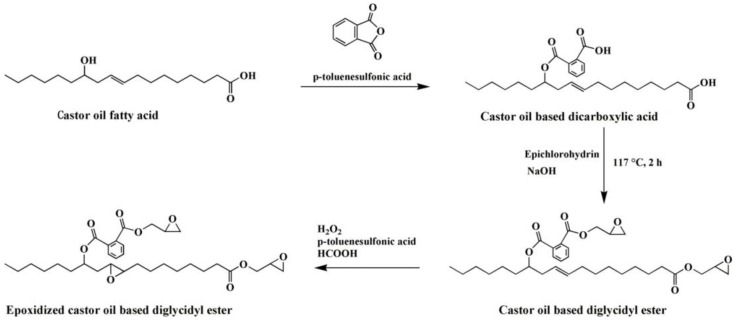
Synthesis of epoxidized castor oil based diglycidyl ester.
Figure 4
Figure 4
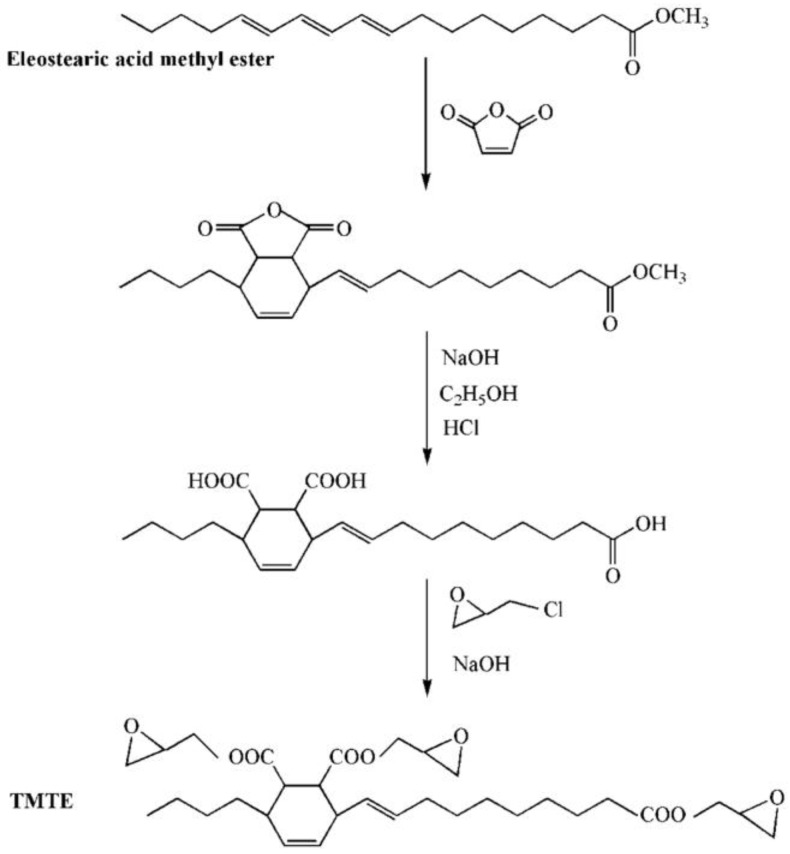
Synthesis of tung-maleic triglycidyl esters (TMTE).
Figure 5
Figure 5
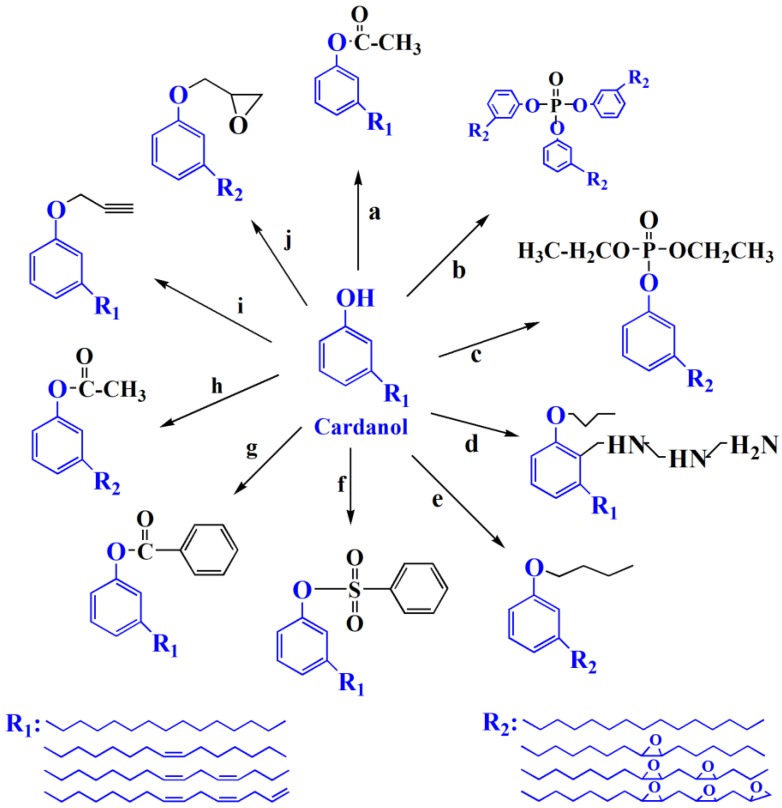
Chemical structure of cardanol based plasticizer.
Figure 6
Figure 6
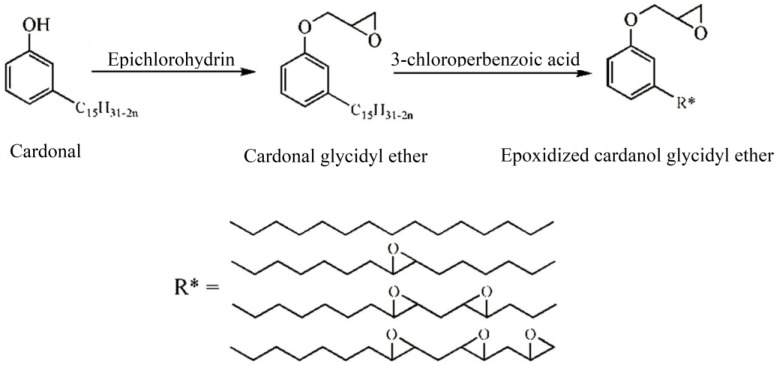
Synthesis of epoxidized cardanol glycidyl ether.
Figure 7
Figure 7
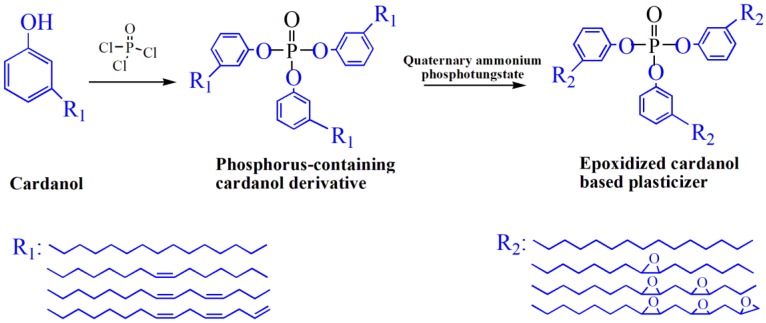
Synthesis routes of epoxidized cardanol based plasticizer (ECP).
Figure 8
Figure 8
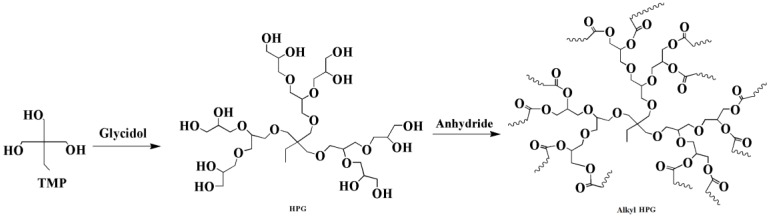
Synthesis of alkyl terminal hyperbranched polyglycerol (alkyl-HPG).
Figure 9
Figure 9
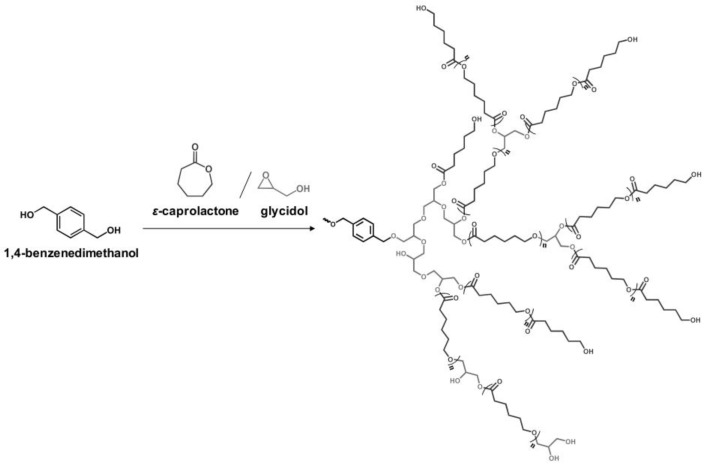
Synthesis of butyl-esterified highly branched polycaprolactone.
Figure 10
Figure 10
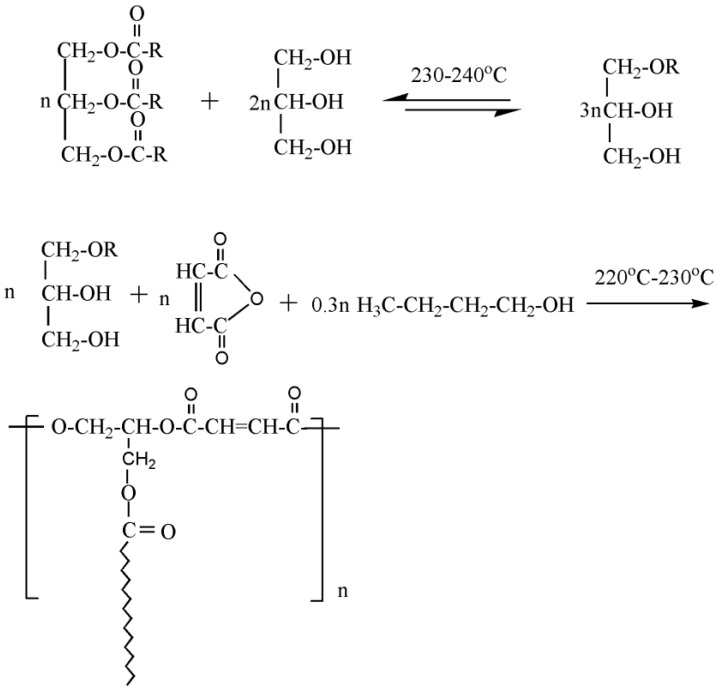
Synthesis bio-based polyester plasticizer from palm oil.
Figure 11
Figure 11
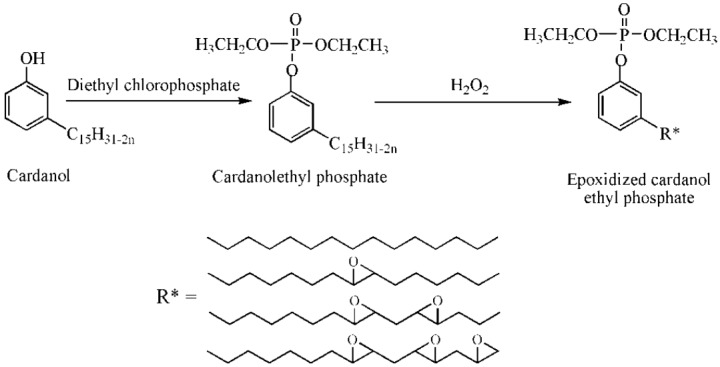
Synthesis of epoxidized cardanol ethyl phosphate.
Figure 12
Figure 12
Synthesis of castor oil phosphate ester.
Figure 13
Figure 13
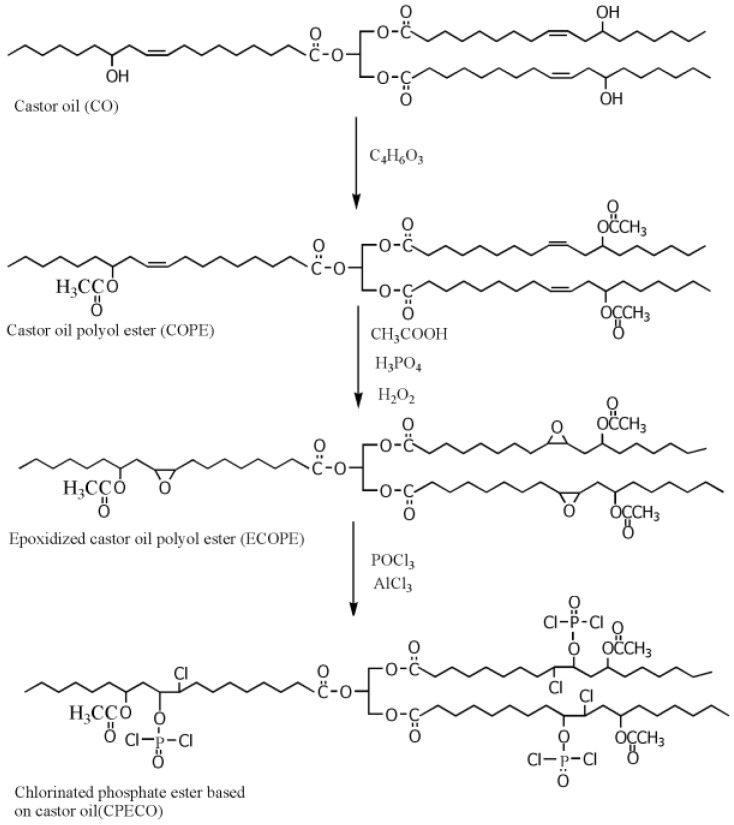
Synthesis of chlorinated phosphate ester based on castor oil.
Figure 14
Figure 14
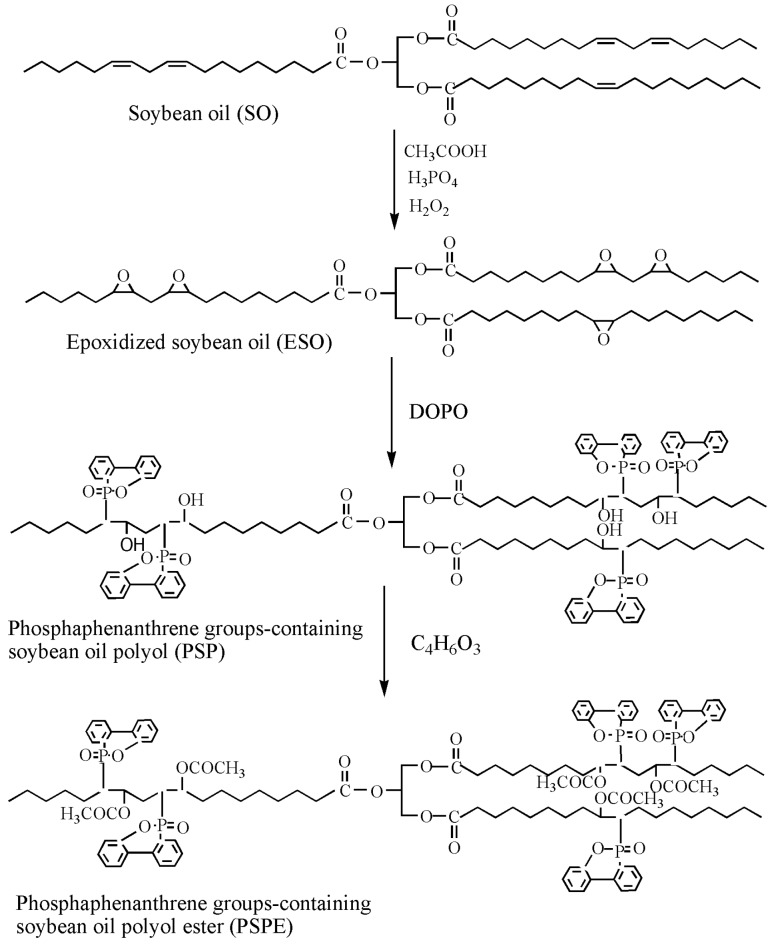
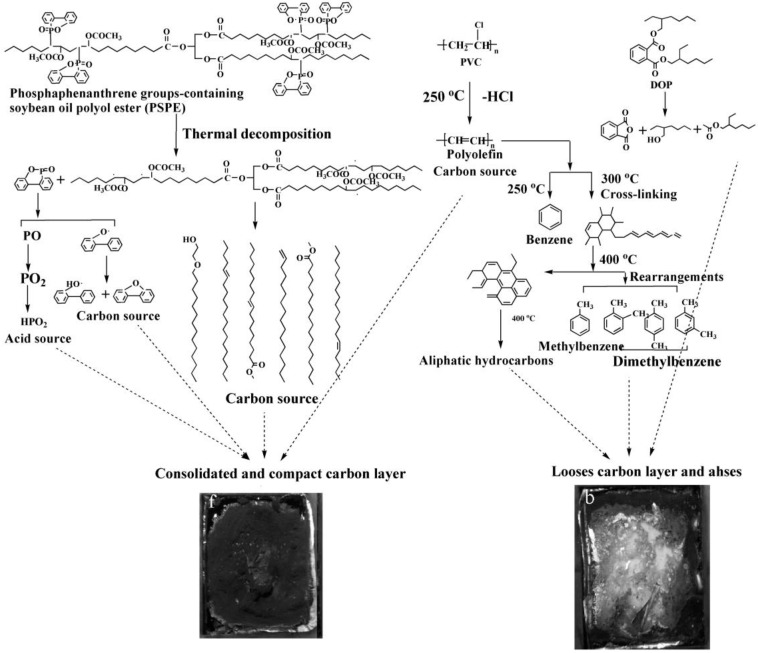
Synthesis of DOPO groups-containing soybean oil polyol ester.
Figure 15
Figure 15
Flame retardant mechanism of DOPO groups-containing soybean oil polyol ester.
Figure 16
Figure 16
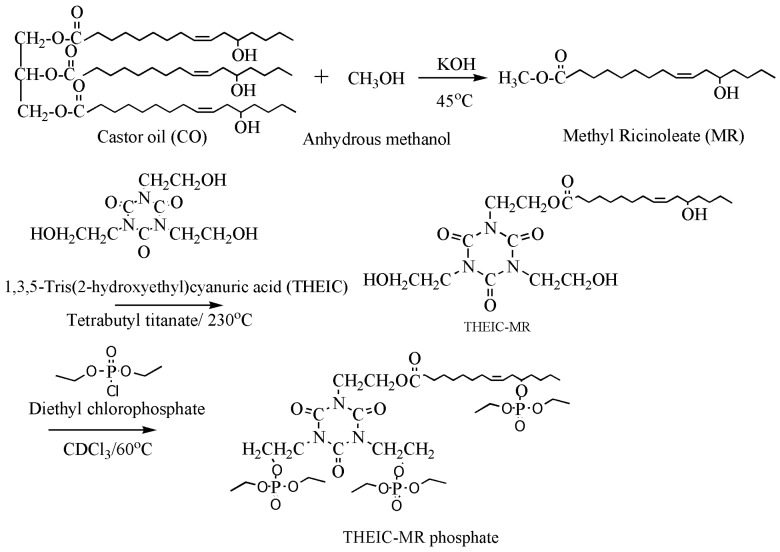
Synthesis of THEIC-MA phosphate.
Figure 17
Figure 17
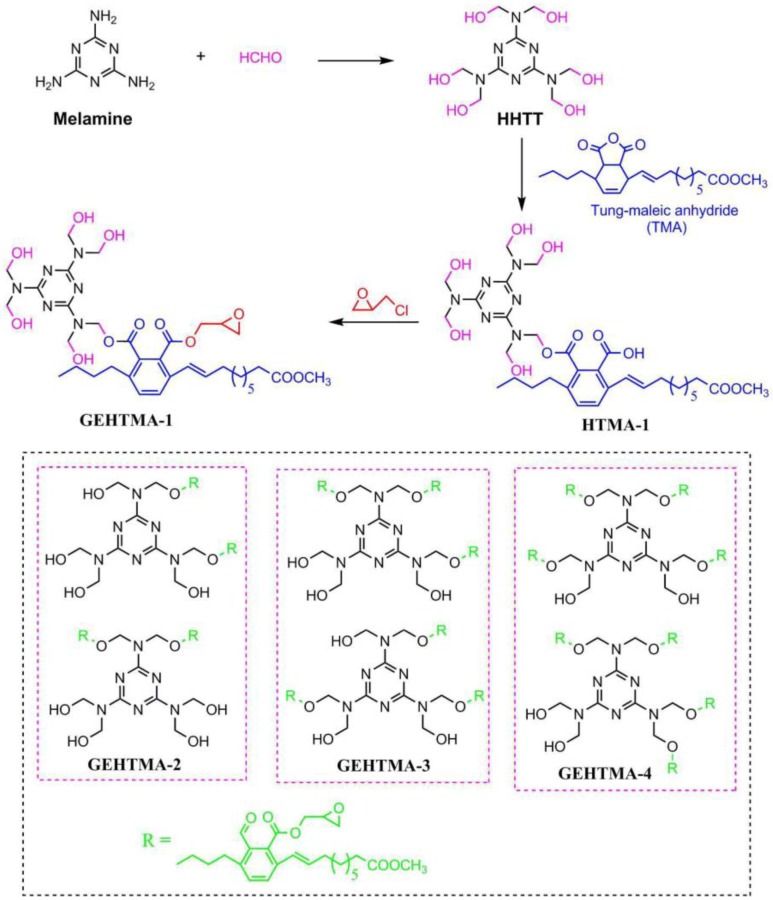
Synthesis of hydroxyl and nitrogen rich group-containing tung-oil-based ester plasticizers.
Figure 18
Figure 18
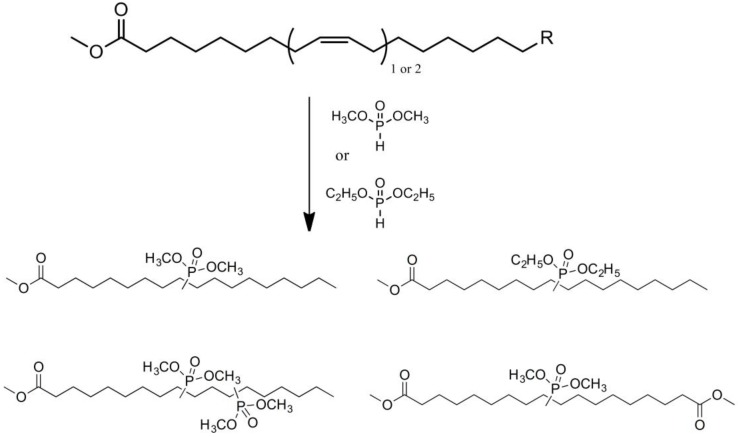
Synthesis of phosphonate groups containing bio-based plasticizers.
Figure 19
Figure 19
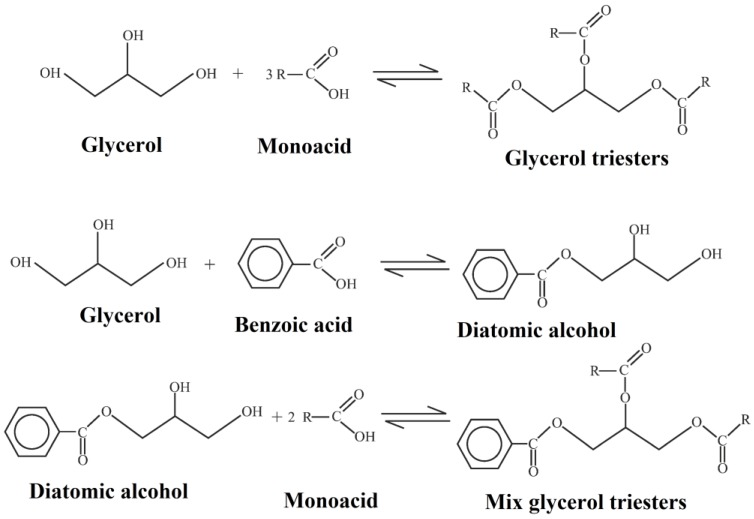
Synthesis of glycerol triesters and mix glycerol triesters.
Figure 20
Figure 20
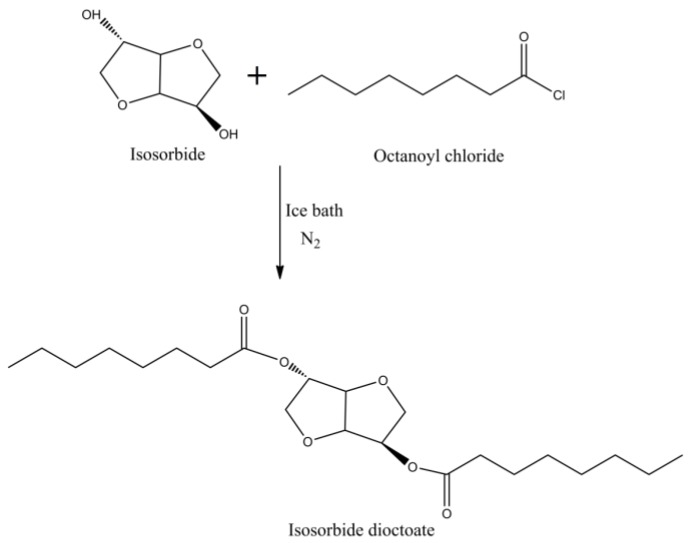
Synthesis of isosorbide dioctoate.
Figure 21
Figure 21
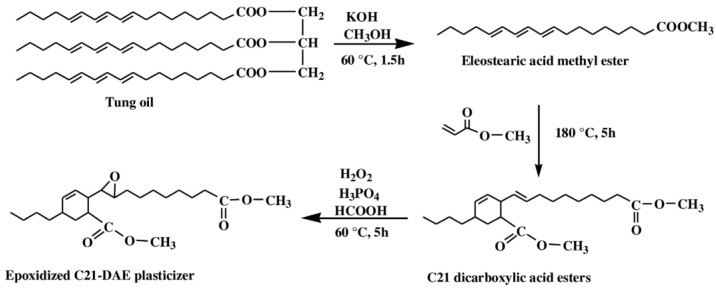
Synthesis of C21 dicarboxylic acid ester.
Figure 22
Figure 22
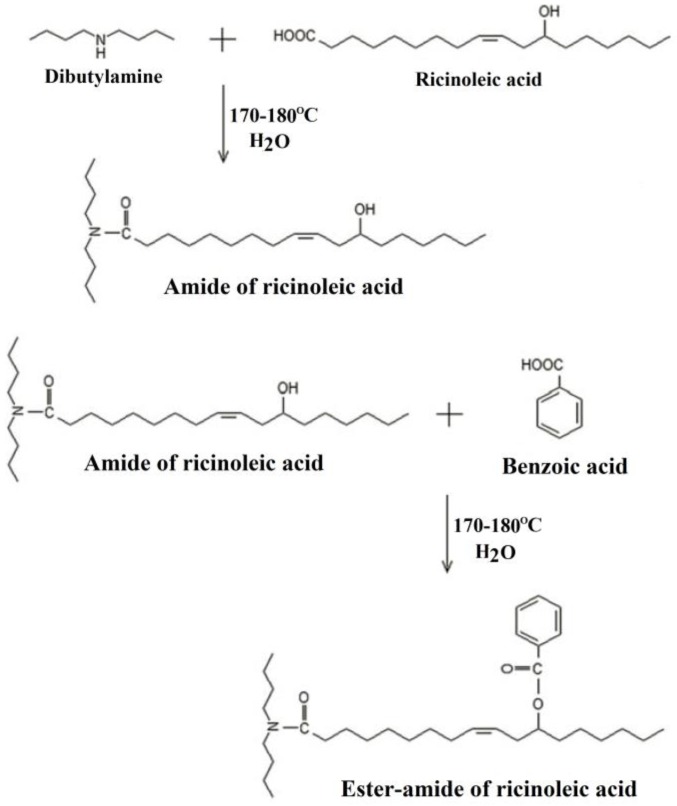
Synthesis of ester-amide of ricinoleic acid.
Figure 23
Figure 23
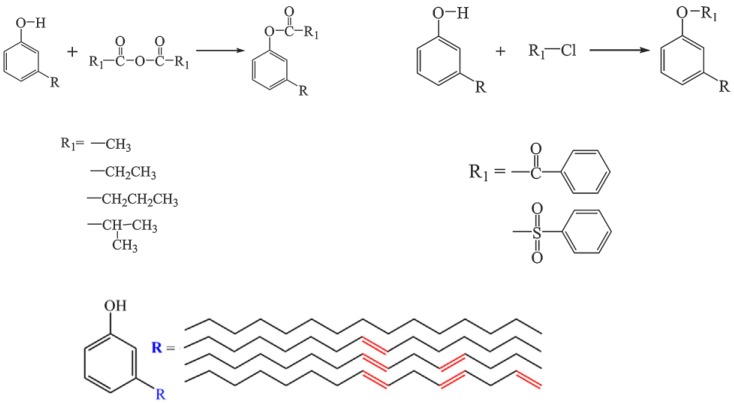
Synthesis of cardanol esters.
Figure 24
Figure 24
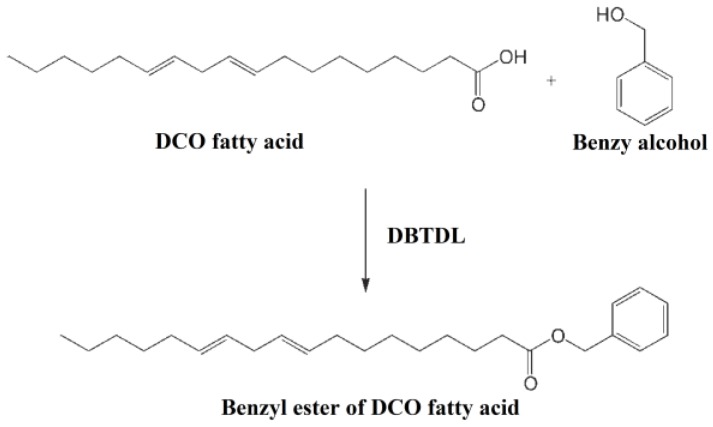
Synthesis of benzyl ester of DCO fatty acid.
Figure 25
Figure 25
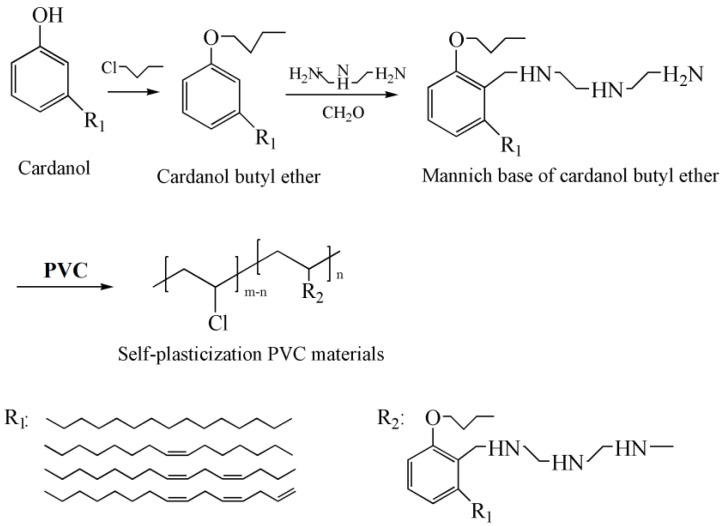
Synthesis of self-plasticization PVC via substitution reaction with minnich base of cardanol butyl ether.
Figure 26
Figure 26
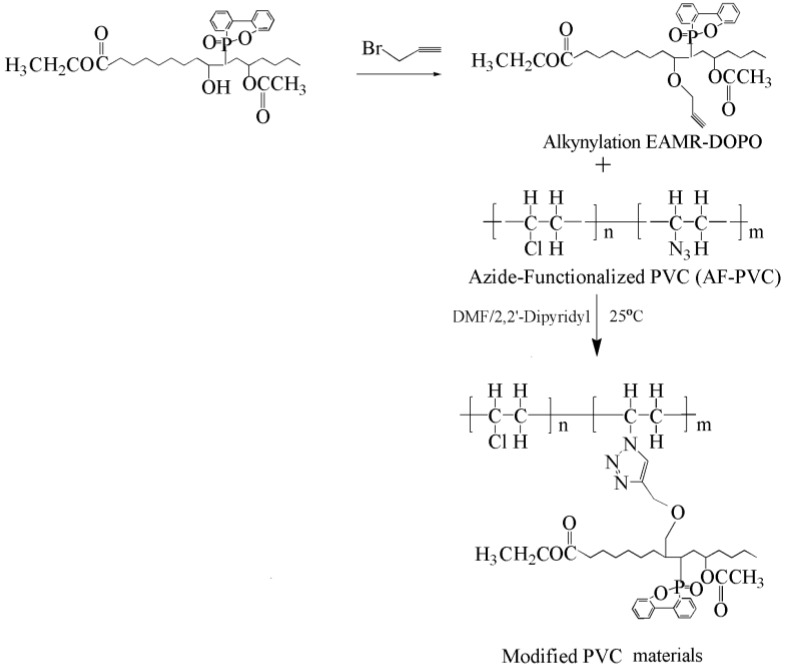
Synthesis internally plasticized PVC with alkynylation EAMR-DOPO.
Figure 27
Figure 27
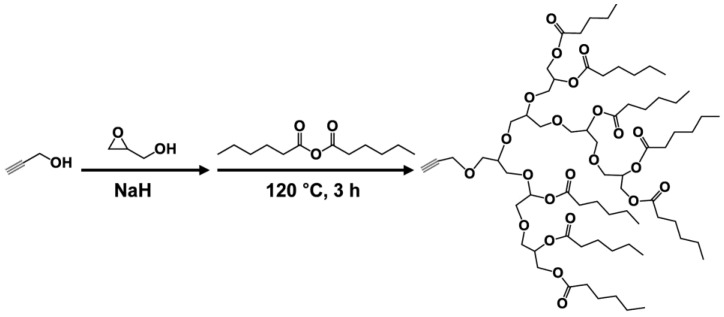
Synthesis of hexyl-terminated hyperbranched polyglycerol.

References

    1. Erythropel H.C., Maric M., Nicell J.A., Leask R.L., Yargeau V. Leaching of the plasticizer di(2-ethylhexyl)phthalate (DEHP) from plastic containers and the question of human exposure. Appl. Microbiol. Biotechnol. 2014;98:9967–9981. doi: 10.1007/s00253-014-6183-8. - DOI - PubMed
    1. Rahman M., Brazel C.S. The plasticizer market: An assessment of traditional plasticizers and research trends to meet new challenges. Prog. Polym. Sci. 2004;29:1223–1248. doi: 10.1016/j.progpolymsci.2004.10.001. - DOI
    1. Choi J.S., Park W.H. Effect of biodegradable plasticizers on thermal and mechanical properties of poly(3-hydroxybutyrate) Polym. Test. 2004;23:455–460. doi: 10.1016/j.polymertesting.2003.09.005. - DOI
    1. Yang L., Milutinovic P.S., Brosnan R.J., Eger E., Sonner J.M. The plasticizer di(2-ethylhexyl) phthalate modulates gamma-aminobutyric acid type A and glycine receptor function. Anesth. Analg. 2007;105:393–396. doi: 10.1213/01.ane.0000267336.37735.d7. - DOI - PubMed
    1. Wingborg N., Eldsäter C. 2,2-Dinitro-1,3-Bis-Nitrooxy-Propane (NPN): A New Energetic Plasticizer. Propellants Explos. Pyrotech. 2002;27:314–319. doi: 10.1002/prep.200290000. - DOI

LinkOut - more resources