


Bio-Based Adhesives and Evaluation for Wood Composites Application
- PMID: 30970748
- PMCID: PMC6432405
- DOI: 10.3390/polym9020070
Bio-Based Adhesives and Evaluation for Wood Composites Application
Abstract
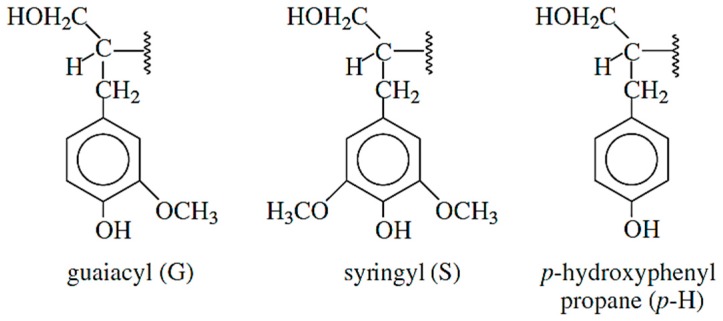
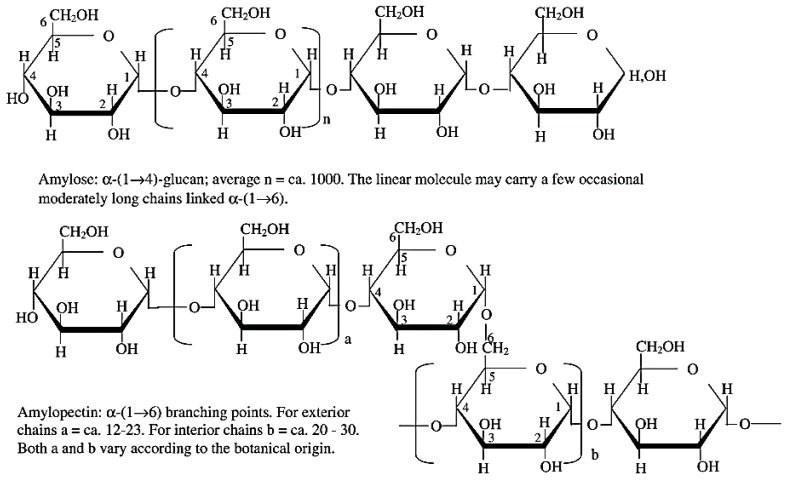
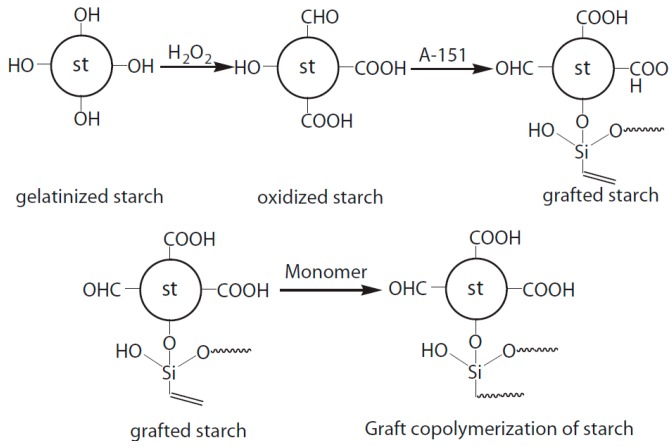
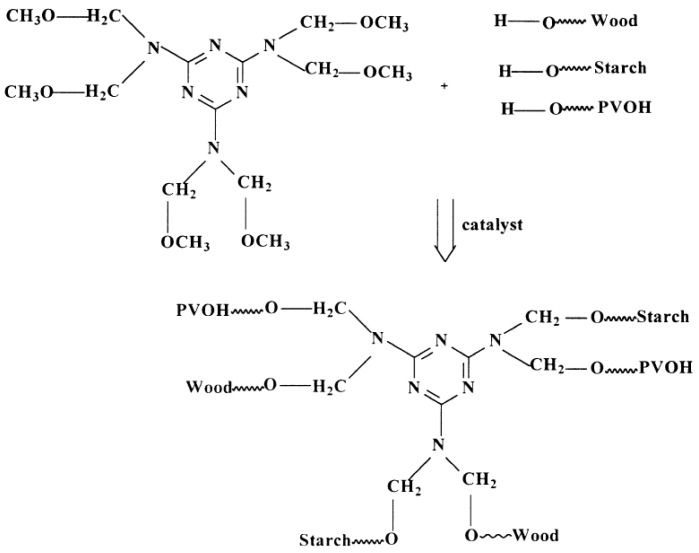
There has been a rapid growth in research and innovation of bio-based adhesives in the engineered wood product industry. This article reviews the recent research published over the last few decades on the synthesis of bio-adhesives derived from such renewable resources as lignin, starch, and plant proteins. The chemical structure of these biopolymers is described and discussed to highlight the active functional groups that are used in the synthesis of bio-adhesives. The potentials and drawbacks of each biomass are then discussed in detail; some methods have been suggested to modify their chemical structures and to improve their properties including water resistance and bonding strength for their ultimate application as wood adhesives. Moreover, this article includes discussion of techniques commonly used for evaluating the petroleum-based wood adhesives in terms of mechanical properties and penetration behavior, which are expected to be more widely applied to bio-based wood adhesives to better evaluate their prospect for wood composites application.
Keywords: adhesive evaluation; bio-based adhesives; lignin; protein plants; starch; wood composites.
Conflict of interest statement
The authors declare no conflict of interest.
Figures

References
-
- Youngquist J.A. Wood Handbook: Wood as an Engineering Material. USDA Forest Service, Forest Products Laboratory; Madison, WI, USA: 1999. Wood-base Composites and Panel Products; pp. 1–31.
-
- Moubarik A., Grimi N., Boussetta N., Pizzi A. Isolation and characterization of lignin from Moroccan sugar cane bagasse: Production of lignin-phenol-formaldehyde wood adhesive. Ind. Crop. Prod. 2013;45:296–302. doi: 10.1016/j.indcrop.2012.12.040. - DOI
-
- Zhang W., Ma Y., Wang C., Li S., Zhang M., Chu F. Preparation and properties of lignin-phenol-formaldehyde resins based on different biorefinery residues of agricultural biomass. Ind. Crop. Prod. 2013;43:326–333. doi: 10.1016/j.indcrop.2012.07.037. - DOI
Publication types
Grants and funding
LinkOut - more resources
Full Text Sources
Other Literature Sources
