


Small molecules for fat combustion: targeting obesity
- PMID: 30976490
- PMCID: PMC6438825
- DOI: 10.1016/j.apsb.2018.09.007
Small molecules for fat combustion: targeting obesity
Abstract
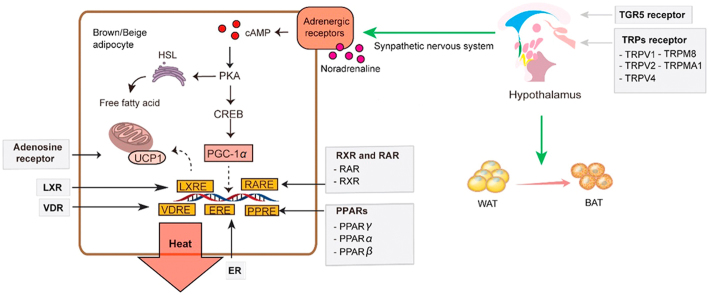
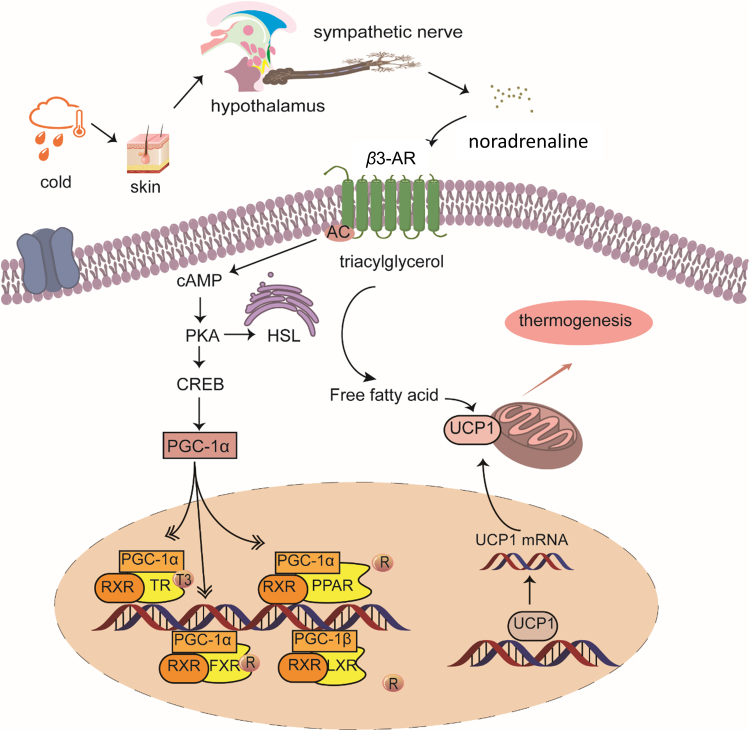
Obesity is increasing in an alarming rate worldwide, which causes higher risks of some diseases, such as type 2 diabetes, cardiovascular diseases, and cancer. Current therapeutic approaches, either pancreatic lipase inhibitors or appetite suppressors, are generally of limited effectiveness. Brown adipose tissue (BAT) and beige cells dissipate fatty acids as heat to maintain body temperature, termed non-shivering thermogenesis; the activity and mass of BAT and beige cells are negatively correlated with overweight and obesity. The existence of BAT and beige cells in human adults provides an effective weight reduction therapy, a process likely to be amenable to pharmacological intervention. Herein, we combed through the physiology of thermogenesis and the role of BAT and beige cells in combating with obesity. We summarized the thermogenic regulators identified in the past decades, targeting G protein-coupled receptors, transient receptor potential channels, nuclear receptors and miscellaneous pathways. Advances in clinical trials were also presented. The main purpose of this review is to provide a comprehensive and up-to-date knowledge from the biological importance of thermogenesis in energy homeostasis to the representative thermogenic regulators for treating obesity. Thermogenic regulators might have a large potential for further investigations to be developed as lead compounds in fighting obesity.
Keywords: AKT, protein kinase B; ALDH9, aldehyde dehydrogenase 9; AMPK, AMP-activated protein kinase; ATP, adenosine triphosphate; BA, bile acids; BAT, brown adipose tissue; BMP8b, bone morphogenetic protein 8b; Beige cells; Brown adipose tissue; C/EBPα, CCAAT/enhancer binding protein α; CLA, cis-12 conjugated linoleic acid; CRABP-II, cellular RA binding protein type II; CRE, cAMP response element; Cidea, cell death-inducing DNA fragmentation factor α-like effector A; Dio2, iodothyronine deiodinase type 2; ERE, estrogen response element; ERs, estrogen receptors; FAS, fatty acid synthase; FGF21, fibroblast growth factor 21; GPCRs, G protein-coupled receptors; HFD, high fat diet; LXR, liver X receptors; MAPK, mitogen-activated protein kinase; OXPHOS, oxidative phosphorylation; Obesity; PDEs, phosphodiesterases; PET-CT, positron emission tomography combined with computed tomography; PGC-1α, peroxisome proliferator-activated receptor γ coactivator 1-α; PKA, protein kinase A; PPARs, peroxisome proliferator-activated receptors; PPREs, peroxisome proliferator response elements; PRDM16, PR domain containing 16; PTP1B, protein-tyrosine phosphatase 1B; PXR, pregnane X receptor; RA, retinoic acid; RAR, RA receptor; RARE, RA response element; RMR, resting metabolic rate; RXR, retinoid X receptor; SIRT1, silent mating type information regulation 2 homolog 1; SNS, sympathetic nervous system; TFAM, mitochondrial transcription factor A; TMEM26, transmembrane protein 26; TRPs, transient receptor potential cation channels; Thermogenesis; UCP1, uncoupling protein 1; Uncoupling protein 1; VDR, vitamin D receptor; VDRE, VDR response elements; WAT, white adipose tissue; cAMP, cyclic adenosine monophosphate; cGMP, cyclic guanosine monophosphate; β3-AR, β3-adrenergic receptor.
Figures
References
Publication types
LinkOut - more resources
Full Text Sources
Other Literature Sources
Research Materials
Miscellaneous
