


Conventional and Microwave Hydrothermal Synthesis and Application of Functional Materials: A Review
- PMID: 30978917
- PMCID: PMC6479615
- DOI: 10.3390/ma12071177
Conventional and Microwave Hydrothermal Synthesis and Application of Functional Materials: A Review
Abstract
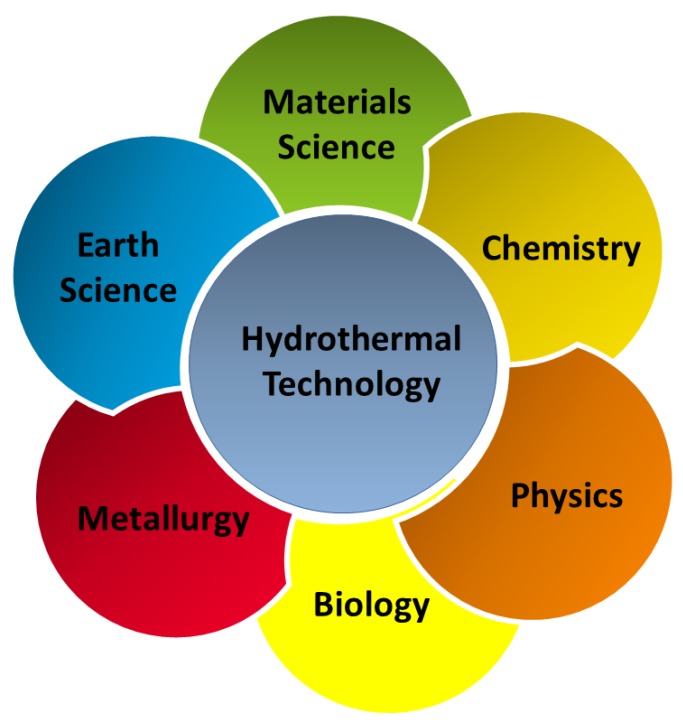
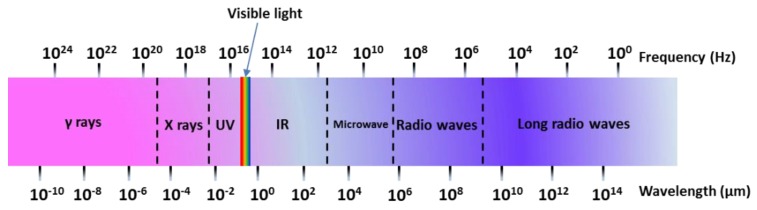
With the continuous development and progress of materials science, increasingly more attention has been paid to the new technology of powder synthesis and material preparation. The hydrothermal method is a promising liquid phase preparation technology that has developed rapidly during recent years. It is widely used in many fields, such as the piezoelectric, ferroelectric, ceramic powder, and oxide film fields. The hydrothermal method has resulted in many new methods during the long-term research process, such as adding other force fields to the hydrothermal condition reaction system. These force fields mainly include direct current, electric, magnetic (autoclaves composed of non-ferroelectric materials), and microwave fields. Among them, the microwave hydrothermal method, as an extension of the hydrothermal reaction, cleverly uses the microwave temperature to compensate for the lack of temperature in the hydrothermal method, allowing better practical application. This paper reviews the development of the hydrothermal and microwave hydrothermal methods, introduces their reaction mechanisms, and focuses on the practical application of the two methods.
Keywords: application; functional materials; hydrothermal method; microwave hydrothermal method.
Conflict of interest statement
The authors declare no conflict of interest.
Figures
References
-
- Anyalebechi P. Essentials of Materials Science and Engineering. Padnos College of Engineering and Computing; Grand Rapids, MI, USA: 2006.
-
- Cahn R.W. The Coming of Materials Science. Pergamon Press; Oxford, UK: 2001.
-
- Callister W.D. Fundamentals of Materials Science and Engineering. Volume 471660817 Wiley; London, UK: 2000.
-
- Rajput N. Methods of preparation of nanoparticles—A review. Int. J. Adv. Eng. Technol. 2015;7:1806–1811.
Publication types
Grants and funding
LinkOut - more resources
Full Text Sources
Other Literature Sources
