


Biocatalytic Detoxification of Paralytic Shellfish Toxins
- PMID: 30983320
- PMCID: PMC6528162
- DOI: 10.1021/acschembio.9b00123
Biocatalytic Detoxification of Paralytic Shellfish Toxins
Abstract
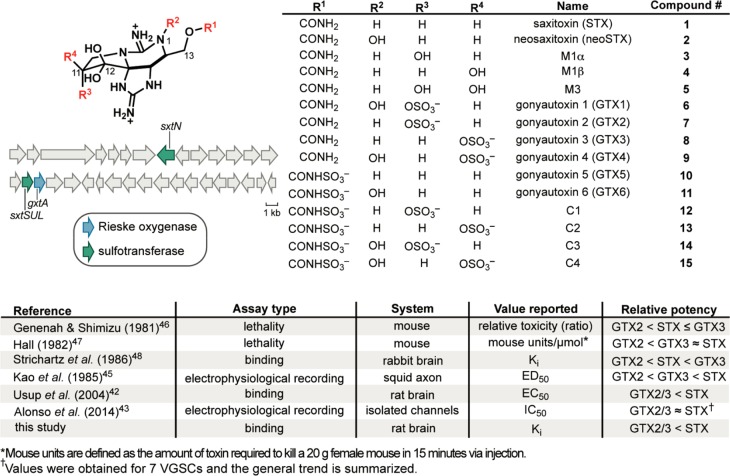
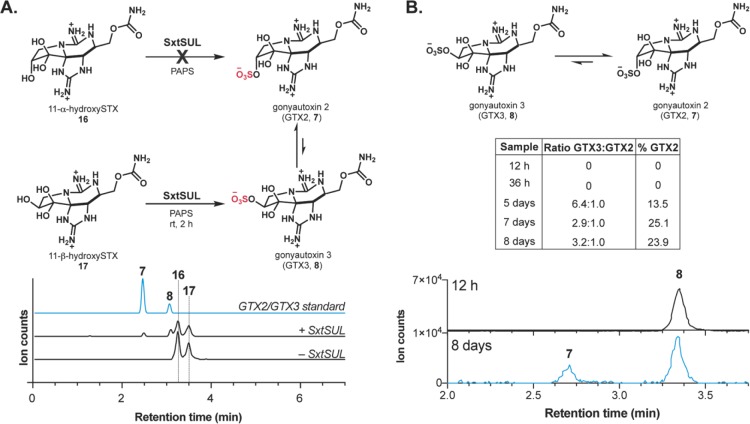
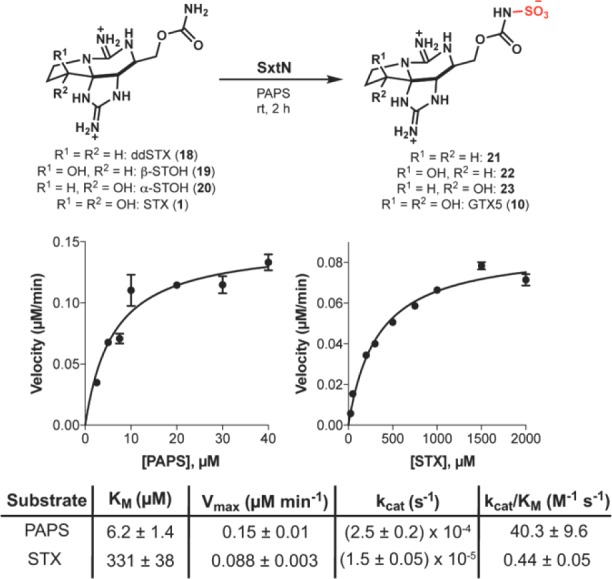
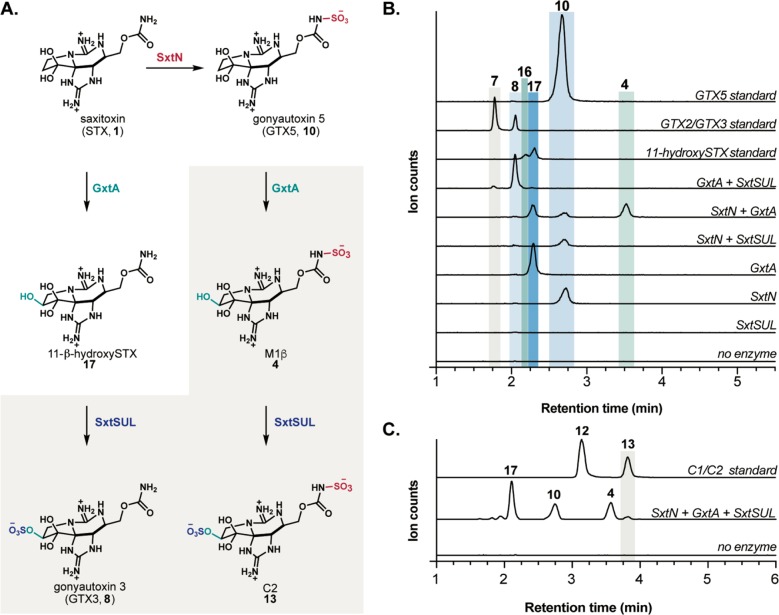
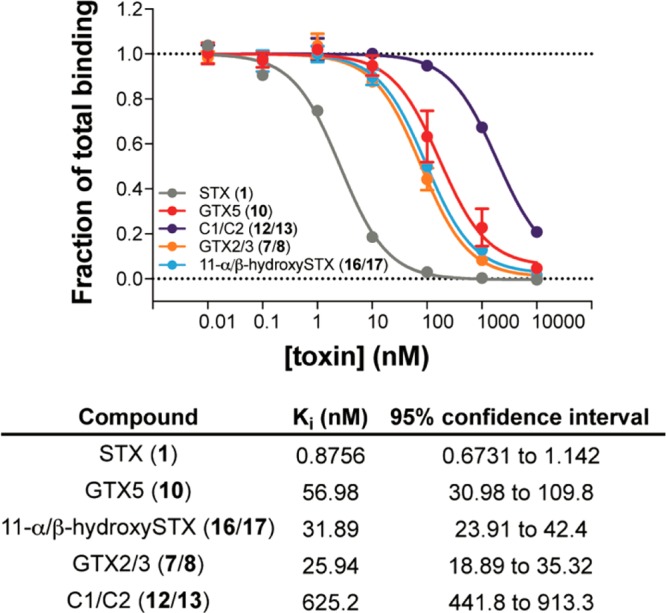
Small molecules that bind to voltage-gated sodium channels (VGSCs) are promising leads in the treatment of numerous neurodegenerative diseases and pain. Nature is a highly skilled medicinal chemist in this regard, designing potent VGSC ligands capable of binding to and blocking the channel, thereby offering compounds of potential therapeutic interest. Paralytic shellfish toxins (PSTs), produced by cyanobacteria and marine dinoflagellates, are examples of these naturally occurring small molecule VGSC blockers that can potentially be leveraged to solve human health concerns. Unfortunately, the remarkable potency of these natural products results in equally exceptional toxicity, presenting a significant challenge for the therapeutic application of these compounds. Identifying less potent analogs and convenient methods for accessing them therefore provides an attractive approach to developing molecules with enhanced therapeutic potential. Fortunately, Nature has evolved tools to modulate the toxicity of PSTs through selective hydroxylation, sulfation, and desulfation of the core scaffold. Here, we demonstrate the function of enzymes encoded in cyanobacterial PST biosynthetic gene clusters that have evolved specifically for the sulfation of highly functionalized PSTs, the substrate scope of these enzymes, and elucidate the biosynthetic route from saxitoxin to monosulfated gonyautoxins and disulfated C-toxins. Finally, the binding affinities of the nonsulfated, monosulfated, and disulfated products of these enzymatic reactions have been evaluated for VGSC binding affinity using mouse whole brain membrane preparations to provide an assessment of relative toxicity. These data demonstrate the unique detoxification effect of sulfotransferases in PST biosynthesis, providing a potential mechanism for the development of more attractive PST-derived therapeutic analogs.
Conflict of interest statement
The authors declare no competing financial interest.
Figures
References
Publication types
MeSH terms
Substances
Grants and funding
LinkOut - more resources
Full Text Sources
Other Literature Sources
Molecular Biology Databases
