


Rhinovirus-induced Rapidly Progressing Acute Respiratory Distress Syndrome in an Immunocompetent Host
- PMID: 30989006
- PMCID: PMC6443533
- DOI: 10.7759/cureus.3997
Rhinovirus-induced Rapidly Progressing Acute Respiratory Distress Syndrome in an Immunocompetent Host
Abstract
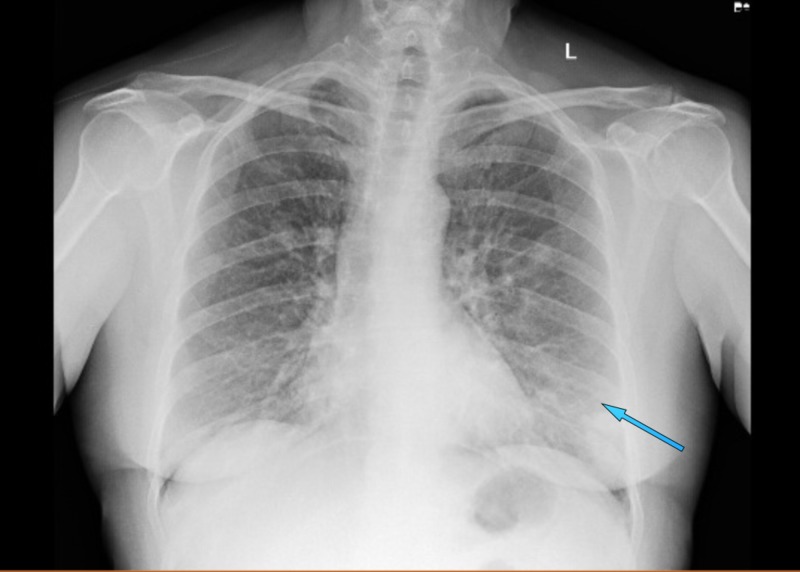
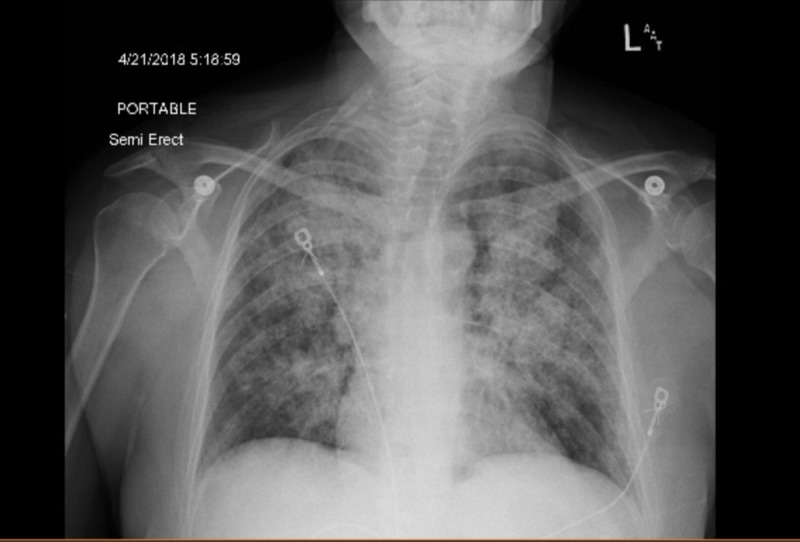
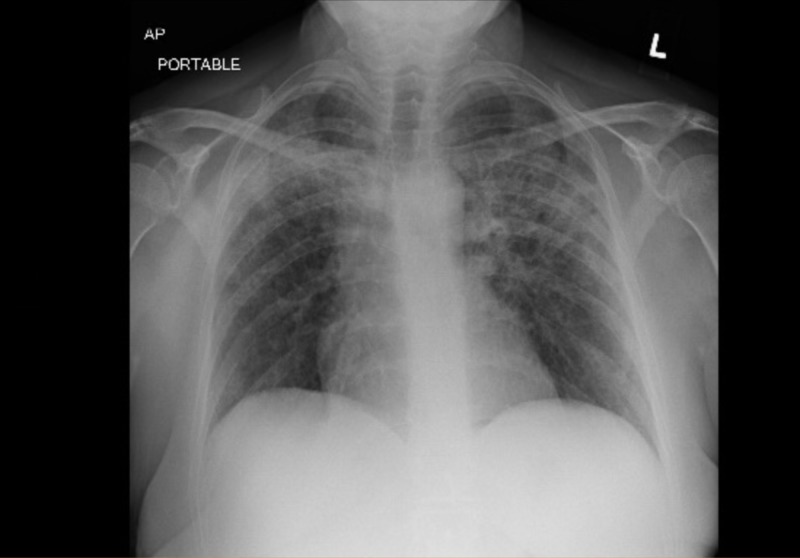
A previously healthy, 59-year-old female presented with respiratory distress and dry cough for one week. Outpatient radiographic findings were suspicious for basilar pneumonia. Empiric broad-spectrum antibiotics were started; however, she continued to deteriorate rapidly over the next 48 hours, with chest X-ray showing diffuse bilateral multifocal airspace opacities consistent with acute respiratory distress syndrome. The ratio of partial pressure arterial oxygen to fraction of inspired oxygen was 225. She required a high-flow nasal cannula with a subsequent upgrade to the intensive care unit (ICU) for increasing respiratory compromise. Polymerase chain reaction (PCR) of the nasopharyngeal aspirate confirmed human rhinovirus (hRV). High-dose intravenous steroids were started as adjuvant therapy due to the rapid decline, presumably due to a dysregulated host immune response. After 10 days in the ICU, she was discharged with tiotropium and steroid taper. Historically thought to be limited to pandemic viruses, improved detection of hRV has led to its implication in serious respiratory disorders extending beyond the oropharynx in immunocompetent hosts. We report a rare case of hRV-induced severe acute respiratory distress syndrome (ARDS) in an immunocompetent host. This case highlights the need for the early identification of viral culprits, which can minimize the use of invasive diagnostic testing and antibiotic usage.
Keywords: acute respiratory distress syndrome (ards); immunocompetent host; rhinovirus.
Conflict of interest statement
The authors have declared that no competing interests exist.
Figures
References
-
- Malmström K, Pitkäranta Anne, Carpen O, et al. J Allergy Clin Immunol. Vol. 118. Tari: Lindahl, Harry & Haahtela; 2006. Human rhinovirus in bronchial epithelium of infants with recurrent respiratory symptoms; pp. 591–596. - PubMed
Publication types
LinkOut - more resources
Full Text Sources