Cognitive fatigue and cortical-striatal network in old age
- PMID: 30995207
- PMCID: PMC6519999
- DOI: 10.18632/aging.101915
Cognitive fatigue and cortical-striatal network in old age
Abstract
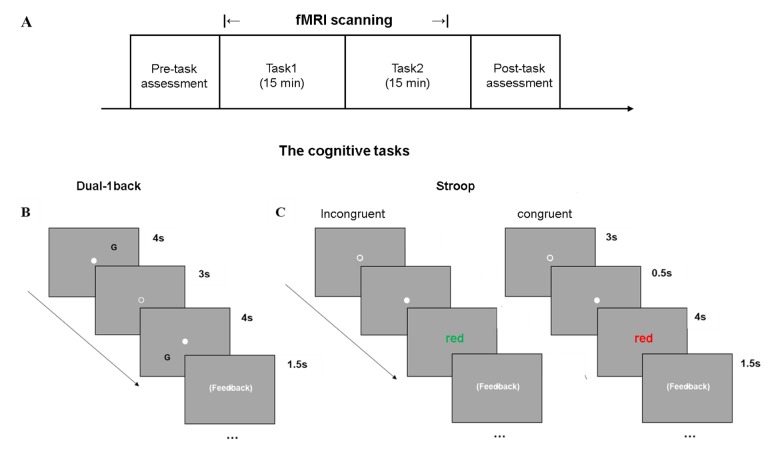
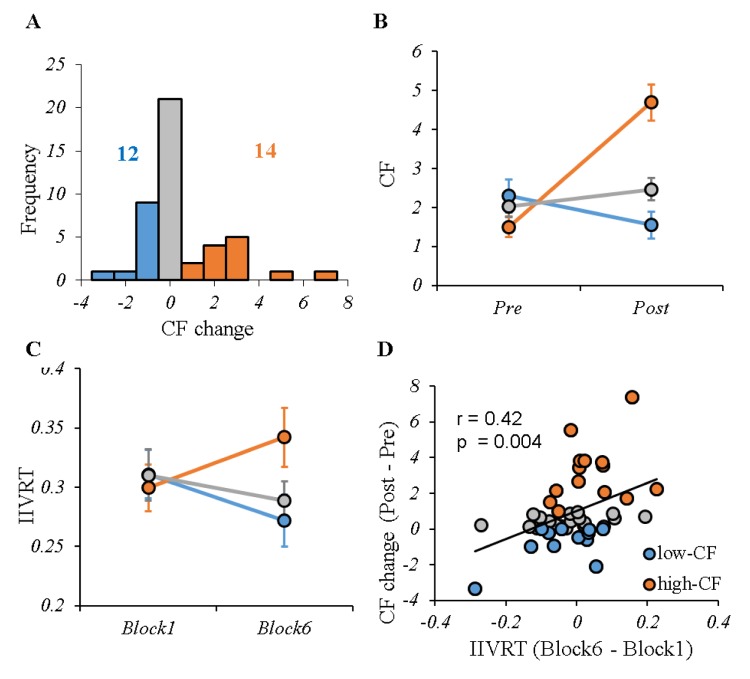
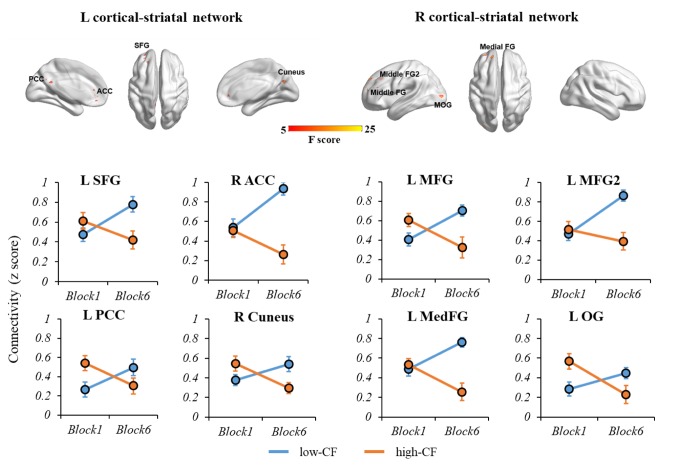
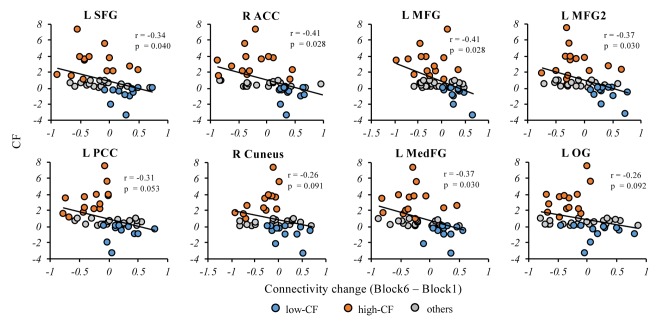
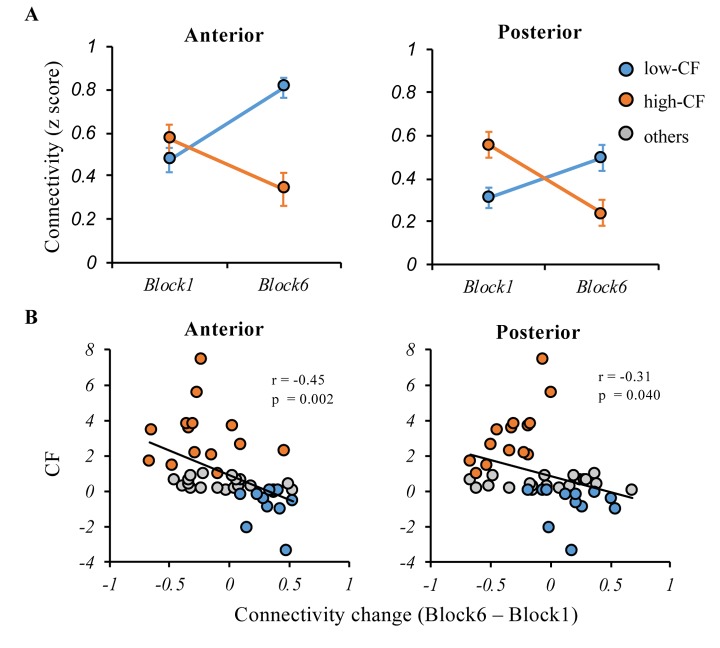
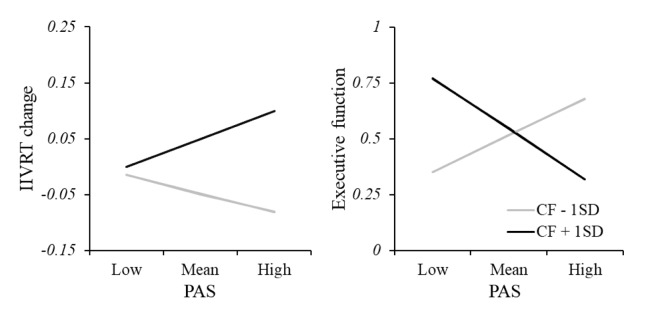
Cognitive fatigue (CF) is among the most common and disturbing aging symptoms, and substantially interferes with activities demanding sustained mental effort. Here we examined the relationship between the cortical-striatal network and CF (assessed by the 18-item visual analogue scale) when a group of cognitively and physically healthy older adults participated in a 30-minute cognitively fatiguing task-related fMRI experiment. We also explored whether CF would interfere with the "Posterior-Anterior Shifting in Aging" (PASA) phenomenon, an aging-associated neural reliance on frontal regions to support cognitive capacity. We revealed that decreased connectivity strength of the cortical-striatal network over the course of the task was related to higher CF. Correlation between CF and the cortical-striatal network was more robust in anterior relative to posterior components. Moreover, a positive relationship between reliance on the anterior part of the cortical-striatal network and cognitive performance only existed among older adults experiencing low CF. These findings suggest a crucial role of the cortical-striatal network, especially the anterior component, in linking to CF. The PASA phenomenon may only be applicable to older adults without vulnerability to CF.
Keywords: Posterior-Anterior Shifting in Aging; cognitive fatigue; functional MRI; functional connectivity; striatum.
Conflict of interest statement
Figures
References
Publication types
MeSH terms
Grants and funding
LinkOut - more resources
Full Text Sources
Medical